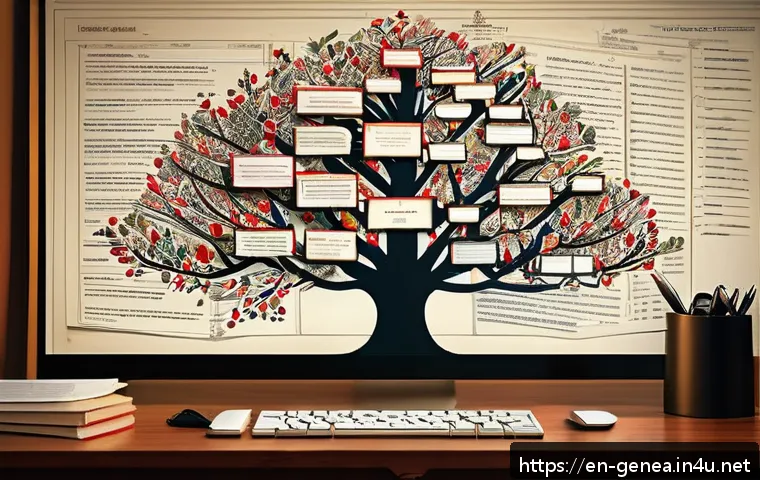
In today’s world, where tracing family roots has become more accessible than ever, professional genealogy services are gaining remarkable attention. Whether you’re curious about long-lost relatives or eager to uncover the stories behind your surname, expert family tree makers can transform scattered records into vivid ancestral narratives.
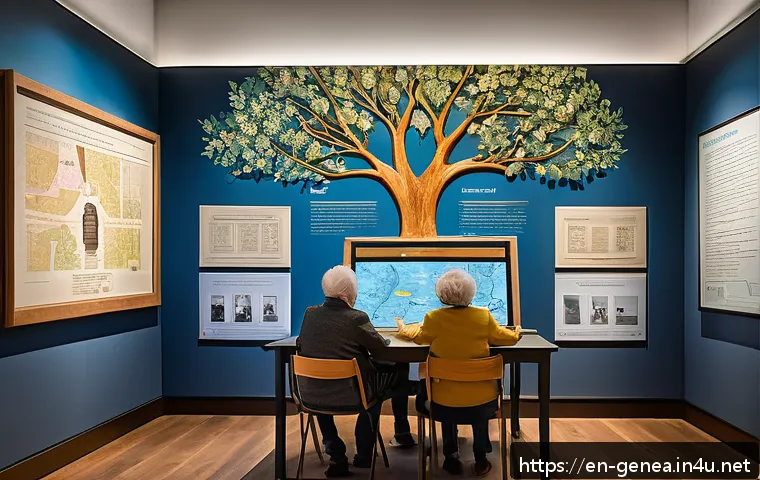
As DNA testing and historical databases evolve rapidly, these specialists bring a unique blend of technology and personal touch to the search. If you’ve ever wondered how your heritage connects to broader history, this deep dive into genealogy services will shed light on the fascinating journey of discovery.
Join me as we explore how professionals turn your family history into a living, breathing story.
Unlocking the Power of Historical Records
Exploring Archives Beyond the Basics
Genealogy experts dive deep into a vast ocean of historical documents, far beyond what the average person might find online. They scour census records, birth and death certificates, military files, immigration logs, and even obscure local newspapers.
What’s fascinating is how these specialists piece together seemingly unrelated fragments into a coherent story. For instance, a simple mention in a 19th-century newspaper might reveal a family’s migration path or a forgotten occupation that shaped their community role.
The expertise lies not just in locating these documents but interpreting them accurately, often deciphering old handwriting or translating foreign languages.
This level of detail transforms dry data into vivid snapshots of your ancestors’ lives.
The Challenge of Incomplete or Conflicting Information
One thing I’ve noticed when working with genealogy professionals is how they handle gaps or contradictions in records with patience and creativity. Sometimes, records contradict each other or are incomplete due to lost archives or clerical errors.
These moments require critical thinking and cross-referencing multiple sources to build the most plausible family narrative. For example, a birth date might vary between documents, but by examining surrounding events like marriages or land purchases, genealogists can zero in on the most likely timeline.
This detective work is what makes professional genealogy a truly dynamic process, rather than a straightforward data retrieval.
The Role of Local and Regional Records
Local records often hold the key to unlocking family mysteries that national databases can’t solve. City directories, church registries, school enrollment lists, and property deeds can fill in crucial blanks.
What’s striking is how these sources provide a more personal glimpse into your ancestors’ daily lives — their social standing, neighborhood, and community involvement.
Genealogists often visit local archives or collaborate with regional historians to access these materials. This hands-on approach ensures a richer, more textured family history that connects you not just to names and dates but to real places and experiences.
Integrating DNA Testing with Traditional Genealogy
How DNA Enhances Family Tree Accuracy
DNA testing has revolutionized genealogy by adding a scientific layer to traditional research. Experts use DNA results to confirm or refute paper trails, identify unknown relatives, and trace ethnic origins with remarkable precision.
I’ve found it incredible how a single DNA match can open doors to previously unknown branches of a family tree, sometimes leading to living relatives halfway across the world.
The combination of genetic data and historical records makes the family story not only richer but also more reliable. It’s like having a genetic fingerprint that corroborates the documented evidence.
Understanding Different Types of DNA Tests
There are several types of DNA tests that genealogists rely on, each serving a distinct purpose. Autosomal DNA tests are the most common, providing information on relatives from both maternal and paternal lines up to about five generations back.
Y-DNA tests trace the direct paternal line, useful for surname studies, while mitochondrial DNA tests follow the maternal line. Professionals often recommend a strategic combination depending on your research goals.
Knowing which test to take and how to interpret the results is where expert guidance becomes invaluable, especially for those new to genetic genealogy.
Privacy and Ethical Considerations in DNA Research
A point I’ve come across repeatedly is the importance of privacy and ethics in DNA testing. Sharing genetic data involves sensitive personal information, and reputable genealogy services take this seriously.
They ensure secure data handling, informed consent, and transparency about how DNA results are used or shared. Moreover, professionals counsel clients on the potential emotional impact of unexpected discoveries, such as unknown parentage or family secrets.
This thoughtful approach fosters trust and helps users navigate the sometimes complex emotional landscape of genetic genealogy.
Customizing Your Family History Experience
Tailoring Research to Personal Interests
One of the best aspects of working with genealogy professionals is how they customize the research to what matters most to you. Whether you’re fascinated by military service, immigration stories, or the evolution of your family’s surname, experts shape their investigations accordingly.
I’ve seen clients receive detailed reports focusing on specific themes, like tracing ancestors involved in historical events or exploring cultural traditions.
This personalized angle makes the family history feel alive and relevant, rather than just a list of names and dates.
Creative Presentation of Family Trees
Beyond gathering data, genealogy specialists excel at presenting family histories in engaging formats. From beautifully illustrated family trees to interactive digital timelines and multimedia scrapbooks, the options are vast.
These creative presentations can incorporate photos, scanned documents, maps, and even audio recordings, making the story accessible and enjoyable for all generations.
I’ve noticed how such presentations encourage families to connect and share stories, turning genealogy into a shared experience rather than a solitary pursuit.
Ongoing Support and Updates
Family history research doesn’t have to end with a final report. Many professional services offer ongoing support, updating your family tree as new information emerges or as you take further DNA tests.
This continuous relationship helps keep your family story current and can spark new discoveries down the line. Having a trusted expert by your side makes genealogy feel like a journey rather than a one-time project, which is incredibly rewarding.
Tools and Technology Behind the Scenes
Cutting-Edge Software for Data Management
Genealogy professionals harness powerful software tools designed to organize, analyze, and visualize complex family data. These platforms allow the integration of various records, DNA results, and media files in one place.
What’s impressive is how these tools also help detect inconsistencies or suggest potential matches, streamlining the research process. I’ve personally noticed that professionals who invest in the latest technology can deliver more thorough and accurate results faster than ever before.

Online Databases and Collaborative Networks
The explosion of online genealogy databases has transformed how professionals access information. They tap into massive collections like Ancestry, FamilySearch, and MyHeritage, plus countless local archives digitized for global access.
Beyond databases, collaboration platforms connect genealogists worldwide, enabling the sharing of insights and discoveries. This network effect accelerates research and often leads to unexpected breakthroughs that would be impossible alone.
Balancing Technology with Human Insight
Despite all the tech advances, the human element remains crucial. Professional genealogists bring intuition, cultural knowledge, and critical thinking that algorithms can’t replicate.
They ask the right questions, interpret nuances, and piece together stories in a way that technology alone cannot. This balance between digital tools and personal expertise is what makes professional genealogy truly special and effective.
Evaluating Costs and Value in Genealogy Services
Understanding Different Pricing Models
Genealogy services come with varied pricing structures, and it’s important to know what you’re getting for your investment. Some professionals charge hourly rates, while others offer package deals based on the depth of research or deliverables.
There are also subscription-based platforms that provide access to databases and tools for self-directed research. From my experience, transparent pricing combined with clear deliverables leads to better satisfaction and less frustration.
What Influences the Cost of Research
Several factors impact the cost, including the geographic scope of research, complexity of the family tree, and the need for on-site archival visits. For example, tracing ancestors across multiple countries or through rare records often requires more time and resources.
Customization level and the inclusion of DNA analysis also add to the overall price. I’ve found that investing a bit more upfront in professional expertise often saves time and yields richer results than trying to navigate it alone.
Assessing Return on Investment
While genealogy may not offer a financial return in the traditional sense, the emotional and educational value can be profound. Discovering your roots often brings a sense of identity, belonging, and connection that money can’t buy.
Additionally, professionally crafted family histories can become treasured heirlooms passed down through generations. When choosing a service, consider how much the knowledge and legacy are worth to you personally, as this perspective often justifies the expense.
| Service Aspect | Description | Typical Cost Range | Value Added |
|---|---|---|---|
| Basic Ancestry Research | Online database searches and document retrieval | $200 – $500 | Foundation for family tree, accessible information |
| DNA Testing & Analysis | Genetic testing with professional interpretation | $100 – $400 | Confirms relationships, ethnic origins, unknown relatives |
| Customized Reports & Presentations | Detailed written reports, multimedia family trees | $300 – $1000+ | Engaging, personalized storytelling, heirloom quality |
| On-site Archival Research | Visits to local archives, translation, and transcription | $500 – $2000+ | Access to rare records, deeper historical insights |
| Ongoing Support & Updates | Periodic updates, additional research upon request | Subscription or hourly rates | Keeps family history current, continuous discovery |
Building Connections Across Generations
Bridging Past and Present Through Stories
What truly struck me about professional genealogy is how it bridges generations by transforming names on a page into vivid, relatable stories. By uncovering the struggles, triumphs, and everyday moments of your ancestors, you gain a deeper understanding of your own identity.
These narratives often highlight shared values, cultural traditions, and historical events that shaped your family’s path. This process doesn’t just connect you to the past but also enriches your present sense of self.
Encouraging Family Engagement and Dialogue
Professionals often encourage involving living family members in the research process. Sharing discoveries can spark conversations, revive forgotten memories, and even lead to new contributions of photos or documents.
I’ve seen families come together around these stories, creating a sense of unity and pride. This social aspect makes genealogy a living practice rather than a static record, breathing life into your family heritage.
Preserving Your Legacy for Future Generations
Finally, professional genealogy ensures that your family history is preserved in durable formats that future generations can access and appreciate. Whether through printed books, digital archives, or online family portals, these records become a lasting legacy.
Knowing that your story will endure offers a profound sense of continuity and belonging. This long-term perspective is one of the most rewarding aspects of investing in expert genealogy services.
In Conclusion
Exploring your family history with professional genealogy services opens doors to rich, meaningful stories that go beyond names and dates. Combining traditional records with DNA testing creates a more complete and accurate family narrative. With expert guidance, your heritage becomes a living connection across generations, offering deeper insight into who you are and where you come from.
Helpful Tips to Keep in Mind
1. Always verify information from multiple sources to build a reliable family history.
2. Choose the right DNA test based on your specific genealogical goals for better results.
3. Protect your privacy by understanding how your genetic data will be used and shared.
4. Consider personalized research themes to make your family story more engaging and relevant.
5. Use professional services that offer ongoing support to keep your family tree updated and alive.
Key Takeaways
Genealogy research is a dynamic blend of technology and human insight, requiring patience and critical thinking to navigate incomplete or conflicting records. Integrating DNA testing enhances accuracy but also brings important ethical considerations. Investing in professional expertise often yields richer, more meaningful results that connect past generations with the present and preserve your legacy for the future.
Frequently Asked Questions (FAQ) 📖
Q: uestions about Professional Genealogy ServicesQ1: How do professional genealogy services differ from using DIY ancestry websites?
A: While DIY ancestry websites offer access to vast databases and DNA testing kits, professional genealogy services provide personalized expertise that goes beyond just data collection.
Experts analyze records in-depth, cross-reference multiple sources, and interpret historical contexts to build a more accurate and meaningful family tree.
From my experience, professionals can uncover hidden connections and verify information that might be overlooked by automated systems, making the family history richer and more reliable.
Q: Can genealogy professionals help if I have limited information about my ancestors?
A: Absolutely. One of the key strengths of professional genealogists is their ability to start with minimal details and gradually piece together your family story.
Using advanced research techniques, access to exclusive archives, and sometimes even international records, they trace lineage and fill in gaps that casual researchers might find challenging.
I’ve seen cases where just a name and a vague location led to discovering entire branches of a family previously unknown, which was truly eye-opening for the clients involved.
Q: How do DN
A: tests integrate with professional genealogy research? A3: DNA testing is a powerful tool that complements traditional genealogy research. Professionals don’t just hand over raw DNA results; they interpret the genetic data alongside historical records to confirm relationships and uncover ethnic origins.
They can identify genetic matches and suggest possible connections that require further investigation. From what I’ve observed, combining DNA insights with documented evidence creates a compelling, well-rounded family history that feels both scientific and deeply personal.