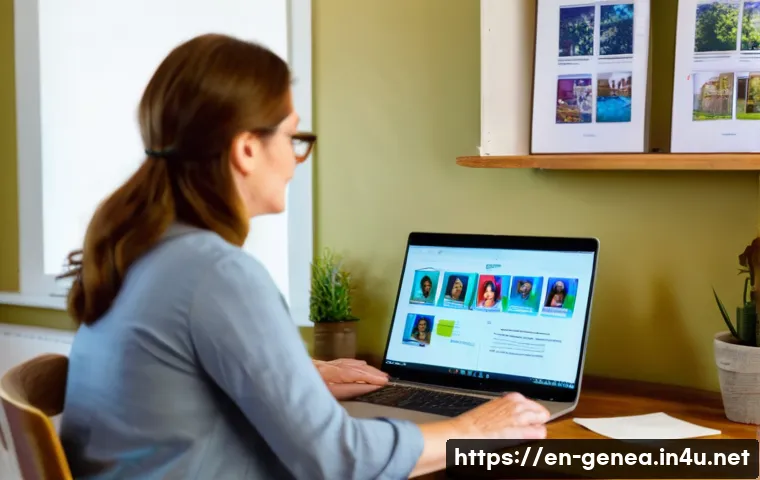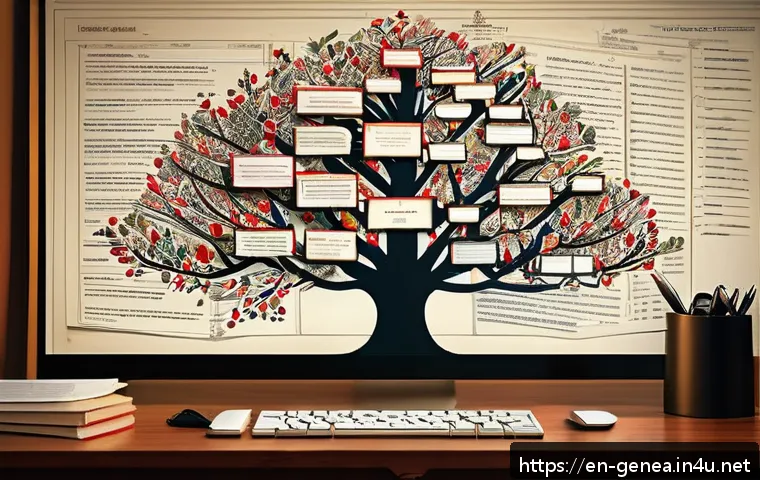
In today’s world, where tracing family roots has become a popular hobby, the rise of fake genealogy records poses a hidden threat to our sense of identity.
As more people turn to online databases and DNA tests to uncover their heritage, forged family trees are muddying the waters, leading to confusion and mistrust.
I recently came across stories where entire lineages were fabricated, affecting not just personal histories but also cultural connections. This unsettling trend challenges how we perceive our past and raises important questions about authenticity.
Join me as we delve into the dark side of genealogy and explore how these deceptions impact families worldwide.
The Complex Web of Forged Family Trees
How Fabrications Take Root Online
Many people start their family history journey on popular genealogy websites, only to unknowingly encounter fabricated data. These falsified records often begin with well-meaning individuals who add unverified information to fill gaps.
However, once a fake lineage gains traction, it spreads rapidly through public family trees and DNA matching services. I’ve seen firsthand how a simple guess or a deliberate invention gets copied by countless users, becoming accepted as truth.
The ease of editing and sharing online makes it almost impossible to trace the original source of these fabrications, blurring the line between fact and fiction.
The Role of DNA Testing in Misleading Lineages
DNA tests have revolutionized genealogy, but they’re not foolproof. Many people expect a clear-cut answer about their heritage, but DNA matches can be misinterpreted or exaggerated.
For example, casual cousins or distant relatives might be mistaken for closer family members, prompting users to weave inaccurate stories around these connections.
I recall a case where a client believed she descended from a famous historical figure based solely on a DNA match with a distant cousin, only to discover the connection was far more tenuous than the test suggested.
This confusion can lead to entire branches of a family tree being invented or overstated, distorting real ancestry.
The Emotional Toll of Discovering a Fake Heritage
Finding out that your family tree contains falsehoods isn’t just a factual issue—it’s deeply personal. People invest time, money, and emotion into uncovering their roots.
When those roots turn out to be fabricated, it can cause feelings of betrayal, loss, and identity crisis. I’ve spoken with individuals who felt their sense of self was shaken after learning their family stories were built on shaky ground.
Some even question their cultural or ethnic identity, which can affect relationships within families and communities. This emotional upheaval highlights why accuracy in genealogy is so important beyond just historical correctness.
Detecting and Preventing Genealogy Fraud
Critical Evaluation of Sources
One of the best ways to avoid falling victim to fake genealogy is to critically assess every source. Official documents like birth certificates, wills, and census records provide reliable evidence, whereas user-submitted family trees require extra scrutiny.
When I research my own family history, I always cross-check each fact with multiple primary sources. This practice helps identify inconsistencies and prevents reliance on hearsay or assumptions.
Genealogy forums and expert communities can also offer guidance on verifying dubious claims, making collective knowledge a powerful tool against forgery.
Technological Tools for Verification
Advances in technology have introduced software and platforms designed to detect anomalies and inconsistencies in family trees. Some tools compare dates and locations to flag impossible relationships or duplicated individuals.
Others analyze DNA data for unexpected patterns that suggest errors or fraud. From personal experience, using these verification programs has been a game-changer, saving hours of manual checking and increasing confidence in the results.
However, it’s important to remember that no tool is perfect—human judgment remains essential in interpreting the data accurately.
Encouraging Transparency and Documentation
Transparency is key in genealogy research. Sharing detailed source citations and documenting the reasoning behind family connections helps others evaluate the validity of a tree.
I make it a habit to keep meticulous notes and provide links or copies of original records whenever I share my findings. This openness not only builds trust but also discourages others from adding unverified or fabricated information.
Communities that emphasize documentation tend to have higher-quality genealogical data, benefiting everyone involved.
Impact of Forged Genealogies on Cultural Identity
Distortion of Ethnic and Cultural Heritage
Fake genealogies can warp cultural narratives by inserting individuals or groups into family trees without historical basis. This distortion affects how communities perceive their origins and traditions.
For instance, claiming descent from a particular ethnic group or historical figure can be tempting for personal pride or social status but ultimately undermines authentic heritage.
I’ve witnessed how such false claims create tension within cultural groups, where some members feel their identity is being misappropriated or diluted.
Complications in Heritage-Based Rights and Benefits
Genealogical accuracy isn’t just sentimental—it can have legal and social implications. Many indigenous communities and nations require documented lineage for citizenship, land rights, or cultural participation.
When forged records infiltrate these claims, they can complicate or invalidate rightful entitlements. Through conversations with genealogists working with indigenous clients, I learned how crucial it is to maintain integrity in records to protect these communities’ rights and prevent exploitation.
Challenges for Historical and Academic Research
Historians and scholars often rely on genealogical data to understand demographic trends, migration patterns, and social structures. Fake family trees introduce errors that can mislead research and produce flawed conclusions.
I recall reading studies where inaccurate genealogies skewed population genetics models, highlighting how individual fabrications can ripple into broader academic fields.
This underscores the need for rigorous vetting of genealogical sources before they enter scholarly work.
Common Patterns in Genealogy Fabrication
Motivations Behind Creating False Records
People fabricate genealogies for various reasons—some to fill gaps in their family history, others to claim noble or famous ancestors, and some for financial gain.
I once encountered a case where someone created an elaborate lineage to qualify for a heritage-based scholarship. Understanding these motivations helps genealogists approach suspicious data with a critical eye and recognize when stories might be too good to be true.
Recurring Signs of Fabricated Lineages
Certain red flags often indicate fake genealogies: sudden leaps in generations without documentation, overuse of unverifiable sources, and conflicting dates or places.
In my research, I’ve learned to spot these warning signs early by looking for inconsistencies and checking whether the information aligns with known historical facts.
Awareness of these patterns is crucial to maintaining accuracy.
Role of Community Vigilance and Reporting

Genealogy communities play a vital role in policing the spread of false information. Members who report suspicious entries or offer corrections help maintain data integrity.
I’ve participated in online forums where collaborative efforts have identified and corrected forged records, demonstrating how collective vigilance can combat misinformation effectively.
The Future of Genealogy: Balancing Technology and Tradition
Integration of AI with Human Expertise
Artificial intelligence tools are becoming more sophisticated in analyzing genealogical data, but they still require human oversight. From my experience using AI-assisted platforms, I see them as valuable aids rather than replacements.
The blend of technology’s speed with human judgment’s nuance offers the best chance to detect and correct false information.
Education and Awareness for New Researchers
As genealogy grows in popularity, educating newcomers about research best practices is essential. Workshops, tutorials, and accessible guides can help prevent the unintentional spread of fabrications.
I’ve found that sharing my own trial-and-error experiences helps others avoid common mistakes and approach their family history with healthy skepticism.
Strengthening Ethical Standards in Genealogy
The genealogy community is increasingly emphasizing ethics, urging transparency, respect for privacy, and accuracy. I support these initiatives wholeheartedly because they protect the integrity of family histories and foster trust among researchers.
Upholding these standards is critical as genealogy continues to evolve in the digital age.
| Aspect | Impact of Forged Genealogies | Preventive Measures |
|---|---|---|
| Personal Identity | Confusion, emotional distress, loss of cultural connection | Cross-check sources, document findings, maintain transparency |
| Community Heritage | Misappropriation of cultural identity, social tension | Respect cultural protocols, verify claims with community input |
| Legal Rights | Invalid claims to land, citizenship, or benefits | Use official records, collaborate with legal experts |
| Academic Research | Skewed historical data, flawed demographic studies | Peer review, rigorous source validation |
| Technology Usage | Rapid spread of misinformation if unchecked | Combine AI tools with expert analysis, community oversight |
Real-Life Stories Unveiling the Consequences of False Genealogy
When a Family Reunion Unravels a Lie
I recall a story shared by a genealogist friend whose client discovered discrepancies during a large family reunion. Some relatives produced documents that didn’t match the established family narrative, leading to heated discussions and emotional confrontations.
The fallout lasted months, with some family members questioning their place in the lineage and others doubting the entire family history’s validity.
Uncovering Hidden Truths Through Persistent Research
On the flip side, persistence can reveal truths behind forgeries. I once helped a client who had been misled by a fabricated tree for years. By patiently digging through archives and connecting with distant relatives, we uncovered the authentic lineage, restoring the client’s confidence and sense of belonging.
This experience reminded me that even the most tangled genealogical webs can be untangled with dedication.
The Role of Professional Genealogists in Restoring Accuracy
Professional genealogists serve as detectives and educators, guiding families through the maze of falsehoods. I’ve worked alongside experts who specialize in exposing forged records and teaching families how to avoid future pitfalls.
Their knowledge and experience are invaluable, especially for those dealing with complex or suspicious ancestries.
Ethical Responsibilities in Sharing Genealogical Findings
Respecting Privacy and Sensitivity
Genealogy often involves living relatives whose privacy must be respected. Sharing sensitive information or unverified claims publicly can cause harm.
I’ve learned to approach such matters delicately, always seeking consent before posting or discussing family details online. This practice builds trust and prevents unnecessary conflicts.
Avoiding Sensationalism in Storytelling
The temptation to embellish family stories to make them more compelling is strong but dangerous. Exaggeration can lead to fabrications becoming accepted as fact.
I strive to present my findings honestly, acknowledging uncertainties and avoiding speculation. This transparent approach helps maintain credibility and fosters genuine interest.
Encouraging Responsible Use of Genealogical Data
Genealogy platforms and researchers share a responsibility to promote accurate and ethical use of data. I advocate for clear guidelines and user education to minimize the spread of false information.
Encouraging accountability and respect for historical truth benefits everyone involved in preserving family legacies.
In Closing
Understanding the complexities behind forged family trees is crucial for anyone exploring their ancestry. By approaching genealogy with care and skepticism, we protect both our personal histories and cultural legacies. Remember, accurate research not only honors the past but also preserves a truthful foundation for future generations.
Helpful Information to Keep in Mind
1. Always verify genealogical data with official records whenever possible to avoid relying on unverified sources.
2. Use DNA testing as a tool, but interpret results carefully and in conjunction with documented evidence.
3. Maintain detailed documentation and transparent source citations to build trust and credibility in your research.
4. Engage with genealogy communities for support, advice, and collaborative fact-checking to catch potential fabrications early.
5. Stay informed about ethical standards and respect privacy when sharing family history to foster a responsible research environment.
Key Takeaways
Genealogical accuracy is essential not only for personal identity but also for cultural integrity, legal rights, and academic research. Critical evaluation of sources, combined with technological tools and community vigilance, helps prevent the spread of false information. Ethical responsibility and transparency are vital in preserving the trustworthiness of family histories as genealogy continues to evolve in the digital age.
Frequently Asked Questions (FAQ) 📖
Q: uestions about Fake Genealogy RecordsQ1: How can I tell if a genealogy record is fake or unreliable?
A: Spotting fake genealogy records can be tricky, but there are some red flags to watch for. Inconsistencies in dates, places, or names that don’t match historical facts often indicate errors or fabrications.
If a record lacks proper sources or references, that’s another warning sign. Personally, I found that cross-checking information with multiple reputable databases and original documents like birth certificates or census records helped me avoid being misled.
Also, be cautious with family trees that seem too perfect or have connections to famous ancestors without solid proof—these are often embellished or invented.
Q: What impact do fake genealogy records have on families and culture?
A: Fake genealogy records can create real emotional and cultural confusion. I’ve come across cases where families believed they had a certain heritage, only to find out later it was fabricated.
This can disrupt identity, cause mistrust among relatives, and even affect participation in cultural or community activities tied to ancestry. On a broader scale, these false records can distort historical research and cultural understanding, making it harder for communities to preserve accurate heritage stories.
It’s like building a family story on shaky ground—it just doesn’t hold up and can hurt people’s sense of belonging.
Q: How can I protect myself from being misled by forged family trees online?
A: Protecting yourself starts with being a bit skeptical and doing your homework. When using online genealogy platforms, always verify data through primary sources whenever possible.
I recommend reaching out to professional genealogists or local archives if you hit confusing or suspicious information. Joining genealogy forums and communities can also help, as experienced members often share tips and warnings about dubious records.
Finally, treat DNA results as clues rather than definitive answers—combine them with solid documentation to build a trustworthy family history. This approach saved me from many false leads and made my research more rewarding.