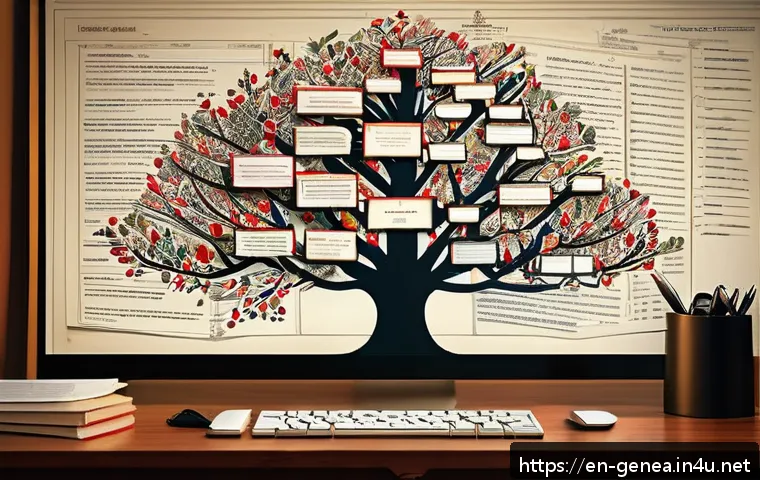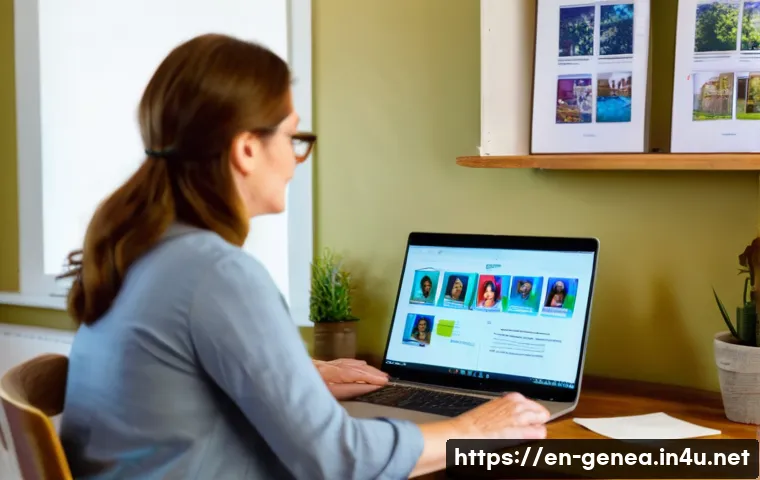
Have you ever wondered what hidden stories your family tree might hold? With the rapid advancements in DNA technology, genealogy research has entered a thrilling new era.
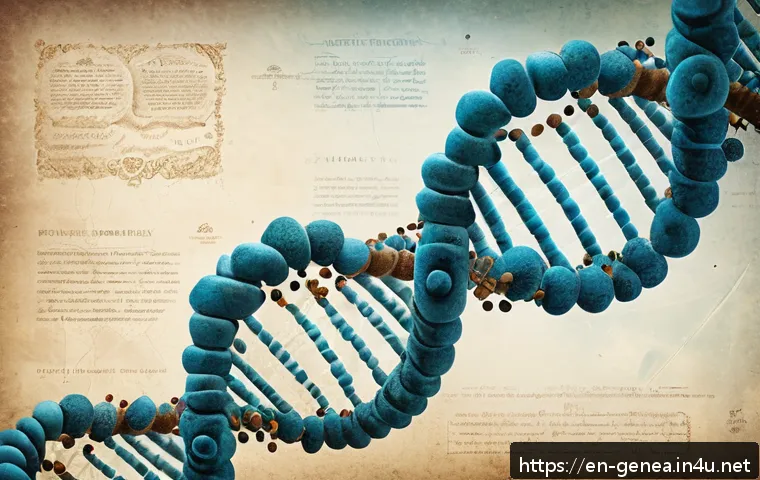
More than ever, people are unlocking long-lost family secrets and uncovering connections that traditional records alone could never reveal. Whether it’s discovering unknown relatives or tracing ancestral origins, genetic testing is transforming how we understand our heritage.
In this post, I’ll share how DNA analysis is reshaping family history research and why now is the perfect time to dive into your own genetic story. Stick around—you might just uncover something surprising about your past!
Revealing Family Connections Beyond Paper Trails
Tracing Roots Through Genetic Clues
DNA testing opens doors to ancestral information that traditional documents might miss. I remember when I first sent off my saliva sample—it felt like sending a message in a bottle to the past.
Unlike birth certificates or census records that can sometimes be incomplete or lost, genetic data provides a direct link to your biological lineage. This means you can uncover relationships that have been hidden by adoption, name changes, or simply missing paperwork.
It’s fascinating how a small sample can reveal connections to distant cousins or ancestral homelands you never knew existed.
Bridging Gaps Left by History
Historical events such as wars, migrations, and displacements often disrupted family records. Genetic testing acts like a modern-day time machine, filling in those gaps.
For example, many users find unexpected ethnic backgrounds or discover that their family story includes migrations they were unaware of. In my own experience, a DNA test helped clarify a branch of my family that had little documentation due to displacement during the early 1900s.
It’s a powerful reminder that history isn’t just in books—it’s embedded in our very cells.
How Different Tests Complement Each Other
There are various types of DNA tests, each revealing unique aspects of your heritage. Autosomal tests are great for recent ancestry, typically covering the last five to seven generations.
Y-DNA and mitochondrial DNA tests, on the other hand, trace paternal and maternal lines respectively, going much further back. Combining these tests can paint a fuller picture of your family tree and even help identify the migration patterns of your ancestors.
When I combined results from different testing types, it was like assembling a puzzle with pieces I didn’t even know I had.
Unlocking Stories Hidden in Ethnic Origins
Discovering Unexpected Heritage
One of the most thrilling moments in DNA research is learning about ethnic backgrounds you might not have suspected. It’s common for people to believe they come from a homogeneous background only to find surprising diversity.
When I got my ethnicity estimate, it revealed a blend of regions that didn’t match my family’s traditional narrative, including traces from areas I had never even heard of.
This kind of insight can spark curiosity and a desire to learn more about cultures that shaped your ancestors.
Understanding the Science Behind Ethnicity Estimates
Ethnicity estimates are generated by comparing your DNA to reference populations worldwide. These algorithms look for specific genetic markers that are more common in certain groups.
However, it’s important to remember that these results are estimates based on available data, which continues to improve over time. From my perspective, ethnicity reports are like a map with evolving borders—they give you a general sense of direction, but further research and future updates may refine the details.
Using Ethnicity Information to Explore Culture
Once you know your ethnic makeup, it can open doors to exploring traditions, languages, and histories connected to those regions. For me, learning about my Eastern European roots inspired me to try traditional recipes and connect with cultural organizations.
It’s a way to bring your family history to life beyond just names and dates, creating a richer, more personal connection to your ancestors’ experiences.
Finding Living Relatives and Building New Relationships
How DNA Matches Connect You to People Today
One of the most unique aspects of genetic genealogy is the ability to connect with living relatives you didn’t know existed. Testing companies often provide match lists showing people who share significant portions of DNA with you.
I’ve personally reached out to distant cousins through these platforms and have been amazed at how welcoming and eager they were to share family stories.
These connections can turn into meaningful relationships that bring the past into the present.
Tips for Reaching Out to DNA Matches
Approaching unknown relatives can feel intimidating, but a friendly, open message usually works best. When I first contacted a DNA match, I introduced myself and shared what I knew about our potential shared ancestry.
Being respectful of privacy is crucial—some people may not want to engage, and that’s okay. But many are excited to collaborate, exchange family photos, or even arrange reunions.
It’s incredible how DNA can act as a bridge across generations and geography.
Privacy Considerations When Sharing Genetic Information
While the benefits of connecting through DNA are significant, it’s important to be cautious about sharing sensitive information. Genetic data contains deeply personal information that could impact you and your relatives.
I always recommend reviewing a company’s privacy policies carefully and controlling what you share publicly. In my experience, balancing openness with discretion has helped me enjoy the benefits of genetic genealogy without compromising privacy.
Integrating DNA Results with Traditional Genealogy
Combining Genetic Data with Historical Records
DNA testing should be seen as a complement, not a replacement, for traditional genealogy research. Once you get your results, cross-referencing them with birth, marriage, and death records can validate your discoveries.
I found that DNA matches often gave me clues to look deeper into family archives or local histories, turning vague leads into solid family connections.
This two-pronged approach makes family history research more robust and accurate.
Using Online Tools to Organize Your Family Tree
There are many platforms that allow you to build family trees and integrate DNA results seamlessly. Tools like Ancestry, MyHeritage, and FamilySearch have user-friendly interfaces that help organize information and connect genetic data with historical documents.
I personally rely on these platforms to keep track of my findings, add photos, and collaborate with relatives. This digital organization has made my family history journey smoother and more engaging.
Challenges and Pitfalls to Watch For

Genealogy research can sometimes lead to dead ends or conflicting information. DNA results might suggest relationships that don’t fit with documented records, requiring patience and further investigation.
I’ve encountered situations where oral family histories didn’t match genetic evidence, which can be frustrating but also an opportunity to uncover new truths.
Staying open-minded and persistent is key to navigating these challenges successfully.
Choosing the Right DNA Test for Your Goals
Different Tests for Different Needs
Depending on what you want to discover, certain tests might suit you better. For instance, if your goal is to find living relatives, autosomal DNA testing is the most effective.
If you want to trace direct maternal or paternal lines, mitochondrial or Y-DNA tests are better. When I first started, I opted for an autosomal test to get a broad overview, then later added Y-DNA testing to explore my father’s lineage more deeply.
Knowing your objectives helps you choose wisely.
Cost and Turnaround Time Considerations
DNA testing prices vary widely, and so does the time it takes to get results. Some companies offer quick processing within a few weeks, while others may take longer.
I found that balancing price with the depth of data and customer support made a big difference. Sometimes it’s worth paying a bit more for a company with better tools or a larger database, increasing the chances of meaningful matches.
Subscription Services and Additional Features
Many testing companies offer subscription plans that unlock extra features like enhanced ethnicity updates, detailed health reports, or access to exclusive databases.
I signed up for a subscription after my initial test because I wanted access to ongoing updates and more in-depth analysis. These services can enrich your experience, but it’s important to weigh the ongoing costs against the benefits you expect to gain.
Comparing Popular DNA Testing Companies
Market Leaders and Their Strengths
Several companies dominate the consumer DNA testing space, each with unique advantages. AncestryDNA boasts the largest user database, making it great for matching relatives.
23andMe offers both ancestry and health insights, appealing to those interested in wellness alongside genealogy. MyHeritage excels in international records and provides robust tools for building family trees.
Having tried a couple myself, I can say that choosing the right one depends on your specific goals and preferences.
What to Expect in Terms of Data Privacy
Data privacy varies among companies, and understanding their policies is essential. Some allow you to opt out of research programs or sharing your data with third parties.
I appreciated companies that provide clear, transparent options and let you control your data. Before testing, I always read the fine print to make sure my genetic information would be handled responsibly.
Summary Table of Popular DNA Testing Services
| Company | Database Size | Test Types | Additional Features | Price Range |
|---|---|---|---|---|
| AncestryDNA | Largest (18+ million) | Autosomal | Extensive family trees, historical records | $99-$149 |
| 23andMe | 10+ million | Autosomal, Health Reports | Health insights, traits | $99-$199 |
| MyHeritage | 5+ million | Autosomal, Y-DNA, mtDNA | International records, DNA matching | $79-$199 |
| FamilyTreeDNA | 1+ million | Y-DNA, mtDNA, Autosomal | Deep paternal/maternal lineage | $79-$299 |
How DNA Testing Can Inspire Personal Discovery
Connecting With Your Identity
DNA results often spark a deeper connection to your identity. When I first saw the regions where my ancestors lived, it gave me a sense of belonging and continuity.
It’s like discovering a hidden chapter of your life story that had been waiting to be told. This personal connection can inspire pride, curiosity, and a desire to learn more.
Encouraging Family Conversations
Sharing DNA results with family members often leads to rich conversations and storytelling. I’ve found that relatives who hadn’t spoken about family history suddenly opened up, sharing memories and photos.
This collaborative experience strengthens bonds and helps preserve family heritage for future generations.
Motivating Lifelong Learning
Genealogy isn’t a one-time hobby—it’s a journey. Each DNA result and family story encourages further research, travel, or cultural exploration. For me, diving into genetic genealogy has become a lifelong passion, blending science, history, and personal discovery in a way that never gets old.
It’s a gift that keeps on giving, with surprises waiting around every corner.
Conclusion
Exploring your family history through DNA testing offers a unique journey of discovery that goes far beyond traditional records. It can reveal hidden connections, unexpected heritage, and deepen your sense of identity. By combining genetic insights with historical research, you open doors to stories that enrich your understanding of who you are. Embracing this journey invites both personal growth and meaningful relationships across generations.
Helpful Information to Know
1. DNA testing can uncover family ties missed by paper records due to adoption, migration, or lost documents.
2. Different tests serve different purposes—autosomal tests for recent ancestry, Y-DNA and mtDNA for deep paternal or maternal lines.
3. Ethnicity estimates are evolving and provide a general sense of your ancestral origins, but should be viewed as part of a bigger picture.
4. Privacy is crucial; always review and understand a company’s data policies before sharing your genetic information.
5. Combining DNA results with traditional genealogy tools and records leads to more accurate and fulfilling family history research.
Key Takeaways
Genetic genealogy is a powerful complement to traditional research, helping to fill gaps and clarify family stories. Choosing the right test and company depends on your goals, budget, and desired features. While DNA testing can inspire personal discovery and family bonding, maintaining privacy and managing expectations about results is essential. Approaching your family history with patience and openness will maximize the rewarding experiences this journey can offer.
Frequently Asked Questions (FAQ) 📖
Q: How accurate are DN
A: tests for genealogy research? A1: DNA tests have become remarkably accurate in recent years, especially with advancements in technology and larger reference databases.
While no test can guarantee 100% precision, most provide reliable estimates of your ethnic background and identify close relatives like cousins or siblings.
Keep in mind that the results are based on probability and comparison with other samples, so small percentages or distant matches might not be definitive.
Personally, I found that combining DNA results with traditional records gave me the clearest picture of my ancestry.
Q: Can DN
A: testing reveal unknown family members or secrets? A2: Absolutely! One of the most exciting aspects of genetic genealogy is uncovering relatives you never knew existed.
Many people have discovered half-siblings, adopted family members, or distant cousins through DNA matches. Sometimes, these findings can lead to surprising revelations about your family’s history or origins.
From my experience, reaching out to DNA matches and sharing stories can open doors to new relationships and deeper understanding of your heritage.
Q: Is it safe to share my DN
A: information with testing companies? A3: Privacy concerns are common and valid when it comes to genetic testing. Most reputable companies have strict policies to protect your data and offer options to control how your information is shared.
However, it’s crucial to read the privacy terms carefully before submitting your sample. In my case, I chose a company with transparent policies and opted out of research sharing to keep my genetic data private.
Being informed and cautious helps you enjoy the benefits of DNA testing without compromising your security.