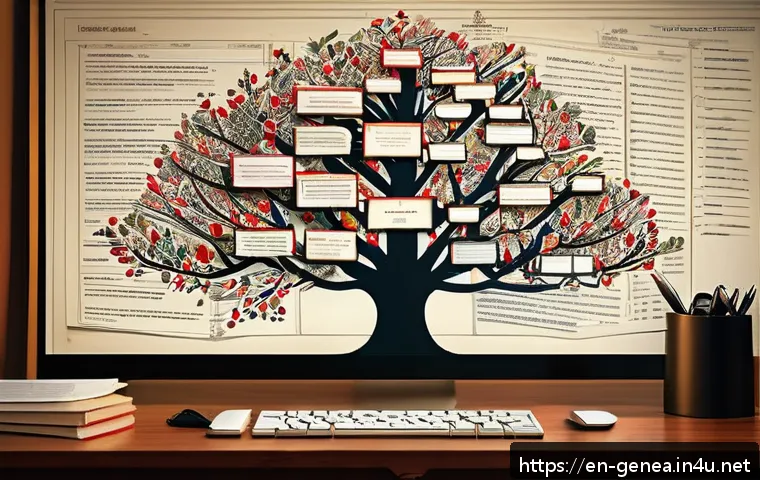
Navigating through complex family histories can be overwhelming, especially when traditional methods involve piles of papers and scattered notes. That’s where genealogy software steps in, transforming how we trace our roots with powerful digital tools designed to organize, analyze, and visualize family trees.
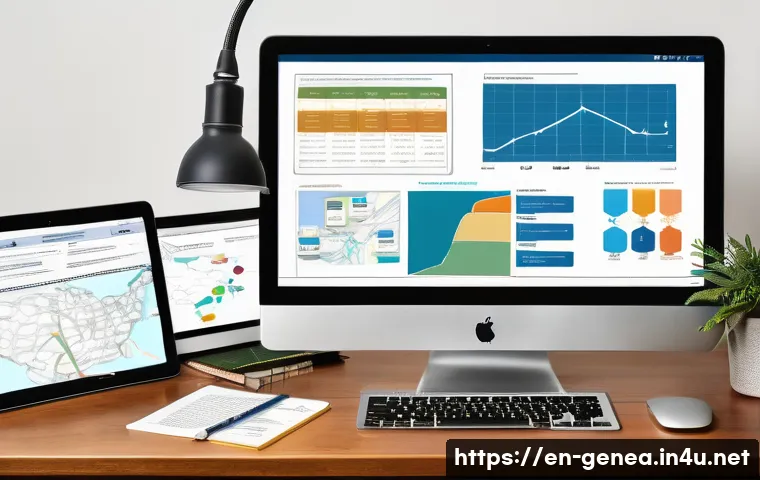
With advances in technology, these programs now offer seamless integration with online records, DNA data, and collaborative features that make uncovering your heritage more accessible than ever.
Whether you’re a beginner or a seasoned genealogist, leveraging the right software can save countless hours and bring your ancestry to life in vivid detail.
Let’s dive deeper to uncover how genealogy software can revolutionize your family research journey!
Organizing Your Family Data Like a Pro
Streamlined Information Input and Editing
Getting started with family history research can feel chaotic, especially when juggling names, dates, and stories from various sources. Modern genealogy tools simplify this by offering intuitive interfaces that allow you to input and edit details effortlessly.
You don’t need to be tech-savvy to add birthdates, marriage locations, or even personal anecdotes. What I found particularly helpful is how these programs prompt you to fill in missing information, reducing the chances of leaving gaps in your family tree.
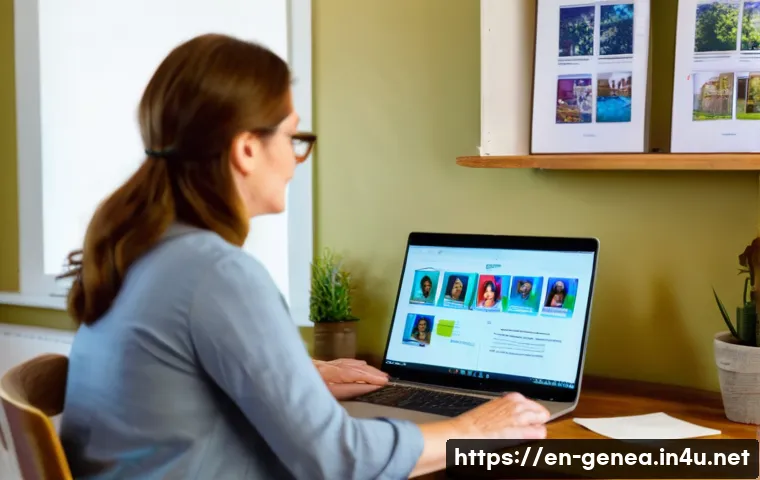
Plus, the ability to attach photos, documents, and even audio recordings means your family history becomes a rich, multimedia experience rather than just a list of names.
Smart Data Validation to Avoid Errors
One of the frustrations I encountered early on was discovering conflicting dates or impossible relationships—like a child born before their parent! Many genealogy platforms now come equipped with automated data validation tools that flag inconsistencies as you enter data.
This feature saves you from hours of backtracking and confusion. By catching errors early, you maintain a more accurate and trustworthy family tree, which is crucial when sharing your research with relatives or submitting it to genealogical societies.
Customizable Views to Match Your Workflow
Everyone approaches family research differently. Some prefer a chronological timeline, while others like a classic tree diagram or a narrative report.
The flexibility to switch between various views keeps your work engaging and organized. I personally like toggling between a descendant chart and a detailed profile list depending on the task at hand.
This customization helps maintain focus and makes it easier to spot gaps or connections that might otherwise go unnoticed.
Bringing Your Ancestors to Life with Visual Tools
Dynamic Family Trees with Interactive Features
Visualizing your ancestry can be a game-changer. Interactive family trees enable you to click on individuals and instantly see their vital details, photos, and stories.
This interactivity makes sharing your research with family gatherings or online communities much more engaging. I noticed that when relatives see the family tree in this format, they’re more likely to contribute additional information or correct errors, turning research into a collaborative adventure.
Charts and Reports that Tell a Story
Beyond trees, generating detailed charts and narrative reports helps bring context and meaning to your data. Whether it’s a migration map showing your ancestors’ movements or a timeline highlighting major life events, these visual tools transform static information into compelling stories.
I remember creating a report that traced my great-grandfather’s journey across states, and it sparked conversations with family members I hadn’t connected with before.
Custom Photo Albums and Media Galleries
Genealogy software often includes options to build custom albums or galleries, letting you organize family photos, scanned documents, and even video clips.
This feature is invaluable because it keeps all related media linked directly to the right individuals and events. I found it especially satisfying to compile a digital scrapbook for my grandmother, combining her photos with stories she shared, preserving her legacy in a way that’s easy to revisit.
Seamless Integration with Online Databases
Direct Access to Historical Records
One of the most powerful benefits of modern genealogy tools is their ability to connect directly with vast online archives. From census data to military records and immigration manifests, these integrations drastically reduce the time spent hunting through various websites.
I was amazed at how quickly I could verify family stories by pulling in official documents right from the software’s interface. It feels like having a personal research assistant available 24/7.
Matching and Hint Systems to Expand Your Tree
Many programs offer “hint” features that suggest potential matches for your ancestors based on existing data. These hints can lead you to new branches of your family tree or uncover relatives you never knew existed.
In my experience, these suggestions often serve as a starting point rather than definitive proof, but they’re invaluable for guiding your research and keeping the momentum going.
Privacy Controls When Sharing Data
While accessing online records is fantastic, privacy remains a key concern. Genealogy software usually includes robust controls that let you decide what information to share publicly or with specific family members.
I appreciate how I can keep sensitive data, like recent birth dates, private while still sharing older ancestral details for collaboration. This balance builds trust among family contributors and protects living relatives.
Leveraging DNA Data for Deeper Insights
Importing and Analyzing DNA Results
Integrating DNA data has revolutionized genealogy by adding a scientific layer to traditional research. Many software programs allow you to import raw DNA results from popular testing companies and then analyze genetic relationships.
When I first tried this, the detailed ethnicity estimates and match lists helped me verify paper trails and discover unexpected cousin connections. DNA adds a fascinating dimension that brings your family history to life on a biological level.
Combining Genetic and Documentary Evidence
DNA alone doesn’t tell the whole story, but pairing it with historical records creates a fuller picture. I found it crucial to cross-reference DNA matches with documented facts to confirm relationships and avoid assumptions.
This integrated approach lends credibility and depth to your genealogy work, making it more than just a hobby—it becomes a robust historical investigation.

Collaboration Through Shared DNA Networks
Many tools also offer ways to connect with genetic relatives who share your DNA segments. These networks encourage collaboration, allowing you to exchange family stories, photos, and research tips.
I’ve reached out to distant cousins I never knew existed, and together, we uncovered fascinating branches of our shared ancestry that would have been impossible to discover alone.
Collaborative Features to Engage Your Family
Inviting Relatives to Contribute
Family research is often more rewarding when it’s a team effort. The best genealogy tools let you invite relatives to view, edit, or add to your family tree in a controlled environment.
I noticed that once I opened up access to my immediate family, the influx of stories, photos, and corrections dramatically enriched the project. Everyone feels more connected and invested when they can actively participate.
Real-Time Updates and Notifications
Keeping track of changes can be tricky with multiple contributors, but many platforms provide real-time updates and notifications. This way, you know exactly when someone adds a new record or corrects a date.
It’s like having a shared workspace where everyone stays informed. Personally, I found this feature invaluable for coordinating research efforts and avoiding duplicated work.
Discussion Boards and Messaging Tools
Communication is key when collaborating remotely. Integrated discussion boards or messaging features within genealogy software make it easy to ask questions, share discoveries, or plan research trips.
I’ve used these tools to coordinate with cousins living in different states, and it turned what could have been a fragmented effort into a smooth, interactive experience.
Choosing the Right Tool for Your Needs
Comparing Features and Usability
With so many genealogy programs available, picking the right one can be daunting. Consider what features matter most to you—whether it’s ease of use, depth of record integration, or advanced DNA tools.
For example, some software excels in visual presentations, while others prioritize data accuracy and collaboration. Trying free trials or watching user reviews can help you find a platform that fits your workflow and goals.
Pricing Models and Value for Money
Genealogy software pricing varies widely, from free versions with limited features to premium subscriptions offering extensive databases and tools. I’ve found that investing in a well-rounded program pays off through time saved and richer research results.
However, if you’re just starting out, many free or low-cost options provide ample functionality to build a solid family tree without breaking the bank.
Support and Community Resources
Good customer support and an active user community are invaluable when learning the ropes or troubleshooting issues. Some software companies offer detailed tutorials, webinars, and responsive help desks.
Additionally, active online forums allow you to connect with other genealogists, share tips, and get advice. In my experience, these resources have helped me overcome roadblocks and keep my research moving forward.
| Feature | Benefit | Ideal User |
|---|---|---|
| Intuitive Data Entry | Saves time and reduces errors with guided input | Beginners and casual researchers |
| Online Record Integration | Access vast archives directly from software | Researchers seeking comprehensive data |
| DNA Data Import | Enhances accuracy and uncovers genetic links | Users with DNA test results |
| Collaborative Tools | Facilitates family participation and data sharing | Family teams and community projects |
| Custom Reports & Charts | Transforms data into engaging stories | Storytellers and educators |
Wrapping Up
Organizing your family data with the right tools can transform a daunting task into an enjoyable journey. By combining intuitive features, visual storytelling, and collaborative options, genealogy becomes more accessible and engaging for everyone involved. Whether you’re a beginner or an experienced researcher, leveraging these strategies will deepen your connection to your family history and make your work truly meaningful.
Useful Tips to Keep in Mind
1. Always double-check dates and relationships using built-in validation tools to maintain accuracy and avoid confusion.
2. Take advantage of multimedia options like photos and audio to enrich your family stories beyond basic facts.
3. Use customizable views to focus on different aspects of your research, whether timelines, charts, or detailed profiles.
4. Protect living relatives’ privacy by adjusting sharing settings carefully when collaborating or publishing your data.
5. Engage your family by inviting them to contribute and communicate through built-in discussion boards or messaging features.
Key Takeaways
Choosing the right genealogy software involves balancing usability, feature set, and budget to suit your personal needs. Integration with online records and DNA data can greatly enhance the depth and accuracy of your research, but always verify matches with documentary evidence. Collaborative tools not only enrich your family tree but also build stronger connections among relatives. Finally, ongoing support and active communities provide valuable assistance and motivation throughout your genealogical journey.
Frequently Asked Questions (FAQ) 📖
Q: What are the key benefits of using genealogy software compared to traditional paper methods?
A: Using genealogy software dramatically simplifies managing family history research. Instead of juggling stacks of papers and handwritten notes, the software organizes all your data in one place.
It allows you to easily add, edit, and link family members, and visualize relationships through interactive family trees. Plus, many programs connect directly to online databases and DNA results, making it faster to discover new information.
From my experience, this digital approach saves hours and reduces frustration, especially when trying to spot inconsistencies or fill in missing details.
Q: Can genealogy software handle DN
A: data, and how does it help with family research? A2: Absolutely, many modern genealogy programs integrate DNA data seamlessly. They help you interpret raw DNA results by matching you with possible relatives, suggesting common ancestors, and even pinpointing migration patterns.
This adds a whole new layer of evidence to your family tree that paper records alone can’t provide. When I started incorporating DNA matches into my research, it unlocked connections I hadn’t found through traditional documents, confirming family lines and sometimes revealing surprising branches.
Q: Is genealogy software suitable for beginners, or is it only for experienced researchers?
A: Genealogy software is designed to accommodate all skill levels. Most platforms offer user-friendly interfaces and guided tutorials that make it easy for beginners to get started without feeling overwhelmed.
At the same time, they provide advanced tools for seasoned genealogists who want to dive deeper into analysis and data integration. From what I’ve seen, beginners appreciate the ability to build a basic family tree quickly, and as their confidence grows, they can explore more complex features at their own pace.
This flexibility makes genealogy software a great investment for anyone curious about their ancestry.