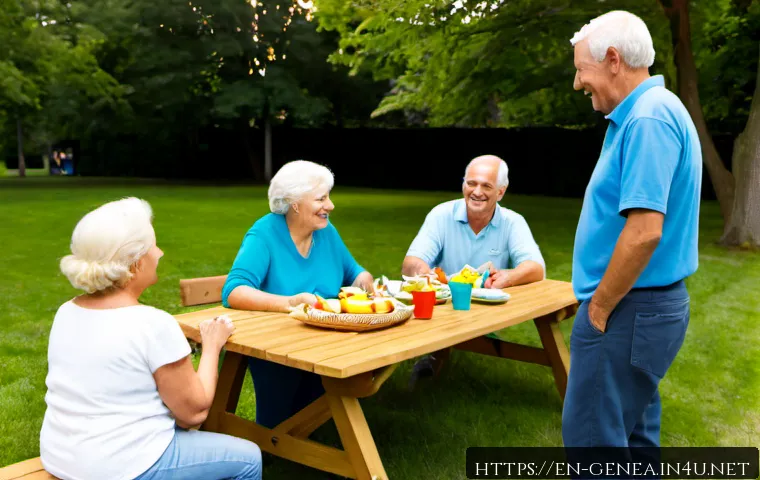
Plan a family association gathering in this order: define the purpose, estimate attendance, set a budget range, and then compare written venue and meal options.
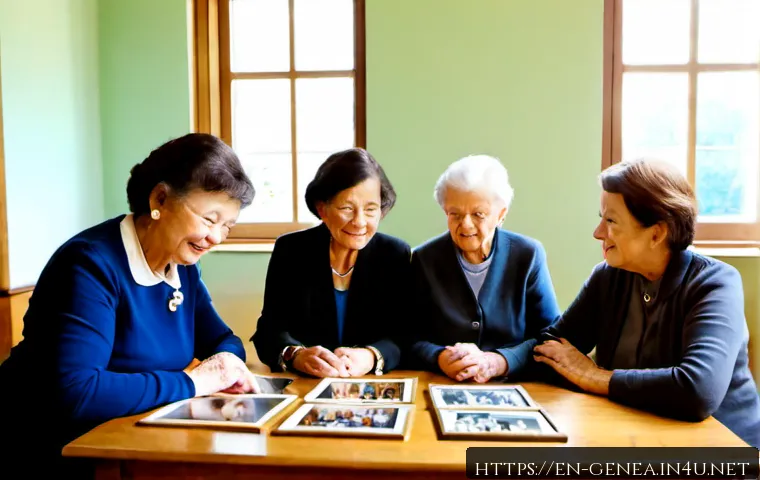
This sequence helps prevent a room, catering package, or travel plan from being chosen before the group’s real needs are clear. A good gathering can combine reunion time with an annual meeting, genealogy updates, memorial moments, or cultural activities without making the day feel over-scheduled.
The best venue depends less on appearance than on capacity, accessibility, travel distance, setup requirements, and cancellation terms. Early RSVPs, dietary notes, and clear volunteer assignments make costs and responsibilities easier to manage.
Before committing, compare at least two written venue and catering quotes with the same event requirements.
At a Glance
- Start with purpose and attendance: these shape the venue size, food quantity, seating, transport, and possible insurance needs.
- Compare complete written quotes: review capacity, accessibility, deposits, setup time, cancellation terms, and meal service details.
- Keep the program practical: use a written schedule and assigned volunteer roles so guests, speakers, and vendors know what happens next.
| Venue Format | Main Cost Drivers | Volunteer Workload | Best Fit |
|---|---|---|---|
| Community hall | Room rental, setup needs, food service, equipment | Often higher, especially for setup and cleanup | Flexible reunions, heritage displays, annual meetings, and mixed-age programs |
| Restaurant group space | Group menu, minimum food commitment, private-room terms | Usually lower for meals and cleanup | Meal-centered gatherings with a simpler program |
| Hotel meeting space | Meeting room, catering, guest rooms, equipment, service terms | Can be lower when services are bundled | Families traveling from multiple areas or events needing formal meeting space |
| Park or outdoor site | Site reservation, food arrangements, weather backup, transport, permits if required | Higher because weather and equipment planning matter | Informal social gatherings, games, and family-friendly activities |
| Private home or private venue | Food, seating, parking, equipment, cleanup, liability considerations | Often high for hosts and volunteers | Smaller or tradition-focused gatherings with clear capacity limits |
Start With the Purpose, Guest List, and Budget Range
The first planning decision is not the menu or the decoration. It is the purpose of the gathering. A family association event may be a relaxed reunion, an annual business meeting, a heritage program, a memorial occasion, or a mix of these. When the purpose is written in one or two clear sentences, it becomes easier to decide how formal the venue should be, how much program time is needed, and what guests should expect.
Define Whether the Gathering Is Social, Heritage-Focused, Business-Focused, or Mixed
A mostly social reunion may need comfortable seating, meal time, name tags, and plenty of room for conversation. A heritage-focused event may need table space for genealogy displays, old photographs, family records, or a presentation area. A business-focused association meeting may need a quieter room, a clear agenda, speaker support, and time for formal announcements.
A mixed event often works well when the formal section is focused rather than spread throughout the day. For example, welcome guests, share a meal, hold family updates and recognition at a stated time, then leave room for informal conversation. Avoid building a schedule around every possible activity. A few well-supported moments are more useful than a crowded program.
Estimate Attendance Before Requesting Venue or Catering Quotes
Attendance affects almost every commercial decision. It influences venue capacity, catering quantities, seating plans, transport considerations, and potential event insurance needs. Begin with a working guest list that separates likely attendees, invited households, volunteers, speakers, and children where relevant.
Use RSVPs to refine the estimate before signing a contract. A venue that looks ideal for a large gathering can become a costly fit if attendance remains uncertain. Likewise, a small private space can become uncomfortable if invitations spread beyond the original list. When asking for an event venue or catering quote, provide the same attendance estimate and basic program needs to every provider so the comparison is meaningful.
Set a Realistic Spending Limit and Contingency Amount
Build the budget in categories rather than trying to choose one total first. Fixed costs may include venue rental, required equipment, printing, or a planning service. Per-person costs may include catering, restaurant group menus, name badges, or transportation. Optional upgrades may include entertainment, special displays, photography support, or additional activities.
Keep a separate contingency amount for changes that arise during planning. The right amount depends on the association’s own resources and obligations, so it should be decided internally. Do not treat optional items as essentials until core needs—space, meals, accessibility, and the event schedule—are covered.
Compare Venue and Meal Options Before You Book
Venue and food decisions should be made together whenever possible. A low room rental may require outside catering, extra equipment, extensive setup, or volunteer cleanup. A restaurant group menu may have less flexibility but reduce the number of moving parts. Compare the total event workload, not only the first listed charge.
Community Halls, Restaurants, Hotels, Parks, and Private Spaces
Community halls are useful when the family association needs flexibility for displays, a business meeting, cultural programming, or a shared meal. Confirm what is included: seating, tables, kitchen access, audiovisual equipment, setup windows, and cleanup expectations.
Restaurants can simplify meal service and cleanup. They may suit an event centered on conversation and a shared meal, especially if a private or semi-private group area is available. Ask how the restaurant group menu handles dietary requirements, timing, seating, and any minimum commitment.
Hotels can be practical for guests who need overnight accommodation and for formal annual meetings. Their meeting and catering packages may reduce coordination work, but organizers should still review the written terms closely. Parks and outdoor spaces may support games and informal family time, but they need a weather backup plan. Private spaces can feel personal, yet organizers must realistically assess capacity, parking, accessibility, and the host’s workload.
What to Compare in Venue Quotes: Capacity, Accessibility, Deposits, Setup, and Cancellation Terms
Request written details rather than relying on a quick phone summary. Compare capacity, room layout options, accessible entrances and restrooms, available seating, parking or transport access, setup time, and cleanup requirements. Ask when deposits are due, what cancellation terms apply, and whether the venue has liability requirements that affect the association.
Accessibility should be reviewed early, not added at the end. Consider step-free access, distance from parking or drop-off points, seating with backs where possible, restroom access, space for mobility devices, and a quiet area for guests who need a break. Local requirements and venue policies vary, so confirm the details directly with the provider.
Catering, Potluck, and Group-Menu Choices: Cost Versus Organizer Workload
Per-person catering can make food planning more structured, particularly when RSVPs and dietary requirements are collected early. It may also reduce food-handling coordination for volunteers. A buffet service can offer flexibility, but it still depends on accurate attendance estimates and clear timing.
A potluck can support family traditions and participation, but it requires active coordination. Someone should track dishes, serving needs, allergens or dietary notes, refrigeration or heating needs, and what happens if several people bring the same item. A restaurant group menu can be the simplest option for a meal-first event, although it may offer less control over the program schedule.
Choose the approach that fits the association’s volunteer capacity. A lower-cost food plan is not automatically a better value if it creates a heavy, unclear burden for a few family members.
Build a Program That Works for Different Generations
A successful family gathering gives people a reason to attend and enough time to connect. The program should respect older relatives, welcome children, and leave room for unplanned conversations. Keep major transitions visible in the schedule so guests do not miss announcements, meals, or recognition moments.
Balance Welcome Time, Meals, Family Updates, Recognition, and Informal Conversation
A simple event flow may include arrival and registration, a welcome, meal service, family association updates, recognition or memorial time where appropriate, and open social time. If the gathering includes formal governance or heritage presentations, state that clearly in the invitation so guests understand the event’s purpose.
Do not place every important item at the end of the day. Guests may need to leave early due to travel, mobility needs, or family responsibilities. A written event schedule helps speakers, volunteers, vendors, and attendees understand timing and responsibilities.
Add Optional Genealogy Displays, Photo Sharing, Games, or Local Activities
Genealogy displays, family trees, photo boards, memory tables, and recorded stories can add value without requiring a long formal presentation. Give materials clear labels and consider how private family records will be viewed or shared. A photo-sharing area can encourage participation, but it should not assume everyone is comfortable with public posting.
Games, children’s activities, and local outings can work well when they do not compete with the core gathering. If a local activity involves group travel, confirm timing, accessibility, meeting points, and whether guests must arrange their own transportation. Keep optional activities clearly separate from the main program.
Plan Accessibility, Seating, Quiet Areas, and Child-Friendly Participation
Comfort often matters more than elaborate entertainment. Plan seats for older guests, space for strollers or mobility devices, a quiet corner, and a child-friendly activity that does not require constant supervision from the same volunteers. If meals are served, collect dietary requirements through the RSVP process instead of trying to solve them on arrival.
Ask guests whether they have mobility or seating needs in a respectful, optional way. Then share relevant needs only with the people responsible for seating, venue coordination, or meal arrangements.
Manage Invitations, RSVPs, Volunteers, and Event-Day Details
Clear communication prevents a family event from becoming dependent on last-minute messages. Use one main contact method for invitations and one simple RSVP process. The system does not need to be complicated; it needs to be consistently used.
Create a Simple RSVP Process and Collect Dietary or Mobility Needs

The RSVP should ask for attendee names, attendance status, dietary requirements, and relevant mobility needs. If the event has paid meals, group travel, or limited seating, explain what information must be confirmed by the organizer’s deadline. This helps reduce waste and last-minute food costs while giving the venue or caterer a clearer headcount.
For family directories or genealogy updates, do not assume that an RSVP is permission to publish personal details. Keep contact information and private family records separate from the event attendance list unless people have clearly agreed to share them.
Assign Clear Roles for Registration, Setup, Finance, Photos, and Cleanup
Volunteer roles should be specific. Assign one person or small team for registration, venue setup, vendor contact, finance records, photos, announcements, and cleanup. If one volunteer is responsible for several tasks, write down the handoff plan. Guests should know who can answer basic questions without searching for the event organizer.
For photos, decide in advance who will take them, where they will be shared, and how consent will be handled. This is particularly important when children, private family records, or memorial materials are involved. A simple notice at registration can help guests understand the association’s approach.
Use a Run Sheet to Prevent Delays and Missed Announcements
A run sheet is a practical timeline for the people running the event. It can list arrival time, setup, vendor delivery, registration opening, welcome remarks, meal timing, speakers, activities, cleanup, and departure. Include the name of the person responsible beside each item.
Give speakers and volunteers a short version of the schedule before the event. If there is a delay, the lead organizer can adjust one section without losing track of the entire day. A written run sheet is especially helpful when catering, transport, or multiple generations are involved.
Avoid Costly Planning Mistakes and Last-Minute Problems
Most expensive problems begin with an assumption: assuming attendance, assuming a venue includes equipment, assuming volunteers will handle cleanup, or assuming weather will cooperate. Put essential details in writing and review them before any final commitment.
Do Not Commit to a Large Venue Based on Unconfirmed Attendance
Start with a reasonable estimate, then use RSVP information to confirm it. Avoid choosing a large event venue solely because it seems safer to have extra space. The right room is one that supports the likely group size, the planned layout, and accessible movement—not simply the largest available option.
If attendance remains uncertain, ask providers what flexibility is available before selecting a room or meal format. The answer may influence whether a restaurant, community hall, hotel meeting room, or outdoor space is the more manageable choice.
Review Contracts, Weather Backup Plans, Insurance Needs, and Vendor Deadlines
Read venue contracts for deposits, cancellation terms, setup and access times, liability language, and any restrictions on caterers, decorations, alcohol service, music, or equipment. Local permit, safety, accessibility, and liability requirements can differ, so confirm them with the venue and appropriate local sources where needed.
For outdoor plans, identify a weather backup before invitations are finalized. For caterers and restaurants, note when final meal counts and dietary details are due. If the event may require insurance, review the venue’s requirements and compare suitable event insurance options based on the association’s actual activities and responsibilities.
Protect Family Privacy When Sharing Directories, Photos, and Historical Materials
Family association events often bring together sensitive materials: addresses, old photographs, genealogy notes, memorial records, and stories that some relatives may prefer to keep private. Decide what will be displayed, photographed, printed, or shared online. Obtain appropriate permission before distributing private information.
Use care with children’s photos and with records that identify living relatives. A heritage display can still be meaningful when it focuses on shared history while limiting unnecessary personal details.
Selection Criteria and Comparison Summary
Before making a final booking, compare at least two written venue and catering quotes using the same guest estimate and event requirements. Review these decision points:
- Attendance confidence: Is the venue size and meal commitment reasonable for confirmed and expected guests?
- Total cost structure: Which costs are fixed, per-person, optional, or dependent on setup and cleanup?
- Accessibility and travel: Can guests reach the location comfortably, and does the space support mobility and seating needs?
- Volunteer capacity: Can the association realistically manage food, setup, registration, activities, and cleanup?
- Contract flexibility: What do deposit, cancellation, vendor deadline, and liability terms require?
- Program fit: Does the format support the meeting, heritage display, meal, memorial, or social time you actually plan to offer?
A restaurant package may offer better value when the gathering is meal-centered and the volunteer team is small. A community hall or dedicated event venue may be stronger when the program needs displays, formal meeting time, or flexible seating. A caterer can reduce coordination for a larger gathering, while a professional event planner may be worth considering when travel, multiple vendors, or a complex program creates more work than volunteers can manage. Check the provider’s official information and detailed terms before committing.
Closing Thoughts
A family association gathering does not need an elaborate format to be meaningful. It needs a clear purpose, a realistic attendance estimate, and choices that match the association’s budget and volunteer capacity. Put the essential terms in writing, collect RSVPs early, and make accessibility part of the first venue review. When the planning basics are handled well, relatives can spend more of the event connecting rather than solving problems.
Useful Information to Keep in Mind
1. Keep one current planning document: Include guest estimates, vendor contacts, volunteer roles, deadlines, and the event schedule.
2. Ask the same questions of each provider: This makes venue, catering, and group-menu comparisons clearer.
3. Separate public and private materials: Attendance lists, family directories, photos, and genealogy records may need different consent practices.
4. Plan for transitions: Registration, meal service, speaker changes, and cleanup are often where timing slips.
Important Notes
Actual venue, catering, travel, insurance, printing, entertainment, and service costs depend on the local area and provider terms. Requirements related to permits, alcohol service, safety, accessibility, liability, and insurance also vary by location and event format. Confirm these details directly with the venue, vendors, and relevant local authorities or advisors before signing agreements or collecting payments.
Frequently Asked Questions
Q1. How far in advance should a family association gathering be planned?
A1. Begin planning early enough to define the purpose, estimate attendance, compare venue and catering options, and collect RSVPs before key vendor deadlines. The necessary lead time depends on the location, season, group size, and whether the event includes travel, formal programming, or a complex meal arrangement. Start with written requirements before asking providers for availability.
Q2. What is the most cost-effective venue for a large family reunion or heritage meeting?
A2. There is no single best option. Community halls may offer flexible space for meetings and displays, while restaurant group spaces can reduce food and cleanup workload. Hotels may be practical for traveling guests, and parks may work for informal gatherings with a dependable weather backup. Compare total costs, accessibility, volunteer workload, and contract terms—not only the room charge.
Q3. Should we use a caterer, restaurant group menu, or potluck for a family association event?
A3. Choose based on attendance certainty, dietary needs, program format, and volunteer capacity. Catering can provide a more structured meal plan, a restaurant group menu can simplify service and cleanup, and a potluck can support family participation but needs careful coordination. Before committing, compare at least two written venue and catering quotes and review what each option requires from volunteers.