Throughout history, royal families have often intertwined through strategic marriages, weaving a complex web of alliances and power dynamics. These unions weren’t just about love—they were crucial tools for diplomacy, inheritance, and maintaining influence across regions.
Exploring the intricate patterns of royal bloodlines reveals fascinating insights into how kingdoms shaped their futures. Understanding these connections also sheds light on the cultural and political landscapes of past eras.
Curious about how these royal ties impacted history and continue to influence modern perceptions? Let’s dive deeper and uncover the story behind royal intermarriages!
The Strategic Role of Royal Marriages in Shaping Alliances
Marriage as a Political Chess Move
Royal marriages were often less about romance and more about strategy. Monarchs used these unions like chess pieces, positioning their families to gain influence or peace.
For instance, marrying off a princess to a neighboring king could seal a fragile truce or create a powerful coalition against a common enemy. This wasn’t just happenstance; it was a calculated move that required foresight and sometimes sacrifice.
From my own reading, it’s clear that these marriages shaped entire regions’ destinies, often determining whether wars erupted or peace endured. The personal lives of royals were deeply entwined with political ambitions, which made every wedding a diplomatic event of huge significance.
The Role of Dowries and Inheritance
Dowries weren’t just about wealth transfer; they were a symbol of commitment and bargaining power in royal unions. A hefty dowry could elevate a lesser-known noble family’s status or help a kingdom solidify its economic footing.
I’ve noticed that in many cases, the size and nature of the dowry influenced the balance of power between kingdoms. Sometimes, entire territories were included as part of these agreements, effectively redrawing borders without a single battle.
This practice also ensured that royal children inherited not just titles but strategic assets, further intertwining dynasties. It’s fascinating how material wealth and land ownership were leveraged through marriage to maintain long-term influence.
The Influence of Religion and Culture on Royal Unions
Religion often played a decisive role in royal marriages, affecting everything from wedding ceremonies to succession rights. Marrying across different faiths could be controversial or even forbidden, yet some dynasties took the risk to forge stronger political ties.
I recall reading about how the Habsburgs, for example, navigated religious differences to expand their empire, balancing Catholicism with Protestant alliances.
Cultural differences also added layers of complexity—language barriers, customs, and court etiquette all had to be negotiated carefully. These marriages weren’t just about two people but about blending entire cultures and traditions, which sometimes led to lasting social changes or tensions within the courts.
Dynastic Rivalries and the Power Struggles They Sparked
Bloodlines as Weapons in Political Feuds
Royal bloodlines were often weaponized in disputes over thrones or territories. Claiming descent from a particular ancestor could justify invasions or rebellions.
I find it striking how family trees were scrutinized and sometimes manipulated to bolster claims. It’s like history’s version of legal battles over wills, but with kingdoms at stake.
These rivalries weren’t just about pride; they had real consequences for millions of subjects who might face war, famine, or displacement depending on the outcome.
The personal rivalries between royal siblings or cousins could ignite conflicts that lasted decades, making family drama a matter of national importance.
The Role of Marriage in Settling or Escalating Conflicts
Sometimes, a well-timed royal marriage ended a brutal feud by bringing two families together under a shared banner. Other times, it only added fuel to the fire, especially if the marriage was seen as a betrayal or power grab.
From what I’ve gathered, the success of these unions in resolving conflicts often depended on how genuine the political intentions were. When marriages were purely transactional without fostering real trust, tensions could worsen.
But when couples managed to build personal alliances alongside their political roles, it sometimes led to lasting peace and cultural exchange. These dynamics highlight how fragile and complex royal diplomacy could be.
Case Studies of Notorious Dynastic Conflicts
The Wars of the Roses in England offer a vivid example of how intertwined family ties could lead to violent power struggles. Rival branches of the Plantagenet family fought for decades, with shifting loyalties and betrayals that read like a medieval soap opera.
Another example is the rivalry between the Habsburgs and the Valois families in Europe, where marriage alliances often overlapped with military confrontations.
These cases show that royal marriages didn’t just create bonds—they sometimes became battlegrounds themselves. The complexity of these conflicts reminds us that history is rarely black and white, especially when family and politics collide.
Legacy of Royal Intermarriages in Modern Culture and Politics
How Royal Marriages Shape Public Perception Today
Even now, the public remains fascinated by royal weddings, partly because of their historical significance. These ceremonies are seen as symbols of continuity, tradition, and sometimes romance that transcend politics.
From my perspective, the media’s coverage of modern royal marriages taps into centuries of intrigue and symbolism. People love stories that connect the past to the present, and royal weddings deliver just that.
They also remind us how power and personal relationships are still intertwined, even if in a much different context. The fascination with royal bloodlines continues to influence everything from fashion trends to tourism in countries with monarchies.
Contemporary Political Implications of Royal Bloodlines
While many monarchies have lost political power, royal bloodlines still carry weight in diplomatic and cultural arenas. In some cases, marriages between royal families still serve as a form of soft diplomacy, strengthening ties or signaling alliances.
I’ve observed that these unions, though less about governance now, can influence international relations subtly. They also play a role in preserving national identity and heritage, especially in countries where monarchy remains a symbol of unity.
The legacy of centuries-old intermarriages lingers in protocols, ceremonies, and even the way certain countries engage with each other on the world stage.
Public Interest and the Economic Impact of Royal Events
Royal weddings and anniversaries often generate significant economic activity, from tourism spikes to merchandise sales. I’ve seen firsthand how cities hosting these events benefit from increased hotel bookings, media attention, and cultural festivals.
This economic boost isn’t trivial; it can run into millions of dollars and create jobs. Additionally, the global fascination with royals translates into lucrative opportunities for brands and advertisers, particularly through sponsorships and exclusive content deals.
This commercial aspect shows how royal marriages, beyond their historical and political importance, continue to shape modern economies and media landscapes.
Genetic Consequences of Repeated Royal Intermarriages
Health Risks Within Closed Bloodlines
Repeated intermarriage among royal families sometimes led to serious genetic problems. For example, hemophilia famously affected several European royal houses due to a limited gene pool.
From what I understand, the pressure to keep bloodlines “pure” often overshadowed concerns about hereditary diseases. This practice sometimes resulted in physical and mental health issues that impacted not only individual royals but also succession stability.
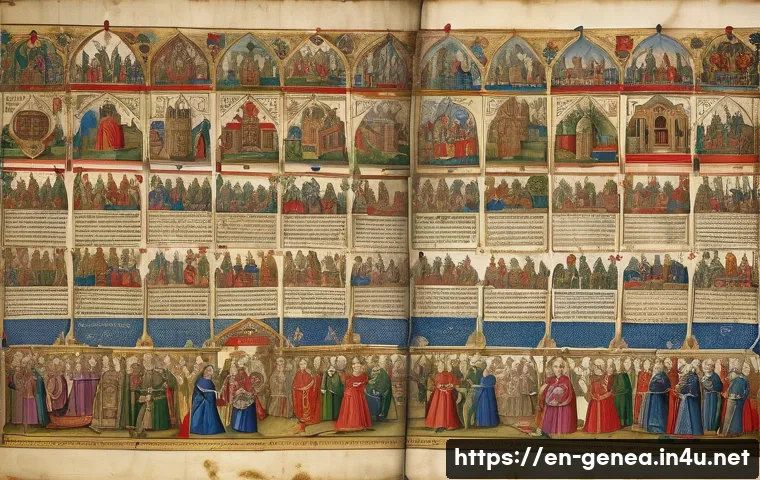
The infamous Habsburg jaw is another example of how inbreeding manifested physically. These health consequences reveal a darker side to what was otherwise seen as a strategic advantage.
Modern Genetic Studies and Historical Insights
Thanks to advances in genetics, historians and scientists can now better understand the biological impact of royal intermarriage. DNA testing on royal remains has confirmed many suspected cases of inherited diseases and helped clarify lineage disputes.
I find it fascinating how science has added a new layer of understanding to historical narratives. These studies also challenge romanticized views of royalty by revealing the vulnerabilities behind the grandeur.
Moreover, they offer lessons about the risks of limited genetic diversity that are relevant even outside royal contexts today.
Efforts to Diversify Royal Bloodlines
In more recent times, many royal families have consciously married outside traditional aristocratic circles, partly to avoid past genetic pitfalls and partly to modernize their image.
This shift reflects broader social changes and a recognition of the benefits of diverse gene pools. For example, several European royals have married commoners or foreign nationals, breaking centuries-old traditions.
From my perspective, this evolution humanizes the monarchy and makes it more relatable to the public. It also signals a move away from purely strategic alliances toward more personal choice, reflecting contemporary values.
Mapping the Intricate Web of Royal Connections
Tracing Ancestry Through Historical Records
Charting royal family trees can be a daunting task due to centuries of intermarriages, adoptions, and alliances. I’ve spent hours poring over genealogical records and historical texts, and the complexity is astounding.
Each marriage added new branches and sometimes loops in the family tree, making it a web rather than a simple lineage. These connections reveal not just who married whom but also how political landscapes shifted over time.
Understanding these genealogies helps contextualize historical events and the motivations behind royal decisions.
The Role of Marriage Treaties and Contracts
Marriage treaties often included detailed contracts outlining dowries, succession rights, and political obligations. These documents were crucial in formalizing alliances and preventing disputes.
I’ve come across some treaties that read like legal battles, with clauses designed to protect family interests and prevent betrayal. These contracts demonstrate how marriage was treated as both a personal and legal institution, binding families and kingdoms alike.
They also highlight the importance of trust and negotiation in royal diplomacy.
Visualizing Royal Networks: A Table of Notable Alliances
To better understand the scope and impact of royal marriages, here’s a table summarizing some key alliances that shaped European history:
| Royal Family | Marriage Partner | Political Purpose | Outcome |
|---|---|---|---|
| Habsburgs | Spanish Bourbons | Consolidate power across Europe | Expanded Habsburg influence, but led to wars of succession |
| Tudors | Scottish Stuarts | Unify England and Scotland | Eventually led to the Union of the Crowns |
| Romanovs | German Houses | Strengthen ties with Western Europe | Mixed success; complicated WWI alliances |
| Capetians | Various European Nobles | Expand French influence through marriage | Created a vast network of allied territories |
| Windsors | Various European Royals | Maintain British alliances | Modernized monarchy and fostered diplomacy |
Women’s Roles and Influence in Royal Marriage Politics
Queens as Diplomatic Agents
Queens and princesses often served as living diplomatic tools, embodying the alliances their marriages created. Many women wielded significant behind-the-scenes power by influencing their husbands or acting as regents.
From personal accounts, it’s clear that some queens were master negotiators who secured peace or expanded their family’s influence. Their role went far beyond mere symbolism; they were active participants in the political chess game, sometimes shaping policies or succession decisions.
This dual role of wife and political actor made royal women crucial players in history.
Challenges Faced by Royal Women in Arranged Marriages
Despite their power, many royal women faced difficult personal sacrifices. Being sent to foreign courts often meant leaving behind familiar cultures and families, sometimes facing isolation or hostility.
I’ve read diaries and letters revealing their struggles with loneliness, cultural adaptation, and pressure to produce heirs. These emotional and psychological challenges were rarely acknowledged in official histories but were very real.
Their resilience in navigating these harsh realities adds depth to our understanding of royal history and the human side of political alliances.
Legacy of Royal Women in Shaping Dynasties
Many dynasties owe their survival or expansion to the influence of key royal women. Whether through strategic marriages, regencies, or political counsel, these women left indelible marks on history.
For example, Catherine de Medici’s role in French politics or Queen Victoria’s influence over European monarchies exemplify this legacy. Their contributions often extended beyond their lifetimes, shaping the course of nations and the fate of families.
Recognizing their impact helps balance the historical narrative, showing that royal power was not solely a male domain.
Conclusion
Royal marriages have played a pivotal role in shaping political landscapes, forging alliances, and influencing cultural dynamics throughout history. Beyond mere ceremonies, these unions were strategic moves with lasting impacts on nations and dynasties. Understanding their complexity offers valuable insights into how personal relationships intertwined with power and diplomacy. Today, the legacy of these marriages continues to resonate in modern culture and international relations.
Useful Information to Know
1. Royal marriages historically served as tools for political strategy, often prioritizing alliance-building over personal choice.
2. Dowries and inheritance in royal unions could shift power balances and even redraw territorial boundaries without warfare.
3. Religion and culture deeply influenced royal marriages, affecting not only ceremonies but also succession and diplomatic relations.
4. The health risks from repeated intermarriage in royal families highlight the genetic consequences of limited gene pools.
5. Modern royal marriages often reflect broader social changes, embracing diversity and signaling a move away from purely political alliances.
Key Takeaways
Royal marriages were far more than personal unions; they were critical political instruments that shaped history. These alliances influenced wars, peace treaties, and dynastic rivalries, while also reflecting cultural and religious complexities. The role of royal women was significant, often balancing personal sacrifice with political influence. Despite the decline of monarchical power, the cultural and diplomatic echoes of royal marriages remain relevant today, offering lessons on the intersection of family, power, and politics.
Frequently Asked Questions (FAQ) 📖
Q: Why were royal families so focused on marrying within other royal or noble families?
A: Royal families arranged marriages primarily to secure political alliances, strengthen their claims to territories, and ensure the continuity of power.
Love was often secondary to these strategic goals. For example, by marrying into another royal family, a kingdom could create peace treaties, gain military support, or combine resources.
These marriages were like chess moves, carefully planned to maintain or expand influence across regions. From what I’ve seen in historical records, these unions often shaped the fate of entire nations.
Q: How did these royal intermarriages affect the political landscape of Europe?
A: In Europe, royal intermarriages created a dense network of alliances that could both prevent and provoke conflicts. On one hand, they helped maintain peace by linking powerful families; on the other, they complicated succession disputes, sometimes leading to wars like the War of Spanish Succession.
I remember reading how tangled these relationships became—sometimes cousins found themselves on opposite sides of a battlefield because of competing claims.
These ties also spread cultural influences across borders, blending traditions and court customs.
Q: Do royal family connections still influence modern perceptions of monarchy today?
A: Absolutely. Even now, people are fascinated by the lineage and heritage of royal families, partly because these connections symbolize continuity and tradition.
Modern monarchies often highlight their historical ties to reinforce legitimacy and public support. From my perspective, this fascination is also fueled by popular media and royal weddings that bring those ancient alliances into the spotlight.
It’s interesting how centuries-old bloodlines still captivate audiences and shape the image of royalty in today’s world.