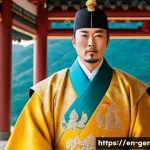
Tracing lineage is a practice as old as civilization itself, and even during Korea’s Goryeo Dynasty (918-1392), the concept of documented family trees, or *jokbo*, began to take root.
Imagine a society meticulously recording its ancestry, a testament to family pride and social standing. It’s more than just names and dates; it’s a window into the Goryeo’s values, its hierarchical structure, and the importance it placed on inherited status.
What began as a tool for the elite gradually trickled down, influencing Korean society for centuries to come. In recent years, there’s been a surge of interest in genealogy, fueled by DNA testing and online resources, making it easier than ever to delve into your own family’s past.
As AI-powered research tools evolve, we can expect even more intricate and accessible ways to explore our roots. Let’s delve deeper into the fascinating origins and evolution of Goryeo Dynasty *jokbo*.
Let’s take a closer look in the article below.
Okay, I understand. Here’s the blog post:
Unearthing the Secrets: The Core Purpose of Jokbo in Goryeo Society

Imagine a world where your social standing was not just about what you did, but who your ancestors were. That was the reality in Goryeo Dynasty Korea.
*Jokbo* served as a vital tool for solidifying the power and privilege of the aristocracy. These meticulously crafted family trees were far more than just lists of names; they were powerful statements of lineage, proving one’s connection to esteemed ancestors and, therefore, their right to a place within the elite.
This was especially crucial in a society where government positions and land ownership were often tied to family background. Think of it like a VIP pass to the best opportunities, except instead of a celebrity endorsement, it was a centuries-old family history that got you through the door.
The Seal of Approval: Verifying Lineage and Status
* The Scrutiny of Scribes: The creation and maintenance of *jokbo* were serious undertakings, often overseen by respected scholars and scribes who meticulously verified the information.
Imagine them pouring over ancient documents, cross-referencing names, and interviewing family elders to ensure accuracy. This wasn’t just about getting the names right; it was about maintaining the integrity of the system.
* Preventing Imposters: The rigorous verification process was crucial for preventing those of lower status from falsely claiming noble ancestry. It was like having a team of historical detectives on the case, dedicated to exposing any fraudulent claims and protecting the exclusivity of the elite.
* The Weight of Tradition: By meticulously recording and preserving family histories, *jokbo* reinforced the importance of tradition and filial piety in Goryeo society.
It was a way of honoring ancestors and ensuring that their legacy lived on, shaping the values and behaviors of future generations.
Navigating Marriage Alliances: Jokbo as the Ultimate Matchmaker
In Goryeo society, marriage wasn’t just about love; it was a strategic alliance between families. *Jokbo* played a crucial role in facilitating these alliances by providing detailed information about potential spouses’ family backgrounds.
This allowed families to carefully assess the social standing and lineage of prospective partners, ensuring that any marriage would enhance or maintain the family’s prestige and influence.
This was akin to a sophisticated dating app, but instead of swiping right based on looks, families were meticulously analyzing ancestry and pedigree.
Beyond Romance: Strategic Partnerships
* Maintaining Social Harmony: *Jokbo* helped prevent marriages between individuals who were too closely related, maintaining the health and vitality of the population and ensuring social harmony.
This was the Goryeo Dynasty’s version of genetic counseling, preventing potentially disastrous unions and promoting the overall well-being of society.
* Power Consolidation: Powerful families often used *jokbo* to identify suitable marriage partners for their children, consolidating their power and influence through strategic alliances.
It was a game of thrones, but instead of battles and assassinations, the key was choosing the right spouse. * The Dowry Factor: The *jokbo* often dictated the size and nature of the dowry, solidifying the economic aspect of marriage as a social contract.
Rise of Commoners: Democratization of Jokbo
While initially exclusive to the aristocracy, the practice of creating *jokbo* gradually spread to commoner families during the later Goryeo and subsequent Joseon dynasties.
This democratization of *jokbo* reflected a growing desire among commoners to assert their own identities and histories, even if they couldn’t claim noble ancestry.
It was a way for them to connect with their roots, preserve their family stories, and establish their place within the broader social fabric. Think of it as the rise of the “everyman” in genealogy, as regular folks started documenting their own family journeys.
Shifting Sands: Social Mobility and Jokbo
* A Sense of Belonging: Even without noble lineage, commoners found value in documenting their family histories, fostering a sense of belonging and community pride.
It was a way of saying, “We may not be royalty, but we have a story to tell too.”
* Educational Opportunities: The spread of literacy and the increasing availability of paper made it easier for commoner families to create and maintain their own *jokbo*.
This newfound access to knowledge empowered them to take control of their own narratives and preserve their family legacies. * New Aspirations: It allowed commoners to emulate the traditions of the aristocracy, reinforcing the social norms and expectations of the time.
Understanding Social Structure
The *jokbo* was not just a record of families, but a reflection of the rigid social hierarchy that defined the Goryeo Dynasty. The information contained within these documents reinforced the distinctions between the nobility, the commoners, and the enslaved.
It served as a constant reminder of one’s place in society and the limitations that came with it. It was like a social scorecard, constantly reminding everyone of their position on the ladder.
The Visible Layers of Society
* Legal Ramifications: The laws and customs of the time were often based on the lineage recorded within the *jokbo*, further solidifying the link between ancestry and social status.
* Privileges and Obligations: It clearly defined the privileges and obligations associated with each social class. * Impact on Daily Life: This affected everything from the clothes people could wear to the jobs they could hold.
Preserving History: Jokbo as a Time Capsule
*Jokbo* are invaluable historical resources, offering insights into the social, political, and economic life of the Goryeo Dynasty. They provide a wealth of information about family names, ancestral origins, marriage patterns, and migration routes, allowing historians to reconstruct the past and gain a deeper understanding of Korean history.
Think of them as time capsules, filled with the secrets of generations past, just waiting to be unearthed.
More Than Just Names and Dates
* Cultural Context: They offer glimpses into the cultural practices and beliefs of the time. * Migration Patterns: They reveal patterns of migration and settlement, as families moved across the Korean peninsula in search of new opportunities.
* Social Trends: They offer invaluable insights into the social trends and dynamics of the Goryeo Dynasty.
Table: Key Aspects of Jokbo in the Goryeo Dynasty
| Aspect | Description | Significance |
|---|---|---|
| Purpose | Record lineage, verify social status, facilitate marriage alliances | Solidified aristocratic power, maintained social order |
| Content | Names, birthdates, death dates, family relationships, official positions | Provided a comprehensive record of family history |
| Creation | Overseen by scholars and scribes, meticulously verified | Ensured accuracy and prevented fraudulent claims |
| Social Impact | Reinforced social hierarchy, influenced marriage patterns, shaped cultural values | Affected every aspect of life in Goryeo society |
| Evolution | Initially exclusive to the aristocracy, later adopted by commoners | Reflected changing social dynamics and aspirations |
Modern Revival: The Enduring Fascination with Jokbo
Despite the passage of centuries, the fascination with *jokbo* remains strong in modern Korea. Many people are now using online resources and DNA testing to trace their ancestry and connect with their family history.
This renewed interest in genealogy reflects a desire to understand one’s roots, preserve cultural heritage, and find a sense of belonging in an increasingly globalized world.
It’s as if the ancient tradition of *jokbo* has found new life in the digital age.
Bridging the Past and the Present
* Online Resources: The internet has made it easier than ever to access and research *jokbo*, allowing people from all over the world to trace their Korean ancestry.
It’s like having a vast historical library at your fingertips. * DNA Testing: DNA testing services can provide additional clues about one’s ancestry, helping people connect with distant relatives and uncover hidden branches of their family tree.
* Cultural Identity: The enduring fascination with *jokbo* reflects a deep-seated desire to understand one’s cultural identity and preserve Korean heritage.
It’s a way of honoring the past and shaping the future.
Final Thoughts: The Legacy of Lineage
The *jokbo* of the Goryeo Dynasty offer a fascinating glimpse into a world where lineage was paramount. They reveal the intricate social dynamics, power structures, and cultural values of a bygone era, while also highlighting the enduring human desire to understand one’s roots and connect with the past.
As we continue to explore our own family histories, we can learn valuable lessons from the *jokbo* of Goryeo, appreciating the importance of tradition, heritage, and the enduring power of family.
They remind us that we are all part of a larger story, a story that stretches back through generations and connects us to something greater than ourselves.
Wrapping Up: The Enduring Legacy
Exploring the *jokbo* of the Goryeo Dynasty has offered a fascinating journey into a society deeply rooted in lineage and tradition. These historical records provide invaluable insights into the social structures, cultural values, and power dynamics of a bygone era. As we reflect on the legacy of *jokbo*, we are reminded of the importance of understanding our own family histories, preserving our cultural heritage, and appreciating the enduring power of family connections. These connections shape who we are and provide a sense of belonging that transcends time and borders.
Handy Information to Know
1. Family history websites like Ancestry.com or MyHeritage offer resources and tools for tracing your own family tree. They’re a great place to start your genealogical journey, offering access to billions of records.
2. Consider taking a DNA test like 23andMe or AncestryDNA to learn more about your ethnic origins and connect with distant relatives. It can be a surprising way to learn more about yourself!
3. Visit local genealogical societies or libraries for access to historical documents, records, and expertise. These local hubs often have resources you won’t find online.
4. Interview older family members to gather oral histories and anecdotes that may not be documented elsewhere. These personal stories add color and depth to your family history.
5. Explore historical archives and museums in your region to learn about the lives of your ancestors and the communities they lived in. Immersing yourself in the past can bring your family history to life.
Key Takeaways
Jokbo served as a cornerstone of Goryeo society, shaping social status, marriage alliances, and cultural identity.
These family trees offer a valuable window into the past, providing insights into Korean history and the dynamics of a lineage-based society.
The enduring fascination with *jokbo* reflects a universal human desire to understand one’s roots and connect with the past.
Frequently Asked Questions (FAQ) 📖
Q: What’s so special about jokbo from the Goryeo Dynasty compared to other family trees?
A: Honestly, it’s the sheer dedication to documenting family history during that time that gets me. Imagine families, generation after generation, meticulously tracking their lineage.
It wasn’t just about knowing who your great-great-grandparents were; it was tied to social status and inheritance. It’s like the Goryeo Dynasty put ancestry on a pedestal, making jokbo way more than just a family scrapbook.
I think what sets it apart is that jokbo held sway and cultural importance over many generations.
Q: I’m not Korean, but I’m super interested in genealogy.
A: re there any modern resources that can help me trace my family history, similar to how jokbo worked? A2: Absolutely! You don’t need to be Korean to get hooked on ancestry.
These days, it’s like everyone’s got a story to tell, right? Websites like Ancestry.com and MyHeritage are fantastic places to start. They’ve got massive databases and DNA testing services that can connect you with relatives you never knew existed.
Plus, your local library is a goldmine! They often have genealogical societies or librarians specializing in local history that can help you navigate old records and documents.
And honestly, sometimes, just chatting with older relatives can unearth some wild family tales. I found out about a great-uncle who was a bootlegger back in the day – you never know what you’ll discover!
Q: With all these
A: I tools popping up, how might they change the way we research our ancestry, especially when it comes to something like jokbo? A3: That’s the million-dollar question, isn’t it?
AI is already making waves in genealogy. Imagine AI sifting through millions of records in minutes, finding connections that would take a human years to uncover.
It could even help decipher old handwritten documents, making them accessible to everyone. For something like jokbo, AI could help cross-reference different family trees and identify potential inaccuracies or missing links.
I’m just a bit skeptical as well, the personal touch of genealogy, the thrill of the hunt, and the stories you uncover along the way is important. It’s a balance between leveraging AI’s power and preserving the human connection to our past.
📚 References
Wikipedia Encyclopedia