Oh, hello there, wonderful readers! It’s your favorite digital explorer here, and today we’re diving headfirst into a topic that’s been lighting up my online searches and personal reflections lately: the incredible journey of discovering your family tree and the heartfelt ancestral rituals that connect us to generations past.
Have you ever found yourself scrolling through old photos, perhaps a dusty album tucked away in the attic, and felt that powerful tug of curiosity about the people staring back at you?
That’s exactly how I’ve been feeling! With the explosion of accessible DNA testing and the sheer volume of digitized historical records at our fingertips, uncovering our roots has never been easier or more fascinating.
It’s not just about names and dates anymore; it’s about weaving together the vibrant tapestry of individual stories that form *your* unique history. Honestly, in our fast-paced world, where everything feels so new and immediate, there’s something deeply grounding about looking back.
I’ve personally found that diving into my own family’s history has given me a stronger sense of self and a deeper appreciation for the resilience embedded in my very being.
It’s about understanding the struggles, the triumphs, and even the everyday quirks that shaped the lives of those who came before us, and in turn, shaped who we are today.
From the surge in consumer DNA kits allowing millions to uncover their genetic heritage and potential health insights to the exciting innovations in AI and machine learning that are revolutionizing how we trace lineages, the landscape of genealogy is truly dynamic.
We’re not just passively consuming information; we’re actively participating in preserving and sharing our heritage in ways our ancestors could only dream of, utilizing everything from online databases to multimedia storytelling tools.
This isn’t just a hobby; it’s a profound quest for identity and belonging that resonates deeply in an increasingly globalized society. Beyond the thrill of discovery, there’s also the beautiful tradition of ancestral rituals, which, while varied across cultures from Día de los Muertos to more personal forms of remembrance, all share a common thread: honoring those who came before us and keeping their memory alive.
It’s about more than just remembering; it’s about celebrating the enduring legacy that flows through our veins and connects us to a human story far grander than our own.
So, if you’re ready to embark on an incredible journey of self-discovery and connect with the rich heritage that defines you, then you’re in the right place.
Let’s find out exactly what you need to know to unlock your own amazing story!
Peeling Back the Layers of Time: Starting Your Ancestral Adventure
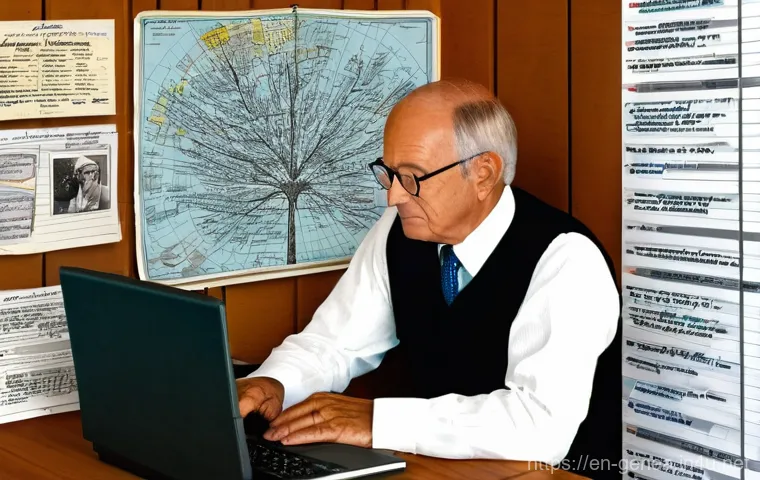
The First Spark: Why We Look Back
I remember the first time I really felt that pull to learn about my ancestors. It wasn’t some grand historical event; it was a simple moment, looking at a faded photograph of my great-grandmother holding a tiny, mischievous-looking cat.
I knew so little about her, just her name and that she lived in a small town in the Midwest. That curiosity gnawed at me, growing into a full-blown passion.
It’s a journey many of you might be familiar with – that quiet whisper urging you to connect with the past. For me, it wasn’t just about collecting names and dates; it was about understanding the human stories behind them, the lives lived, the challenges faced, the joys celebrated.
There’s something incredibly humbling and empowering about recognizing that you are a culmination of all those lives, that their resilience and spirit flow directly through your veins.
This initial spark is often what ignites a lifelong fascination, transforming a fleeting interest into a deeply personal quest for identity and belonging.
It makes you reflect on your own place in history, a tiny but vital link in an unbroken chain stretching back centuries. It’s truly a profound realization that reshapes your perspective on your own life’s narrative and purpose, anchoring you to something much larger than yourself in a beautifully intricate way.
Your Starting Point: Gathering the Whispers
So, you’ve felt that spark, right? Now, where do you even begin? Trust me, the sheer volume of information out there can feel a little overwhelming at first.
My best advice, and something I learned pretty quickly, is to start with what you already know – yourself! Gather birth certificates, marriage licenses, death records, and even old letters or diaries that might be tucked away in your family’s possession.
Talk to your oldest living relatives. Seriously, Grandma and Grandpa are treasure troves of information, often holding stories and facts that aren’t written down anywhere else.
I spent hours with my elderly aunt, scribbling notes as she recounted tales of her parents and grandparents, remembering tiny details I never would have found online.
These personal conversations not only fill in gaps but also add color and emotion to your growing family narrative, making the whole process incredibly intimate and rewarding.
Don’t underestimate the power of these family interviews; they often provide the vital clues that unlock entire branches of your family tree, pointing you towards specific places or events that can then be researched in official records.
It’s like being a detective, piecing together fragments from the closest sources before branching out into the wider world of historical data.
Decoding Your DNA: The Science Behind the Story
Beyond the Swab: What DNA Tests Really Tell Us
When I first decided to send off my DNA sample, I honestly didn’t know what to expect. Would it confirm what I already suspected? Would it throw me a curveball?
The results, when they finally came back, were fascinating, and honestly, a little humbling. It wasn’t just about percentages of ethnicity, though that was certainly cool to see (turns out I have a surprising amount of Scandinavian heritage!).
What truly blew me away were the potential family connections. Suddenly, I was seeing distant cousins I never knew existed, some just a few clicks away.
It’s a powerful feeling to realize that your genetic story extends far beyond your immediate family, connecting you to a vast network of individuals across the globe.
These tests, like those from AncestryDNA or 23andMe, analyze your unique genetic markers, comparing them to reference populations and other users. It’s not a magic wand, of course, and sometimes the results can be a little vague or require further genealogical research to make sense, but it undeniably provides an incredible launchpad for deeper exploration.
I’ve heard countless stories, and experienced some myself, where a DNA match has helped break through what genealogists call a “brick wall,” an ancestor you just couldn’t trace any further through traditional records.
The science behind it is complex, but the impact on our personal understanding of identity is profound. It’s a bridge to understanding genetic predispositions and migration patterns, bringing ancient history into a very personal light.
Navigating the Nuances: Understanding Your Genetic Blueprint
Okay, so you’ve got your DNA results in hand. Now what? This is where the real fun, and sometimes the real challenge, begins.
It’s not always as straightforward as “you are 50% Irish.” Genetic ethnicity estimates are just that – estimates. They’re based on current scientific understanding and the company’s reference populations, and they can sometimes change as more data becomes available.
I remember getting an update to my results a few years after my initial test, and while the core percentages remained, some of the smaller, trace ethnicities shifted slightly.
It’s also important to understand that DNA testing is a tool, not the entire answer. It provides clues and connections, but traditional genealogical research is often needed to confirm and build out the family relationships suggested by your DNA matches.
For instance, you might see a “fourth cousin” match, but without shared family trees and further investigation, it’s just a name. I’ve spent hours comparing family trees with newfound genetic relatives, often collaborating to solve shared ancestral mysteries.
This collaborative aspect is one of the most rewarding parts of the process, turning what could be a solitary pursuit into a shared adventure. It also means you need to be mindful of privacy settings and how your data is used.
Always read the terms and conditions carefully, and decide what level of sharing you’re comfortable with. It’s your genetic blueprint, after all, and you want to ensure your privacy is respected.
The Digital Dig: Unearthing Gems in Online Archives
Beyond Google: Specialized Genealogical Databases
Let me tell you, when I first started this journey, I thought “Google it!” would be my main strategy. And while Google is great for broad searches, the real gold in genealogy lies in specialized databases.
Websites like Ancestry.com and FamilySearch.org are absolute powerhouses. I’ve spent countless evenings deep-diving into their vast collections of birth, marriage, death, census, immigration, and military records.
It’s like having access to a library that spans the entire globe and centuries of human history, all from the comfort of your couch. What truly amazed me was finding records from tiny, obscure towns in Europe that I never thought would be digitized.
Each document, whether it’s an immigration manifest with an ancestor’s shaky signature or a census record detailing their occupation and neighbors, feels like a direct connection to their life.
The key is to be patient and persistent. Sometimes, a name might be misspelled, or a date might be slightly off. You need to think like a detective, trying different variations and searching for related family members.
I once spent days trying to find a great-great-grandfather, only to discover his name was consistently misspelled in census records. A small typo, but a huge roadblock until I figured it out!
These platforms also offer powerful search tools and often have community forums where you can ask for help or share discoveries.
Navigating the Labyrinth: Tips for Effective Online Research
The sheer volume of digital records can be overwhelming, right? So, how do you navigate this digital labyrinth efficiently without getting lost down too many rabbit holes?
My top tip, which I learned the hard way, is to organize your research from day one. Seriously, set up a consistent naming convention for files, create folders for different family lines, and use a research log to track what you’ve searched and what you’ve found (or haven’t found).
This saves *so* much time and prevents duplication of effort. Another game-changer for me was learning to use wildcards and advanced search filters on these genealogy sites.
Don’t just type in a name; try searching by location, approximate birth year, or even a spouse’s name if you’re stuck. I’ve often found ancestors by searching for their neighbors or witnesses on a document, as families often traveled and settled together.
Also, don’t forget local historical societies and university archives; many of them have digitized unique collections that aren’t yet on the major genealogy platforms.
I stumbled upon a collection of old local newspapers from my grandmother’s hometown, full of fascinating tidbits about community life and even mentions of my ancestors in social columns.
It’s about being resourceful, thinking outside the box, and remembering that every tiny piece of information can be a stepping stone to a bigger discovery.
| Resource Type | What You’ll Find | Top Platforms/Tips |
|---|---|---|
| DNA Testing Kits | Ethnicity estimates, genetic cousin matches, health insights (optional). | AncestryDNA, 23andMe, MyHeritage DNA. Compare features and database sizes. |
| Online Genealogy Databases | Birth, marriage, death records, census records, immigration lists, wills, military records, newspapers. | Ancestry.com, FamilySearch.org (free!), MyHeritage, Findmypast. Use wildcards and advanced search filters. |
| Local Archives & Libraries | Local histories, obituaries, cemetery records, yearbooks, property deeds, unique family papers not digitized online. | Contact local historical societies, public libraries, university special collections in ancestral areas. |
| Oral Histories & Family Stories | Personal anecdotes, unspoken traditions, family lore, details not found in official records. | Interview elderly relatives, record conversations, ask open-ended questions. Confirm with documentary evidence where possible. |
| Cemetery & Burial Records | Dates of birth/death, relationships, military service, sometimes maiden names. | FindAGrave.com, BillionGraves.com, local cemetery offices. Can provide crucial “brick wall” clues. |
Crafting Your Narrative: From Facts to Family Tales
Beyond Dates and Names: Giving Voice to Your Ancestors
Once you’ve collected all those incredible records – the birth certificates, census entries, and passenger lists – it’s easy to get caught up in the pure data.
But for me, the magic truly happens when you start to breathe life into those facts. It’s about asking: *What was their life really like? What challenges did they face?
What hopes and dreams did they carry?* I remember discovering my third great-grandmother was a domestic servant who immigrated alone from Ireland during the Famine.
That single fact, combined with records of her humble living situation, painted such a vivid picture of her courage and resilience. It wasn’t just a line in a database; it was a woman, making an incredibly difficult decision for a chance at a better life.
This is where you get to become the storyteller, weaving together the disparate threads of information into a rich tapestry. Read up on the historical context of the times and places your ancestors lived.
What were the major events? What was daily life like? Understanding the broader historical landscape can provide invaluable insights into their personal experiences, allowing you to infer motivations and imagine scenarios that bring them to life.
This qualitative aspect of genealogy transforms it from a mere data collection exercise into a deeply empathetic exploration of human experience, connecting you to the shared human struggles and triumphs across centuries.
Sharing Your Story: Connecting Past and Present
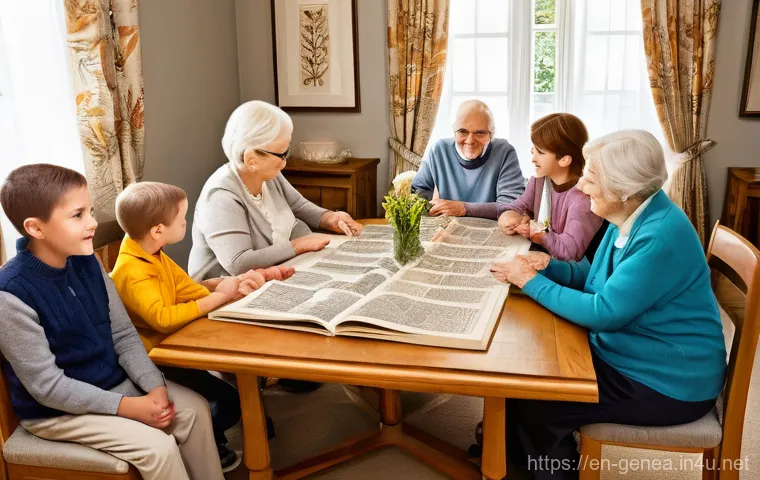
So you’ve done the detective work, you’ve started to understand their lives – now what? The next step, and perhaps one of the most rewarding, is sharing your discoveries.
This isn’t just about showing off; it’s about preserving these stories for future generations and helping others connect with their own past. There are so many creative ways to do this!
You could create a physical family history book, complete with photos and document reproductions. Or, in our digital age, you could build a private family website or blog, share interactive family tree links, or even create short video documentaries.
I recently helped my cousin create a digital scrapbook for her kids, featuring stories and images of their ancestors, presented in a fun, engaging way.
Seeing their eyes light up as they learned about a great-great-uncle who was a cowboy was incredibly satisfying. It’s not just about conveying information; it’s about inspiring a sense of belonging and continuity within your family.
Think about how you’d want *your* story to be remembered and shared. This act of preservation and dissemination ensures that the lessons, the struggles, and the triumphs of those who came before us continue to resonate, strengthening family bonds and providing a tangible connection to our collective human journey.
It truly becomes a living legacy, enriching the lives of those who come after you by giving them a profound sense of their own historical roots.
Echoes Through Generations: Honoring Your Heritage with Rituals
More Than Memories: The Power of Ancestral Rituals
For me, genealogy isn’t just about uncovering the past; it’s about making it meaningful in the present. This is where ancestral rituals come in. These aren’t necessarily grand, formal ceremonies; they can be as simple and personal as lighting a candle for a loved one on their birthday or visiting a family grave site.
I started a small tradition of cooking my grandmother’s favorite dish on the anniversary of her passing. As I chop the vegetables and stir the pot, I feel a tangible connection to her, almost as if she’s right there in the kitchen with me.
These rituals, whether personal or cultural, serve a profound purpose: they keep the memory of our ancestors alive, acknowledging their impact on our lives and demonstrating our respect and gratitude.
They provide a space for remembrance, reflection, and connection, grounding us in our shared history. It’s about consciously bringing their legacy into our daily lives, transforming abstract historical facts into deeply felt emotional experiences.
From the elaborate Day of the Dead altars in Mexico, vibrant with marigolds and offerings, to the quiet moments of reflection many families share around old photographs, these practices affirm that love and connection transcend the boundaries of time and mortality.
They are not just acts of remembrance, but active engagements that nourish our souls and strengthen our sense of identity.
Creating Your Own Traditions: Modern Ways to Connect
You don’t have to stick to ancient, prescribed rituals if they don’t resonate with you. The beauty of honoring your ancestors is that you can create traditions that are uniquely meaningful to *you* and your family.
Have you ever considered setting up a “family memory jar” where everyone can write down anecdotes or qualities they remember about an ancestor? Or perhaps creating a digital memorial using old photos and videos?
My family has started a tradition of sharing a “story of the ancestor” during Thanksgiving dinner. Each person picks an ancestor they’ve learned about and shares a brief, interesting tidbit.
It’s become a highlight of our gathering, fostering a shared sense of history and making our ancestors feel like part of the celebration. Another idea I’ve seen beautifully executed is creating a “legacy garden,” planting flowers or trees in honor of specific family members.
Every time the blooms appear, it’s a living reminder of their enduring presence. The key is intentionality – taking a moment, even a small one, to acknowledge and appreciate those who came before us.
These modern, personalized rituals are not just about looking back; they’re about actively building continuity, fostering a sense of identity, and weaving the past into the fabric of our present and future lives.
They help us to consciously carry forward the torch of our heritage, enriching our own lives and those of our children, ensuring the lineage of memory continues to flourish.
Building Your Family’s Time Capsule: Preserving for Posterity
Safeguarding Your Discoveries: Digital and Physical Storage
After all that incredible work—the digging, the decoding, the storytelling—the last thing you want is for your precious discoveries to get lost or damaged.
Think of your genealogical research as creating a time capsule for future generations. I’ve personally experienced the heartbreak of losing old family photos due to neglect, and trust me, it’s a powerful lesson in the importance of preservation.
For physical documents and photos, proper archival storage is crucial. This means acid-free sleeves, archival boxes, and keeping them in a stable environment away from extreme temperatures and humidity.
Don’t laminate precious documents, as this can damage them over time! For your digital files – all those scans, research logs, and written narratives – a robust backup strategy is non-negotiable.
I use a combination of cloud storage (like Google Drive or Dropbox) and an external hard drive. This redundancy ensures that even if one system fails, your data is safe.
Imagine spending years meticulously building your family tree, only to lose it all to a hard drive crash! It’s a nightmare scenario, so invest in good backup practices.
Also, consider creating multiple copies of your family tree software files or online tree exports. The goal is to ensure that your painstaking efforts will endure, providing a clear and accessible record for the generations yet to come, a true testament to their origins.
Passing the Torch: Educating the Next Generation
What’s the point of uncovering all this amazing family history if it just stops with you? One of the most fulfilling parts of this journey, I’ve found, is sharing it with the younger members of my family.
It’s about passing the torch, sparking that same curiosity in them, and giving them a deeper understanding of where they come from. I’ve tried to make it engaging, not just a lecture.
Instead of just showing them a family tree, I’ve pulled out old photos and told them stories about the people in them – their quirks, their adventures, their challenges.
We’ve even taken trips to ancestral towns or cemeteries, turning history into a tangible, immersive experience. My niece absolutely loves hearing about her great-grandmother’s life on a farm, complete with tales of mischievous chickens.
It creates a personal connection that a dry list of names simply can’t achieve. Think about creating a simplified version of your family tree for kids, perhaps with pictures, or even a scavenger hunt using family facts.
The goal is to make it fun, relatable, and inspiring, so they feel a personal stake in their heritage. By engaging them now, you’re not just sharing information; you’re instilling a sense of identity, continuity, and an appreciation for the rich tapestry of stories that form their own unique foundation.
They become the future custodians of these precious legacies, ensuring the stories and connections continue to thrive.
Wrapping Things Up
And there you have it, fellow history detectives! This journey into your family’s past isn’t just about dusty records or abstract dates; it’s a profoundly personal quest that connects you to generations gone by, enriching your understanding of who you are and where you come from. I truly believe that every discovery, big or small, adds another vibrant thread to the rich tapestry of your personal narrative. It’s a continuous adventure, one that often brings unexpected revelations and deep emotional connections. Remember, you’re not just uncovering facts; you’re bringing stories to life, honoring the resilience and spirit of those who paved the way for you. So, keep digging, keep questioning, and most importantly, keep sharing these invaluable legacies with the world.
Handy Info You’ll Be Glad You Knew
1. Start with what you already have: Before diving into expensive services, gather all existing family documents, photos, and most importantly, talk to your oldest relatives. Their memories are irreplaceable and often hold the keys to unlocking major genealogical breakthroughs. It’s like striking gold in your own backyard!
2. Organization is your best friend: Trust me on this one – a consistent system for naming files, organizing documents, and tracking your research will save you countless headaches down the line. Whether it’s digital folders or physical binders, get organized from day one to keep your discoveries manageable and accessible for future reference.
3. Combine DNA and document research: While DNA tests are incredible for breaking down “brick walls” and finding new relatives, they’re not a standalone solution. Use genetic clues to guide your traditional document research, and vice-versa, to build a truly robust and verified family tree. It’s the ultimate detective duo!
4. Patience and persistence are paramount: Genealogy is rarely a straight line; expect detours, dead ends, and moments of sheer frustration. Don’t be discouraged by misspellings, missing records, or seemingly impossible gaps. Often, a fresh perspective or a different search strategy can illuminate the path forward, so take breaks and come back to it with renewed energy.
5. Preserve and share your findings: Your research is a priceless legacy! Ensure your physical documents are stored archivally and your digital files are backed up rigorously. Then, make it a point to share your stories with family members, especially the younger generation, to ignite their own curiosity and ensure these narratives continue to live on.
Key Takeaways
Embarking on your ancestral adventure is a deeply rewarding journey that blends personal experience, scientific insight, and historical detective work. By meticulously gathering family stories, utilizing advanced DNA testing, and navigating vast digital archives, you can uncover the intricate tapestry of your heritage. Remember, it’s not just about collecting names and dates; it’s about giving voice to your ancestors, understanding their struggles and triumphs, and ultimately, connecting their past to your present. Preserve your discoveries carefully and, most importantly, share these invaluable stories to inspire and enlighten future generations, ensuring their legacy endures.
Frequently Asked Questions (FAQ) 📖
Q: How do I even begin to uncover my family tree, especially if I feel like I’m starting from scratch?
A: Oh, I totally get that feeling! When I first dipped my toes into genealogy, it felt like staring at a massive, tangled ball of yarn. But honestly, the best place to start, and one I always recommend, is with what you already know and the people you can talk to right now.
Your living relatives are a goldmine! Grab a cup of coffee with your parents, grandparents, aunts, and uncles, and just listen to their stories. Ask them about their parents, where they grew up, funny family anecdotes, and any old photographs or documents they might have tucked away.
You’d be amazed at the little clues they can offer, like a maiden name or a town name, that can unlock huge branches of your tree. I remember my grandma mentioning a “Cousin Agnes who lived near a big lake,” and that seemingly small detail led me to an entire branch of my family I never knew existed!
Once you’ve chatted with your family, then it’s time to dive into the digital world. Platforms like Ancestry.com and FamilySearch.org are fantastic for beginners.
FamilySearch is free and has an incredible amount of digitized records, while Ancestry has a massive community and user-submitted trees that can help you connect the dots.
Start by entering the information you gathered from your relatives and see what “hints” pop up. It’s like a detective game, and trust me, it’s incredibly addictive once you get going!
The key is to start small, be patient, and enjoy the process of bringing those names and dates to life.
Q: Are those consumer DN
A: tests really worth it for genealogy, and how accurate are they in tracing my family’s heritage? A2: This is a question I get asked all the time! And from my own experience, I’d say yes, they absolutely can be worth it, but with a few things to keep in mind.
My own journey with a DNA kit was pretty eye-opening! I learned about a small percentage of Scandinavian heritage I had no idea about, which then spurred me to research that specific region more deeply.
Most consumer DNA tests, like those from AncestryDNA or 23andMe, primarily offer two types of insights: ethnicity estimates and DNA matches. The ethnicity estimates give you a breakdown of your genetic heritage, showing percentages from different regions worldwide.
While these are generally quite accurate at a continental level, the more granular regional estimates can sometimes be a bit broad or shift slightly as the companies refine their reference populations.
Think of it as a good starting point to point you in general directions for research. Where these tests really shine for genealogy, in my opinion, is with the DNA matches.
These are other people who have taken the same test and share DNA with you, indicating a common ancestor. This can be an incredibly powerful tool for breaking through “brick walls” in your research, helping you find previously unknown relatives, or even confirming family lines you’ve been working on.
Just be prepared for potential surprises! I’ve heard countless stories, and even experienced a minor one myself, where people discovered unexpected family connections.
It’s an exciting, albeit sometimes surprising, layer to add to your ancestral quest.
Q: Beyond just collecting names and dates, how can I genuinely connect with and honor my ancestors in a meaningful way?
A: You’ve hit on such an important point here, and it’s something I’m incredibly passionate about! Genealogy isn’t just a dry list of facts; it’s about connecting with the human story of those who came before us.
For me, one of the most powerful things has been moving beyond the records and finding ways to bring their lives into my life. One beautiful way to connect is through storytelling.
Once you uncover a story about an ancestor – perhaps their immigration journey, a challenge they overcame, or even just their favorite recipe – share it!
Tell your children, write it down in a journal, or even create a simple blog post. Keeping their stories alive is a profound form of remembrance. I started a family cookbook where I collect old recipes and include a small story about the ancestor who used to make it.
Every time I cook one, I feel an incredible connection. Another deeply personal approach is to engage in ancestral rituals, which don’t have to be formal or religious.
It can be as simple as visiting the place where an ancestor lived, walking in their footsteps, or even planting a tree in their memory. Some people find solace in creating a small family altar with photos and mementos.
For me, it’s often about taking a moment on their birth or death anniversary to quietly reflect on their life and the legacy they passed down to me. Think about what feels authentic to you.
Is it lighting a candle, looking at old photographs, or just spending time in nature thinking about them? The goal is to create a personal space for remembrance and gratitude, keeping their spirit and influence alive in your present.
It’s about feeling that thread of continuity, knowing you’re part of something much bigger and older than yourself.