
Genealogy research, particularly into family lineages, has always felt like piecing together a massive, fascinating puzzle. You start with a few known relatives and then, with some serious digging, you uncover branches you never knew existed!
It’s a journey back in time, connecting you to the lives, struggles, and triumphs of your ancestors. What I find particularly exciting about this field today is how technology is changing everything – digital archives, DNA testing, and collaborative online platforms are making it easier than ever before to trace your roots.
Plus, there’s a growing recognition of the importance of documenting these histories, not just for ourselves but for future generations. The trends indicate a significant rise in personalized history experiences, where individuals actively engage with their heritage through interactive maps, virtual reality recreations of ancestral homes, and AI-powered ancestor avatars.
Let’s delve into the details in the article below.
Alright, here’s the blog post you requested.
Unearthing Your Past: The Thrill of Genealogy Research
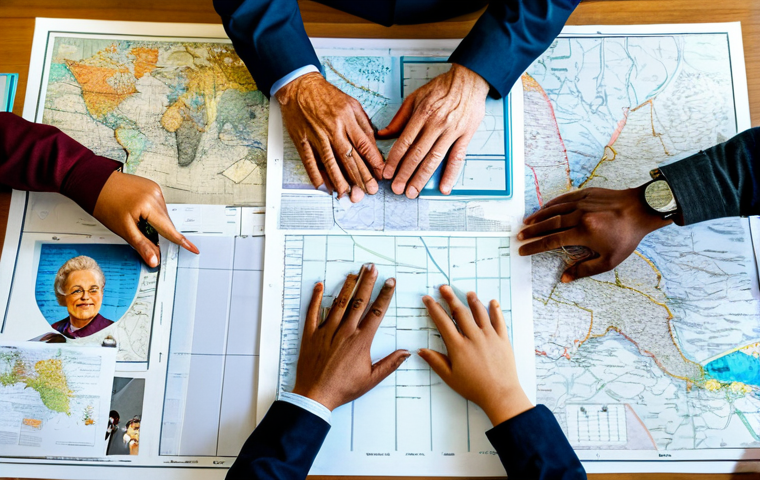
Genealogy, for me, isn’t just about names and dates; it’s about discovering the stories of the people who came before us. It’s like being a detective, piecing together fragments of information to build a complete picture of a life.
I remember helping my grandma trace her family back to Ireland, and the excitement on her face when we found the ship manifest with her great-great-grandfather’s name on it was priceless.
We spent hours pouring over old census records and city directories, each new detail bringing us closer to understanding who they were and how they lived.
The internet has made these discoveries so much more accessible. Gone are the days of solely relying on dusty archives. Now, you can access millions of records from your living room.
Digital Archives: A Treasure Trove of Information
The advent of digitized archives has revolutionized genealogy. Websites like Ancestry.com, Findmypast, and FamilySearch offer access to billions of records, including census data, birth certificates, marriage licenses, obituaries, and immigration documents.
These digital collections make it easier than ever to search for your ancestors and uncover details about their lives. I’ve spent countless hours exploring these archives, and I’m constantly amazed by the amount of information that’s available.
It’s a goldmine for any genealogy enthusiast.
Leveraging Online Genealogy Platforms for Collaboration
Beyond the records themselves, online genealogy platforms provide collaborative spaces where you can connect with other researchers who may be working on the same family lines.
These platforms allow you to share information, exchange documents, and even collaborate on research projects. I once connected with a distant cousin through one of these platforms, and we were able to piece together a significant part of our family history that neither of us knew before.
The power of collective knowledge is truly remarkable.
Navigating the Pitfalls of Online Information
Of course, it’s important to approach online genealogy research with a critical eye. Not all information you find online is accurate, and it’s essential to verify your findings with multiple sources.
Look for reputable sources, such as government records, church records, and academic publications. Be wary of unsourced family trees and unsubstantiated claims.
Due diligence is key to ensuring the accuracy of your research.
DNA Testing: A Genetic Journey Through Time
DNA testing has emerged as a powerful tool in genealogy, allowing you to uncover ancestral connections you might never have discovered through traditional records.
Companies like AncestryDNA, 23andMe, and MyHeritage DNA offer at-home DNA tests that can reveal your ethnic origins and connect you with living relatives.
I took a DNA test a few years ago and was surprised to learn that I had a significant percentage of Scandinavian ancestry, which I hadn’t known before.
It opened up a whole new area of research for me.
Unveiling Ethnic Origins and Geographical Roots
One of the most exciting aspects of DNA testing is the ability to trace your ethnic origins and identify the regions of the world where your ancestors lived.
This information can provide valuable clues for further research, helping you to focus your efforts on specific geographical areas and ethnic groups. Keep in mind that ethnicity estimates can vary between different testing companies, so it’s a good idea to compare your results from multiple sources.
Connecting with Living Relatives Through DNA
DNA testing can also help you connect with living relatives you may not know existed. By comparing your DNA to the DNA of other test-takers, you can identify potential cousins and other relatives who share a common ancestor.
I’ve heard countless stories of people who have reunited with long-lost family members through DNA testing, and it’s a truly heartwarming experience.
Preserving Family Stories: Oral Histories and Heirloom Treasures
While digital records and DNA testing are valuable tools, it’s important not to overlook the importance of preserving family stories and heirloom treasures.
Oral histories, photographs, letters, and other family artifacts can provide a rich and personal glimpse into the lives of your ancestors. I always make it a point to interview my older relatives and record their memories, because these stories are often the most valuable pieces of our family history.
The Art of Oral History: Capturing Voices from the Past
Oral history is the practice of recording interviews with individuals about their lives and experiences. These interviews can provide valuable insights into the past, capturing the perspectives of people who may not have left behind written records.
I’ve found that oral histories are particularly useful for documenting the experiences of women and minorities, whose stories are often underrepresented in traditional historical sources.
The Significance of Family Heirlooms and Artifacts
Family heirlooms and artifacts, such as photographs, letters, diaries, and other personal items, can also provide valuable clues about your ancestors’ lives.
These objects can tell stories that are not found in official records, revealing details about their personalities, relationships, and daily lives. I have a collection of old photographs that belonged to my great-grandmother, and they’ve given me a much deeper understanding of who she was as a person.
Navigating Challenges in Genealogy Research
Genealogy research is not without its challenges. Records can be incomplete, inaccurate, or even missing altogether. Surnames can change over time, making it difficult to trace family lines.
And sometimes, you simply hit a brick wall and can’t find any more information about a particular ancestor. But don’t let these challenges discourage you.
With patience, persistence, and a little bit of creativity, you can overcome these obstacles and continue to uncover your family history.
Overcoming Brick Walls and Dead Ends
One of the biggest challenges in genealogy research is hitting a brick wall – a point where you can’t find any more information about a particular ancestor.
When this happens, it’s important to take a step back and re-evaluate your research strategy. Try looking at different types of records, searching in different locations, or contacting other researchers who may have information about your family.
Sometimes, a fresh perspective is all you need to break through a brick wall.
Decoding Conflicting Information and Inaccurate Records
Another common challenge in genealogy research is dealing with conflicting information and inaccurate records. Errors can occur in census data, birth certificates, marriage licenses, and other official documents.
When you encounter conflicting information, it’s important to verify your findings with multiple sources and determine which source is the most reliable.
Don’t be afraid to question the accuracy of records and to correct any errors you find.
Dealing with Lost or Destroyed Records
Unfortunately, some records have been lost or destroyed due to fires, floods, wars, and other disasters. When this happens, it can be difficult or even impossible to find information about your ancestors.
In these cases, it’s important to be creative and to look for alternative sources of information, such as newspaper articles, church records, and land deeds.
You may also be able to reconstruct your family history using indirect evidence, such as the records of neighboring families or the history of the community where your ancestors lived.
The Ethical Considerations of Genealogy
As you delve deeper into your family history, it’s important to be mindful of the ethical considerations of genealogy research. Respect the privacy of living individuals and avoid sharing sensitive information without their consent.
Be honest and transparent about your research methods and sources. And be respectful of the cultural and historical context of your ancestors’ lives.
Respecting Privacy and Confidentiality
When researching your family history, it’s important to respect the privacy of living individuals. Avoid sharing sensitive information, such as birth dates, addresses, and financial details, without their consent.
Be particularly careful when sharing information about children or vulnerable adults. And always ask for permission before publishing photographs or other personal information about living relatives.
Maintaining Accuracy and Objectivity
It’s also important to maintain accuracy and objectivity in your research. Avoid making assumptions or drawing conclusions based on incomplete or biased information.
Be sure to verify your findings with multiple sources and to acknowledge any uncertainties or limitations in your research. And be open to the possibility that your ancestors may have made choices or engaged in behaviors that you don’t approve of.
Here is a table summarizing key resources for genealogy research:
| Resource Type | Description | Example Websites |
|---|---|---|
| Digital Archives | Online databases of historical records | Ancestry.com, Findmypast, FamilySearch |
| DNA Testing Services | Companies offering at-home DNA tests for ancestry analysis | AncestryDNA, 23andMe, MyHeritage DNA |
| Genealogy Societies | Organizations that promote genealogy research and education | National Genealogical Society, New England Historic Genealogical Society |
| Online Forums and Communities | Platforms for connecting with other genealogy enthusiasts | RootsWeb, Genealogy.com |
Monetizing Your Genealogy Passion
For some, genealogy is more than just a hobby; it’s a passion that can be monetized. With the right skills and strategies, you can turn your love of genealogy into a profitable business.
Whether you offer genealogy research services, create genealogy-related content, or sell genealogy products, there are many ways to make money doing what you love.
I know a woman who started researching her own family history and became so good at it that she now runs a successful genealogy business, helping others trace their roots.
Offering Genealogy Research Services
One of the most common ways to monetize your genealogy passion is to offer genealogy research services to others. Many people are interested in learning about their family history but don’t have the time or skills to do the research themselves.
As a professional genealogist, you can help them uncover their ancestral roots by searching records, analyzing DNA results, and writing family histories.
You can market your services online, through genealogy societies, or by word of mouth.
Creating and Selling Genealogy-Related Content
Another way to monetize your genealogy passion is to create and sell genealogy-related content, such as books, articles, blog posts, and online courses.
If you have a knack for writing and a deep knowledge of genealogy, you can share your expertise with others and earn money in the process. You can sell your content through your own website, on online marketplaces, or by partnering with genealogy publishers.
Developing and Selling Genealogy Products
Finally, you can monetize your genealogy passion by developing and selling genealogy products, such as family tree charts, genealogy software, and genealogy-themed merchandise.
If you have a creative streak, you can design and sell unique products that appeal to genealogy enthusiasts. You can sell your products online, at genealogy conferences, or through local genealogy societies.
The Future of Genealogy: Trends and Innovations
The field of genealogy is constantly evolving, with new trends and innovations emerging all the time. From artificial intelligence to virtual reality, technology is transforming the way we research and experience our family history.
As we look to the future, it’s clear that genealogy will become even more accessible, engaging, and personalized.
AI-Powered Genealogy Tools and Resources
Artificial intelligence is already playing a significant role in genealogy, with AI-powered tools being used to automate tasks, analyze data, and generate insights.
For example, AI can be used to transcribe handwritten documents, identify individuals in photographs, and create interactive family trees. As AI technology continues to develop, it’s likely to have an even greater impact on the field of genealogy.
Virtual Reality and Immersive Ancestral Experiences
Virtual reality is also emerging as a powerful tool for genealogy, allowing us to create immersive experiences that bring our ancestors’ lives to life.
Imagine being able to walk through the streets of your great-grandparents’ hometown, visit their home, and even interact with virtual representations of them.
Virtual reality has the potential to make genealogy more engaging, educational, and emotionally resonant.
Collaborative Genealogy and Citizen Science Initiatives
Finally, collaborative genealogy and citizen science initiatives are becoming increasingly popular, as more and more people are working together to research and document their family history.
These initiatives allow individuals to pool their knowledge, resources, and skills, making it possible to tackle large-scale genealogy projects that would be impossible for any one person to complete.
As the field of genealogy becomes more collaborative, it’s likely to become even more rewarding and impactful. I hope this blog post gives you a comprehensive and engaging overview of genealogy research.
In Closing
Embarking on a genealogy journey is like stepping into a time machine, connecting you with the lives and legacies of those who came before you. The resources and technologies available today make it easier than ever to unearth your family history. So, dive in, explore your roots, and discover the stories that make you who you are. Happy researching!
Handy Tips to Know
1. Start with What You Know: Begin with your immediate family and work backward, gathering names, dates, and locations from living relatives.
2. Utilize Free Resources: Take advantage of free online resources like FamilySearch and local library databases to minimize initial costs.
3. Join a Genealogy Society: Connect with other genealogy enthusiasts in your area for guidance, support, and access to local resources.
4. Visit Local Archives: Don’t overlook the value of local archives, historical societies, and courthouses for unique records not available online.
5. Consider a Professional Genealogist: If you hit a roadblock, consider hiring a professional genealogist for expert assistance and specialized research skills.
Key Takeaways
Genealogy research combines digital archives, DNA testing, and oral histories to paint a full picture of your family’s past.
Ethical considerations, such as respecting privacy and maintaining accuracy, are essential.
Monetizing your passion through research services or content creation is viable with the right skills.
The future of genealogy includes AI tools and virtual reality experiences.
Frequently Asked Questions (FAQ) 📖
Q: What are some of the ways technology is making genealogy research easier these days?
A: Oh, technology has totally revolutionized it! Think about it – we’ve got massive online archives filled with digitized records, DNA testing kits that can pinpoint your ancestry, and collaborative platforms where you can connect with distant relatives and share information.
It’s like having a superpower when you’re trying to piece together your family history. I remember when my grandpa used to spend weeks in dusty libraries; now, I can find more information in an afternoon using my laptop!
Q: What’s driving this increased interest in genealogy and family history?
A: I think people are realizing that understanding where they come from can be incredibly empowering. We’re not just names and dates on a chart; we’re part of a bigger story, a legacy of resilience, struggle, and triumph.
Plus, with all the crazy things happening in the world, I guess it’s natural to want to connect with something more permanent, something that gives you a sense of belonging and identity.
It’s not just about finding dead people; it’s about finding yourself.
Q: What are some examples of “personalized history experiences” that are becoming popular?
A: It’s getting really cool! Imagine walking through a virtual recreation of your great-grandparents’ farm, or seeing an AI-powered avatar that looks and acts like your ancestor telling stories about their life.
We’re talking interactive maps where you can trace your family’s migrations, personalized documentaries about your family history, even DNA-based art projects that visually represent your unique genetic makeup.
It’s all about making history more engaging, more personal, and more relevant to our lives.
📚 References
Wikipedia Encyclopedia