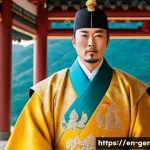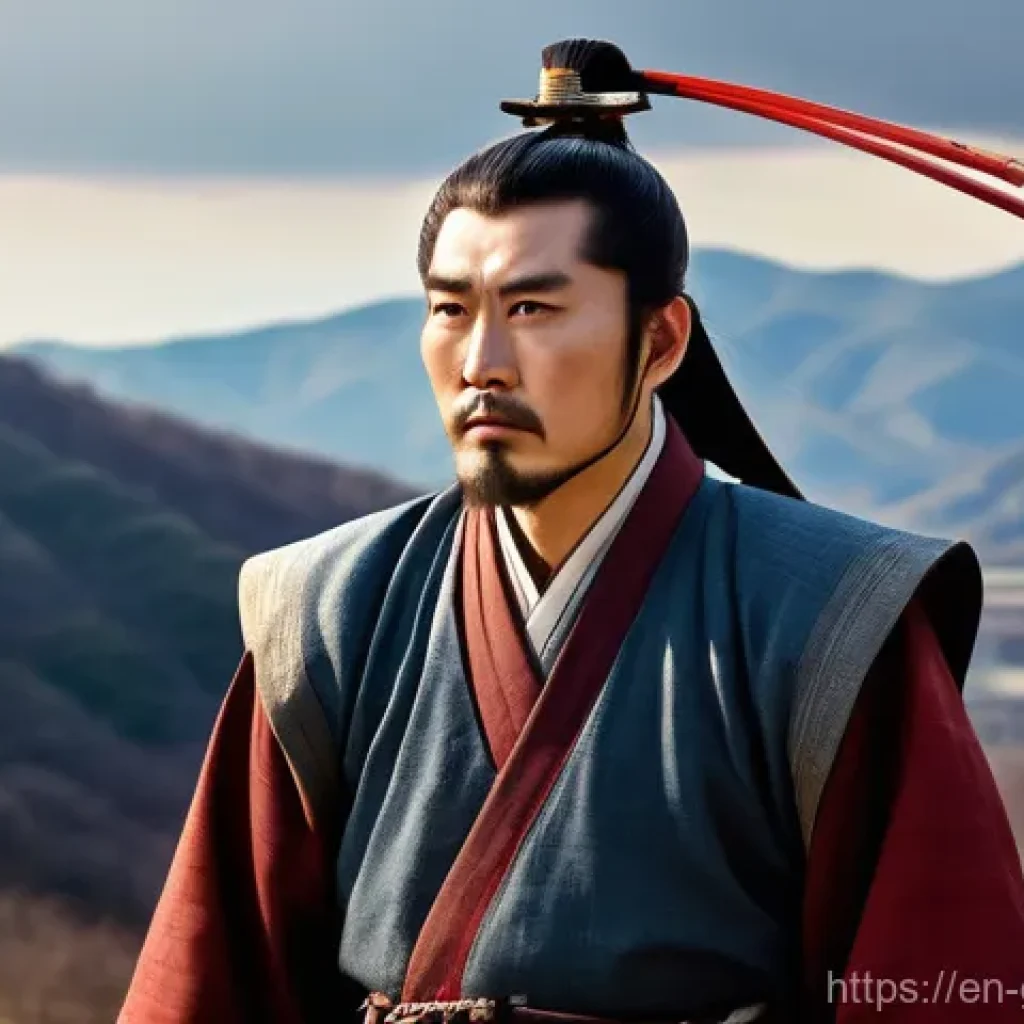
There’s a unique thrill, wouldn’t you agree, in tracing the threads of ancient royal lineages? It’s not just about dusty old names and dates; it’s about uncovering the incredible human stories, the triumphs, the betrayals, and the immense power struggles that truly forged nations.
I’ve personally found myself utterly engrossed by the sophisticated yet fiercely resilient kingdom of Goguryeo, an ancient East Asian powerhouse whose influence stretched far and wide.
Their royal family, often overshadowed in Western historical narratives, was the very heartbeat of this formidable empire, navigating complex succession disputes and diplomatic maneuvers that shaped its destiny.
Understanding their intricate genealogy offers us an unparalleled window into the strategic brilliance and cultural depth of a civilization that left an indelible mark on history, inspiring new perspectives on power and legacy that resonate even today.
If you’re ready to dive deep into the fascinating saga of Goguryeo’s monarchs and the empire they built, let’s unveil their incredible family tree together.
There’s a unique thrill, wouldn’t you agree, in tracing the threads of ancient royal lineages? If you’re ready to dive deep into the fascinating saga of Goguryeo’s monarchs and the empire they built, let’s unveil their incredible family tree together.
The Mythic Dawn: Forging a Dynasty from the Heavens

Unraveling the Legend of Jumong
Oh, where to even begin with the captivating tale of Goguryeo’s founder, King Dongmyeong, better known as Jumong? It’s a story that’s steeped in legend and feels straight out of an epic fantasy novel, which honestly just makes it all the more compelling for me.
Imagine a child born from an egg, a divine being whose archery skills were legendary even as a youth! This wasn’t just a bedtime story; for the people of Goguryeo, it was the very foundation of their identity, a narrative that imbued their monarchy with a sacred, almost otherworldly legitimacy.
I always find it fascinating how founding myths like Jumong’s aren’t just quaint old stories; they’re powerful tools for nation-building, solidifying belief in a ruler’s right to lead and inspiring loyalty among the populace.
This myth wasn’t just about a hero; it was about destiny, about a chosen people led by a chosen king. It tells us so much about their values and how they viewed their place in the world.
The Birth of a Kingdom: From Humble Beginnings to Grand Ambition
But beyond the celestial origins, the actual establishment of Goguryeo was a monumental feat of human will and strategic brilliance. Jumong, facing rivalry and hostility in his homeland, led a group of followers south, demonstrating an incredible spirit of leadership and resilience.
They settled in a rugged, mountainous region, which might seem like a disadvantage, but it actually became a strategic stronghold, perfect for defending against larger, more established powers.
I mean, talk about making lemons into lemonade, right? This wasn’t some gentle annexation; it was the audacious birth of a new power, carved out of sheer determination.
The early Goguryeo kings, following Jumong’s footsteps, had to constantly prove their strength and cunning, battling neighboring tribes and nascent states.
It’s truly inspiring to think about how these initial, relatively small steps laid the groundwork for an empire that would dominate East Asia for centuries.
They truly built something from the ground up, with vision and unwavering courage.
Warriors and Diplomats: The Early Kings Who Secured Goguryeo’s Place
Navigating Peril: Early Conflicts and Strategic Alliances
The early years of any kingdom are always the most precarious, and Goguryeo was no exception. It was a time of constant threats, where survival hinged on a delicate balance of military might and diplomatic finesse.
The kings during this period weren’t just figureheads; they were shrewd strategists who understood that not every battle could be won with a sword. Sometimes, the pen was indeed mightier.
They formed alliances, leveraged rivalries between their neighbors, and knew precisely when to show force and when to extend a hand in friendship. I often think about the immense pressure these early monarchs must have faced – one wrong move could have meant the end of everything they had fought to build.
It’s a testament to their political acumen that they not only survived but steadily grew their influence, laying the essential groundwork for future generations to expand upon.
It wasn’t glorious conquest every day, but painstaking, calculated moves to ensure their very existence.
Expanding Borders: The Foundation of Military Might
As the kingdom matured, its military prowess became undeniable. The early kings were obsessed with building a formidable fighting force, understanding that territorial expansion was key to long-term prosperity and security.
And let me tell you, they weren’t messing around! Goguryeo warriors were renowned for their archery, cavalry, and innovative siege tactics. They didn’t just defend their borders; they pushed them, steadily annexing smaller states and tribes, integrating new populations and resources into their burgeoning empire.
This wasn’t just about raw power; it was about disciplined training, strategic fortifications, and a clear vision for growth. I can only imagine the sheer willpower and logistical genius it took to organize such campaigns in ancient times.
From what I’ve seen, this focus on a strong military wasn’t just for defense; it was deeply ingrained in their culture, a source of national pride and a constant reminder of their royal family’s ability to protect and expand their realm.
It really underscores how foundational their martial tradition was to their royal identity.
The Golden Age: Unpacking the Reigns of Legendary Conquerors
Gwanggaeto the Great: A Visionary Conqueror’s Legacy
When we talk about Goguryeo’s zenith, one name inevitably shines brightest: Gwanggaeto the Great. Honestly, just hearing his name gives me chills – it practically screams “conqueror”!
His reign was nothing short of spectacular, an era of unprecedented military expansion that saw Goguryeo’s territory stretch across vast swathes of Manchuria and the Korean Peninsula.
I’ve often thought about what it must have been like to live during his time, witnessing such rapid and decisive victories. He wasn’t just a warrior; he was a brilliant administrator who consolidated these new territories, reorganized the military, and even promoted cultural development.
His stele, a massive monument detailing his achievements, isn’t just a historical artifact; it’s a testament to his ambition and the sheer scale of his accomplishments.
For me, Gwanggaeto embodies the peak of Goguryeo’s imperial might, a monarch whose vision transformed a powerful kingdom into a true empire, leaving an indelible mark on the geopolitical landscape of East Asia.
King Jangsu: Cementing an Empire’s Dominance
Following in the colossal footsteps of his father, Gwanggaeto, was King Jangsu, a monarch whose reign was perhaps even more strategically profound. While Gwanggaeto expanded, Jangsu solidified.
He reigned for an astonishing 79 years, an incredible feat in itself, during which he shifted Goguryeo’s capital further south, a move that boldly asserted his dominance over the southern kingdoms and signified a new phase of expansion.
I always marvel at the long-term vision required for such a decision. This wasn’t a sudden whim; it was a calculated move to position Goguryeo at the heart of the Korean Peninsula, projecting power in every direction.
His diplomatic efforts were just as impressive, maintaining complex relationships with Northern Wei in China and the southern Korean kingdoms, often playing them against each other to Goguryeo’s advantage.
It’s easy to get lost in the military victories, but Jangsu’s legacy truly highlights the importance of sustained political stability and astute diplomacy in maintaining an empire.
He wasn’t just holding ground; he was strategically reshaping the region.
Succession’s Shadow: Power Plays and Royal Intrigue
The High Stakes of the Throne: Brotherhood and Betrayal
You know, even in the grandest empires, the struggle for power within the royal family is often the most dramatic and brutal. Goguryeo was no stranger to this.
The stakes were impossibly high – the throne wasn’t just a symbol; it represented absolute power, divine mandate, and the destiny of a nation. I’ve read countless accounts of brothers turning against brothers, ambitious relatives plotting in the shadows, and loyalties being tested to their breaking point.
These weren’t mere squabbles; they were often violent, bloody affairs that could destabilize the entire kingdom if not handled decisively. Think about it: the very people who were supposed to be closest to the king, his family, were often his greatest threats.
This kind of intense, personal drama is what truly humanizes history for me. It shows that even the most powerful families were subject to the same human flaws of greed, ambition, and fear, just on a much grander, more impactful scale.
Whispers in the Court: Shaping the Future Through Conflict
The court of Goguryeo was undoubtedly a hotbed of political maneuvering, where whispers could turn into thunderous pronouncements and alliances shifted like desert sands.
Succession wasn’t always a smooth, clear path, especially if a king died unexpectedly or left multiple ambitious heirs. Powerful factions within the aristocracy, often tied to different branches of the royal family, would rally behind their preferred candidate, turning the succession into a dangerous game of chess.
I imagine the tension in those royal halls, the careful plotting, the constant vigilance against enemies both foreign and domestic. These internal struggles, while sometimes disruptive, also forced the royal family to be constantly adaptable, to forge strong alliances, and to prove their worth.
It’s a powerful reminder that while a strong military was essential, the ability to command loyalty and navigate complex internal politics was just as crucial for the long-term survival and prosperity of the Goguryeo dynasty.
Cultural Riches: Beyond the Battlefield, a Sophisticated Court
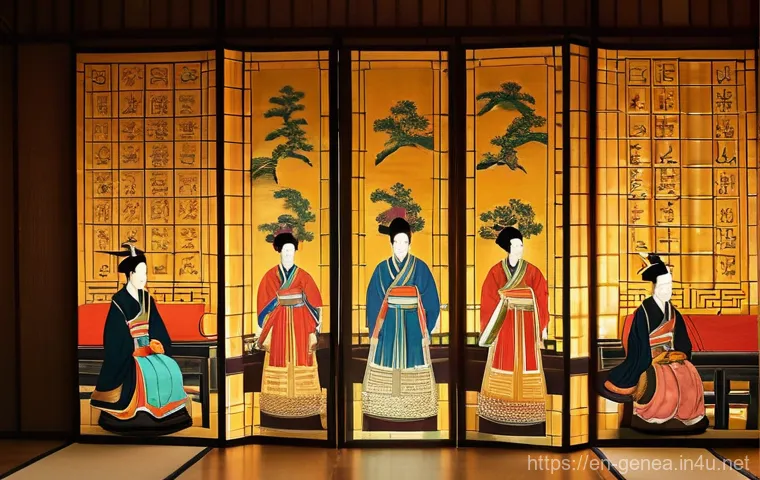
A Flourishing Arts Scene: Innovation in Ancient East Asia
It’s easy to get caught up in the military exploits of Goguryeo, but honestly, their cultural achievements are just as breathtaking. The royal court wasn’t just a center of power; it was a vibrant hub of artistic and intellectual life.
I’ve always been fascinated by the murals found in Goguryeo tombs, depicting everything from daily life and hunting scenes to celestial beings and royal processions.
They’re not just beautiful; they’re incredibly vivid windows into their worldview, their beliefs, and their sense of aesthetics. The sophistication of their metalwork, the artistry in their ceramics, and the rich tradition of poetry and music all speak to a highly developed civilization.
These weren’t just functional items; they were expressions of their distinct cultural identity, nurtured and patronized by the royal family. It just goes to show that true empires aren’t built on military might alone; they’re also built on a foundation of shared culture and artistic excellence.
Diplomatic Dances: Influencing Neighbors Through Soft Power
Beyond the impressive military campaigns, the Goguryeo royal family was incredibly adept at wielding “soft power” through sophisticated diplomacy. They understood that influence wasn’t always about conquest; sometimes, it was about persuasion, cultural exchange, and strategic gift-giving.
They maintained complex relationships with various Chinese dynasties, the nomadic tribes of Manchuria, and the southern Korean kingdoms of Baekje and Silla.
These diplomatic missions weren’t just formal exchanges; they involved the sharing of ideas, technologies, and artistic traditions. I find it fascinating how the royal family utilized cultural prestige to enhance their political standing, sending envoys who carried not just messages, but also gifts of exquisite craftsmanship.
This subtle interplay of military strength and cultural allure helped them maintain their dominant position in the region for centuries, proving that a truly powerful empire masters both the art of war and the art of peace.
A Look at the Royal Line: Key Figures Who Defined an Era
From Founder to Fall: A Glimpse at Notable Monarchs
As we’ve journeyed through the annals of Goguryeo, it becomes clear that the royal family wasn’t a monolithic entity but a dynamic succession of individuals, each leaving their unique imprint on the kingdom.
From the legendary founder to the formidable conquerors and the astute strategists, each king played a crucial role in shaping the empire’s destiny. I’ve found that sometimes, seeing a concise overview of these rulers really helps to put their monumental achievements into perspective.
It’s like looking at a family tree that not only shows lineage but also the very growth rings of an entire civilization. These are the names that echo through history, each representing a distinct chapter in Goguryeo’s epic saga, from its fiery birth to its eventual, tragic twilight.
They were leaders, warriors, builders, and, at times, figures of profound introspection, all bound by the heavy crown they wore.
The Faces Behind the Titles: More Than Just Names
It’s tempting to view ancient monarchs as mere names on a timeline, but I always try to remember that behind every title was a living, breathing person with ambitions, fears, and a very heavy burden of responsibility.
The royal family of Goguryeo, from the initial charismatic leaders who forged the kingdom to the later kings who struggled to maintain its glory, were complex individuals.
They navigated personal challenges, faced impossible decisions, and felt the weight of their ancestors’ legacies. What were their daily lives like? What were their personal passions?
While history often focuses on their grand public acts, I find myself imagining the human stories behind the crowns – the quiet moments of contemplation, the triumphs celebrated, the personal losses endured.
Understanding that these were real people, with real emotions, makes their stories so much more compelling and resonant for us today, bridging the vast gap of time.
| King (Posthumous Title) | Reign Period | Key Contribution |
|---|---|---|
| King Dongmyeong (Jumong) | 37 BC – 19 BC | Founder of Goguryeo, established the royal lineage. |
| King Taejo the Great | 53 AD – 146 AD | Centralized royal power, expanded territory, established dynastic succession. |
| King Michon | 300 AD – 331 AD | Expanded territory towards the Lelang Commandery, strengthening western borders. |
| King Gwanggaeto the Great | 391 AD – 413 AD | Vastly expanded Goguryeo’s territory, established a formidable empire. |
| King Jangsu | 413 AD – 491 AD | Longest-reigning monarch, solidified Gwanggaeto’s gains, moved capital to Pyongyang. |
The Enduring Echo: Goguryeo’s Legacy in East Asian History
Inspiration for Future Dynasties: A Blueprint for Greatness
The impact of the Goguryeo royal family didn’t simply end with their kingdom’s fall; it resonated through centuries, influencing subsequent dynasties and shaping the very identity of East Asia.
Their military strategies, their administrative systems, and even their cultural achievements served as a blueprint for later Korean kingdoms and left an undeniable mark on the wider region.
I often think about how the sheer ambition and resilience of these monarchs inspired those who came after, providing both a cautionary tale and a glorious example of what could be achieved.
The very concept of a strong, independent Korean state owes a great deal to the precedents set by Goguryeo’s royal family. It’s like their spirit, their unwavering determination, continued to infuse the land even after their physical presence faded.
They truly set the standard for what a powerful, influential kingdom could be.
A Timeless Story: What Goguryeo Still Teaches Us Today
For me, the story of Goguryeo’s royal family isn’t just a dusty chapter in a history book; it’s a living narrative that continues to offer profound insights into leadership, resilience, and the complexities of power.
What can we learn from their triumphs and their failures? Plenty, if you ask me! From the importance of visionary leadership, as exemplified by Gwanggaeto, to the critical role of diplomacy in navigating turbulent times, these ancient rulers faced challenges that, in many ways, parallel those we encounter today.
It’s a powerful reminder that while technology and societies evolve, the fundamental human elements of ambition, loyalty, conflict, and the pursuit of legacy remain constant.
Diving into the lives of these monarchs gives us a unique lens through which to examine our own world, inspiring new perspectives on power, culture, and the enduring human spirit that builds and shapes nations, leaving an indelible mark that resonates even in our modern age.
Wrapping Things Up
And there you have it, folks! What an incredible journey we’ve taken through the annals of Goguryeo’s royal family. It truly is amazing to peel back the layers of history and discover how a lineage of visionary leaders, formidable warriors, and astute diplomats built and sustained an empire that profoundly shaped East Asia. From the mythical origins of Jumong to the strategic brilliance of Jangsu, each monarch left an indelible mark, demonstrating that the human spirit, with all its complexities, is truly capable of extraordinary feats. I genuinely hope this deep dive has ignited your own curiosity and given you a fresh perspective on the enduring power of legacy.
Useful Information to Know
1. If you’re as fascinated by Goguryeo as I am, you absolutely must look into visiting the UNESCO World Heritage sites related to the kingdom. Places like the Capital Cities and Tombs of the Ancient Goguryeo Kingdom in China and certain sites within North Korea (though access is limited) offer tangible connections to this incredible past. It’s one thing to read about history, but another entirely to stand on the ground where it unfolded.
2. For further reading, I highly recommend seeking out academic works and well-researched historical fiction that bring this era to life. Books focusing on East Asian history often dedicate significant sections to Goguryeo, providing deeper insights into their military tactics, cultural practices, and diplomatic relations. A good starting point would be anything by Professor Mark E. Byington or delving into translations of ancient Korean historical texts like the Samguk Sagi.
3. It’s fascinating to consider Goguryeo in the context of its contemporaries. While Rome dominated the West, Goguryeo was a powerhouse in the East, navigating complex relationships with powerful Chinese dynasties and other Korean kingdoms. Understanding this broader geopolitical landscape really puts their achievements and challenges into perspective, highlighting their unique position and formidable influence in the ancient world.
4. Many modern Koreans view Goguryeo as a profound source of national pride, symbolizing a powerful, independent, and culturally rich heritage. The sheer scale of their territorial achievements and their fierce resistance against foreign invaders resonate deeply, forming a crucial part of the shared historical consciousness and inspiring a sense of resilience and self-determination today.
5. While we’ve covered a lot, archaeological discoveries are still being made, continually refining our understanding of Goguryeo. Every unearthed artifact or newly translated inscription offers another piece to the puzzle, proving that history isn’t static but a dynamic narrative that scholars are always working to expand. It’s a field that’s constantly evolving, which makes staying curious so rewarding!
Key Takeaways
So, what’s the big picture here? Well, the Goguryeo royal family wasn’t just a succession of rulers; they were the very architects of an empire that defied expectations and left an indelible imprint on East Asian history. We saw how their mythical origins instilled a divine right to rule, providing a foundation for their audacious kingdom building. Their early monarchs masterfully balanced warfare and diplomacy, securing their place amidst regional powers. The Golden Age, particularly under Gwanggaeto the Great and King Jangsu, showcased unparalleled military expansion and strategic consolidation, cementing Goguryeo’s dominance. Even amidst power struggles and royal intrigue, which, let’s be honest, were often as dramatic as any modern TV series, the dynasty managed to foster a sophisticated culture rich in art and advanced diplomatic prowess. Ultimately, their legacy extends far beyond their fall, inspiring future generations and offering timeless lessons on leadership, resilience, and the enduring human quest for power and lasting impact. It truly reminds us that behind every historical event are human stories, complex and utterly compelling.
Frequently Asked Questions (FAQ) 📖
Q: Who were some of the most pivotal figures in the Goguryeo royal family, and what made them so impactful?
A: Oh, this is such a fantastic question! If you’re anything like me, you’re probably eager to jump straight into the good stuff – the movers and shakers who truly shaped Goguryeo.
While every monarch played a role, a few names absolutely leap out when we talk about impact. First, you simply have to know about King Dongmyeong, the legendary founder.
It’s like, without him, there’s no story, right? His journey, from a mythical birth to establishing such a powerful kingdom, is just incredible. I mean, talk about starting from scratch and building an empire!
Then, there’s King Gwanggaeto the Great, a name that just exudes power. When I first learned about his military campaigns, expanding Goguryeo’s territory dramatically, it truly blew my mind.
He was a strategic genius, and his reign marked a period of immense growth and influence for the empire across East Asia. And don’t forget his son, King Jangsu.
He picked up where his father left off, further solidifying Goguryeo’s power and even moving the capital to Pyongyang, a massive strategic move. These aren’t just names in a textbook; these were real people with immense ambition and vision who quite literally redrew the map.
Looking at their accomplishments, I always feel a surge of admiration for their sheer determination and leadership. They weren’t just kings; they were nation-builders, and their stories are a testament to the enduring spirit of Goguryeo.
Q: How did the Goguryeo royal family manage succession, and what role did internal power struggles play in their history?
A: You know, it’s easy to imagine a neat, orderly line of succession, but history, especially royal history, is rarely that simple, is it? Goguryeo’s royal family definitely had its share of intense drama and fierce power struggles.
Typically, succession was hereditary, usually passing from father to son. However, it wasn’t always the eldest, and sometimes, powerful factions within the aristocracy – like the daero (major clan heads) – had a massive say, which, trust me, complicated things considerably.
I’ve personally seen in my readings that these internal power dynamics were incredibly intricate. Imagine a scene right out of a historical drama: a monarch passes, and suddenly, various princes, backed by their own ambitious noble families, are vying for the throne.
It wasn’t uncommon for these struggles to involve political intrigue, alliances, and even outright conflict. Sometimes, a king’s younger brother or even a nephew might seize power if they had stronger backing or were perceived as more capable.
These internal rivalries, while potentially destabilizing, also sometimes pushed the royal family to be incredibly astute politicians, constantly balancing allegiances and asserting their authority.
It’s a stark reminder that even the most powerful families faced immense internal pressures, and their ability to navigate these turbulent waters often determined the empire’s stability and future.
It truly makes you appreciate the human element in all that ancient history!
Q: Beyond just names and dates, why should we really care about Goguryeo’s royal genealogy today?
A: Okay, this is where the real magic happens, in my opinion! I totally get it – just rattling off names and dates can feel a bit dry, right? But here’s the thing: diving into Goguryeo’s royal genealogy is so much more than memorizing facts.
For me, it’s about unlocking a deeper understanding of an entire civilization. Think about it: tracing their family tree isn’t just about who begat whom; it’s a map of their strategic alliances, their diplomatic relationships with neighboring states, and even their cultural evolution.
When I look at how different lines merged or split, I see the very fabric of their political landscape, the shifts in power, and the reasons behind major historical events.
It challenges us to look beyond a Western-centric view of history and appreciate the incredible complexity and sophistication of East Asian empires. Personally, I find it incredibly inspiring how these monarchs, through their lineage, carried the torch of an empire for over 700 years, adapting and enduring through countless challenges.
It gives us unique perspectives on leadership, legacy, and how human ambition and resilience can shape the destiny of nations for centuries. So, when you’re exploring their family tree, you’re not just looking at old records; you’re witnessing the dynamic, living history of a powerful empire that still resonates with us today.
It truly makes you think about your own legacy, doesn’t it?