7 Proven Techniques to Master Genealogy Research Like a Pro

webmaster

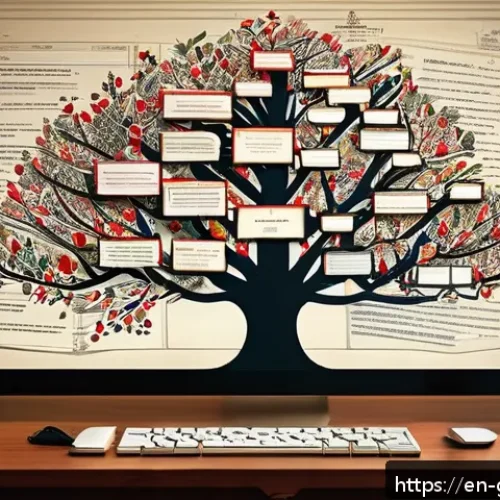
족보 연구 방법 - A cozy home office scene featuring a middle-aged genealogist surrounded by dual computer monitors di...

Tracing family lineage is more than just a hobby—it’s a fascinating journey into history, culture, and identity. With the rise of digital archives and DNA testing, uncovering your ancestors’ stories has become more accessible and precise than ever before.

족보 연구 방법 관련 이미지 1

Whether you’re a beginner or a seasoned researcher, understanding effective genealogy research methods can save you time and uncover surprising connections.

Exploring these techniques not only enriches your family narrative but also deepens your appreciation for your roots. Let’s dive into the essentials and unravel the secrets behind successful family history research!

Unlocking the Power of Digital Archives

Exploring Online Census Records and Vital Statistics

Diving into digital census databases is like stepping back in time. These records provide snapshots of families at specific moments, revealing names, ages, occupations, and sometimes even neighbors.

What I’ve found most valuable is how census data can help confirm family locations across decades, narrowing down where to dig deeper. Vital statistics such as birth, marriage, and death certificates are equally crucial.

They often contain exact dates and places, which are goldmines when piecing together a family tree. The trick is to cross-reference these records carefully to avoid mistaking someone else with a similar name for your relative.

Patience is key, as sometimes these records can be misfiled or contain transcription errors that require you to look beyond the obvious.

Harnessing the Potential of Newspaper Archives

Old newspapers are a treasure trove of personal stories, announcements, and even obituaries that add color and context to your ancestors’ lives. I remember stumbling upon a century-old wedding announcement for my great-great-grandparents, which included details about the venue and guests that no official record captured.

Using keyword searches with flexible date ranges can help uncover surprising tidbits. Many libraries and online platforms offer free or subscription-based access to digitized newspapers.

Don’t overlook the small local papers—they often contain intimate details that bigger publications miss. Exploring these archives can feel like detective work, piecing together clues that humanize names on a tree.

Utilizing Specialized Genealogy Websites and Forums

Websites dedicated to genealogy have revolutionized how we connect with our past. Platforms like Ancestry, MyHeritage, and FamilySearch host billions of records, user-submitted family trees, and DNA matching tools.

What’s been a game-changer for me is the ability to communicate with distant relatives through forums and messaging, exchanging photos and stories. These sites also offer guided searches and hints, which can push your research forward when you hit a wall.

However, it’s essential to verify any user-submitted information independently. Joining niche forums focused on specific regions or ethnic groups can provide insider knowledge and lead to unexpected discoveries.

Advertisement

Making Sense of DNA Testing Results

Choosing the Right DNA Test for Your Goals

Not all DNA tests serve the same purpose, so picking the right one can save you time and money. Autosomal tests are the most common and useful for tracing relatives across all branches up to about five or six generations back.

Y-DNA tests focus on the paternal line, revealing deep ancestral origins but only for males, while mitochondrial DNA tracks the maternal line. When I first took a test, I was amazed at how much more insight autosomal testing gave me into cousins I never knew existed.

Understanding the differences helps tailor your expectations and research plan.

Interpreting Ethnicity Estimates and Matches

Ethnicity percentages can be fascinating but sometimes misleading if taken too literally. They provide broad regional breakdowns but don’t pinpoint exact towns or families.

What truly impressed me were the DNA matches that connected me to living relatives, opening new avenues for collaboration. Sorting through hundreds of matches can be overwhelming, so I recommend focusing first on close matches and building outward.

Many testing companies offer tools to create family trees from your DNA connections, which can accelerate your research when combined with traditional methods.

Privacy and Ethical Considerations in Genetic Genealogy

Sharing your genetic information is a personal choice, and it’s important to understand the implications. I’ve had conversations with fellow researchers about how DNA data might be used beyond genealogy, such as law enforcement or medical research.

Setting boundaries on what you share and with whom can protect your privacy. Many companies provide options to opt out of certain data uses, and educating yourself about these policies is vital.

Approaching DNA testing with a clear sense of your comfort level and expectations leads to a more positive experience.

Advertisement

Organizing Your Research to Avoid Overwhelm

Creating a Robust Filing System

One of the hardest lessons I learned early on was the importance of organization. Genealogy research can quickly become chaotic without a structured system for documents, notes, and sources.

Digital folders categorized by family branches, surnames, or record types help keep everything accessible. For paper documents, I use labeled binders and acid-free sleeves to preserve fragile materials.

Regularly backing up digital files to the cloud or external drives has saved me from heartbreak more than once. Staying organized reduces frustration and keeps your research moving forward efficiently.

Using Software Tools to Build and Visualize Your Tree

Genealogy software programs and apps make visualizing relationships and tracking research progress much easier. I’ve tried several, but what stood out was how some programs integrate directly with online databases, allowing one-click record hints and source citations.

Features like timeline views and relationship calculators help spot gaps or inconsistencies. Some tools also support sharing your tree with family members, encouraging collaboration.

Investing time in learning these platforms pays off by turning scattered data into a coherent story.

Documenting Sources and Avoiding Assumptions

Accurate sourcing is the backbone of credible genealogy. I’ve seen many trees online filled with unverified guesses that can mislead others. Keeping detailed notes about where each piece of information comes from—whether a census record, a family Bible, or an oral interview—helps maintain integrity.

When you revisit your research months or years later, those citations guide you back to original evidence. Avoid jumping to conclusions when records conflict; instead, note discrepancies and seek additional documentation.

This disciplined approach saves time and builds trust with others who may use your work.

Advertisement

Engaging with Living Relatives to Enrich Your Story

Conducting Meaningful Interviews

Talking to older family members can unlock stories and details that no document holds. I found that preparing thoughtful questions beforehand and recording the conversations (with permission) captures nuances that notes alone miss.

Topics like childhood memories, migrations, occupations, and family traditions often come up naturally when you create a relaxed atmosphere. Sometimes, relatives remember names, places, or events that spark new research directions.

These interviews make your family history come alive and preserve precious memories for future generations.

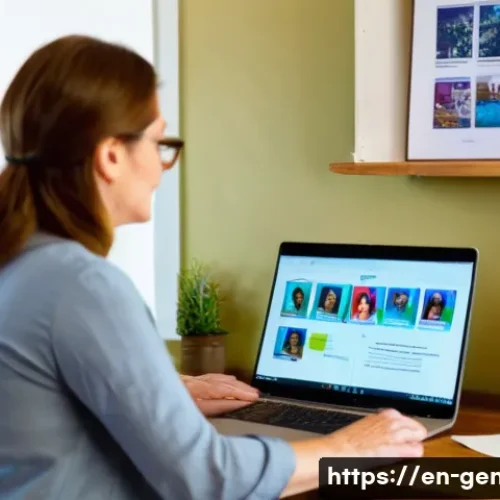
족보 연구 방법 관련 이미지 2

Sharing Findings and Inviting Collaboration

Genealogy is rarely a solo journey. Sharing your discoveries with relatives through newsletters, social media groups, or family reunions encourages others to contribute photos, documents, or anecdotes.

I’ve been pleasantly surprised how sharing even partial information prompts relatives to fill in gaps or correct errors. Collaborative projects can also lead to pooling DNA test results, expanding your research network.

Being open and communicative fosters a sense of community and keeps the family story growing richer.

Handling Sensitive Information with Care

Family history can sometimes reveal unexpected or delicate truths, such as adoptions, divorces, or historical hardships. Approaching these topics with empathy and discretion is crucial.

When sharing information, I recommend considering the feelings of living relatives and discussing sensitive findings privately. Balancing transparency with respect helps maintain family harmony while honoring the complexity of your shared past.

Remember, every story has multiple perspectives, and compassion goes a long way in genealogy work.

Advertisement

Decoding Historical Context for Better Understanding

Researching Social and Cultural Backgrounds

Knowing the times and places your ancestors lived adds depth to your research. For example, understanding immigration waves, wars, or economic conditions can explain migrations or occupational shifts.

I once discovered my great-grandfather’s move across states was tied to a major railroad expansion, a fact that enriched the narrative beyond mere dates and names.

Local history books, historical societies, and museum archives are excellent resources for this context. This background helps transform a list of names into a vivid story of resilience, adaptation, and identity.

Using Maps and Geographic Tools Effectively

Historical maps can clarify confusing place names and boundary changes that affect where records are kept. I’ve used online map overlays to track how county lines shifted, helping me locate documents that seemed lost.

Geographic tools also assist in visualizing migration paths and settlement patterns. Some genealogy websites integrate maps directly into family trees, letting you see ancestral movements over time.

This spatial perspective is invaluable in connecting dots and understanding your family’s journey.

Interpreting Old Handwriting and Language Variations

Reading old documents often means deciphering unfamiliar handwriting styles or archaic language. At first, it was daunting to make sense of cursive scripts and inconsistent spellings, but practice and reference guides made a huge difference.

Learning common abbreviations and terminology used in different eras speeds up the process. When stuck, sharing images of documents in genealogy forums can bring fresh eyes and interpretations.

This skill opens doors to original records that reveal intimate details otherwise lost in translation.

Advertisement

Balancing Technology with Traditional Research Techniques

Visiting Archives and Libraries in Person

Despite the digital age, some records remain accessible only through physical archives. I’ve enjoyed trips to courthouses, local libraries, and historical societies where I’ve found rare documents, photographs, and personal letters.

These visits also provide opportunities to connect with archivists who often offer invaluable guidance. Planning ahead by checking catalogues and requesting materials in advance makes the experience more productive.

Nothing beats holding a piece of your family’s past in your hands.

Incorporating Oral Traditions and Family Heirlooms

Stories passed down through generations and cherished heirlooms add a personal dimension that complements official records. I treasure a quilt made by my great-grandmother that, when studied closely, revealed symbols linked to her cultural background.

Gathering these intangible pieces enriches the narrative and often sparks curiosity leading to further discoveries. Recording these oral traditions preserves them before they fade, ensuring your family’s unique heritage endures.

Balancing Online Research with Fieldwork

While online tools offer convenience, combining them with fieldwork creates a fuller picture. Visiting ancestral hometowns, cemeteries, and churches can uncover plaques, gravestones, and local records not digitized.

These experiences also create emotional connections that motivate deeper research. I found that walking the same streets as my ancestors helped me appreciate their daily realities, turning abstract data into a heartfelt journey.

Research Method Key Benefits Common Challenges Tips for Success
Digital Census & Vital Records Accurate dates, family structure, occupation Transcription errors, name variations Cross-reference multiple sources, verify names
DNA Testing Connects living relatives, reveals ethnic origins Privacy concerns, interpreting ethnicity estimates Choose test type wisely, focus on close matches
Newspaper Archives Personal stories, obituaries, announcements Incomplete digitization, paywalls Use flexible keywords, explore local papers
Interviews with Relatives Unique anecdotes, family traditions Memory gaps, sensitive topics Prepare questions, record with consent
Onsite Archive Visits Access to rare documents, expert guidance Limited hours, travel costs Plan ahead, contact archivists before visits
Advertisement

글을 마치며

Exploring genealogy through digital archives and traditional methods offers a rich and rewarding journey into your family’s past. Combining technology with personal stories brings history to life in a meaningful way. With patience and organization, anyone can unlock the secrets hidden in old records and living memories. Embrace both the challenges and discoveries as part of a unique adventure that connects generations.

Advertisement

알아두면 쓸모 있는 정보

1. Always verify information from multiple sources to avoid errors and misidentifications.
2. Use a mix of online databases and physical archives for the most comprehensive research.
3. Engage relatives in conversations to uncover personal stories that documents don’t reveal.
4. Protect your privacy when sharing DNA data and understand the policies of testing companies.
5. Organize your research systematically to save time and prevent losing important details.

Advertisement

중요 사항 정리

Effective genealogy research relies on careful cross-referencing, blending digital and traditional resources, and maintaining clear documentation of sources. Prioritize building connections with living relatives and approach sensitive information thoughtfully. Embrace technology, but don’t underestimate the value of visiting archives or preserving oral histories. Ultimately, staying organized and patient will ensure your family story is both accurate and deeply meaningful.

Frequently Asked Questions (FAQ) 📖

Q: What are the best starting points for someone new to genealogy research?

A: If you’re just beginning, start with what you know—your immediate family. Gather birth certificates, marriage licenses, old photographs, and any stories your relatives can share.
I found that interviewing older family members early on provides priceless details you won’t find online. Once you’ve collected this foundation, use online databases like census records and vital records archives to expand your tree.
Combining personal knowledge with digital resources makes the whole process smoother and more meaningful.

Q: How reliable is DN

A: testing in tracing family history? A2: DNA testing has revolutionized genealogy by offering clues that traditional records might miss, especially when paper trails run cold.
From my experience, DNA can confirm suspected relationships or reveal unexpected connections, like distant cousins you never knew existed. However, it’s important to treat DNA results as one piece of the puzzle—combining them with historical documents and family stories ensures a fuller, more accurate picture.
Also, be prepared for surprises; sometimes DNA uncovers family secrets that can be emotional but ultimately enriching.

Q: What are common challenges in genealogy research and how can they be overcome?

A: One big challenge is hitting dead ends due to missing or inconsistent records. I’ve faced this frustration myself, but persistence pays off. When records are scarce, try broadening your search to neighboring regions or alternate spellings of names.
Another hurdle is misinformation—family legends can sometimes cloud facts. Cross-referencing multiple sources and documenting your findings carefully helps keep the research reliable.
Lastly, staying organized is key; using genealogy software or even simple spreadsheets can save hours and keep your discoveries clear and accessible.

📚 References


➤ Link

– Google Search

➤ Link

– Bing Search

➤ Link

– Google Search

➤ Link

– Bing Search

➤ Link

– Google Search

➤ Link

– Bing Search

➤ Link

– Google Search

➤ Link

– Bing Search

➤ Link

– Google Search

➤ Link

– Bing Search

➤ Link

– Google Search

➤ Link

– Bing Search

➤ Link

– Google Search

➤ Link

– Bing Search
Advertisement