Have you ever paused to think about the incredible journey your last name represents? It’s more than just a label; it’s a silent testament to generations of stories, triumphs, and resilience that have shaped who you are today.

In a world increasingly focused on the future, there’s a powerful and deeply personal trend emerging: a heartfelt desire to reconnect with our past and understand the roots that ground us.
I’ve personally found immense joy in tracing my own family’s lineage, discovering connections and narratives that truly bring history to life. Let’s delve into the fascinating world of family genealogies by surname and uncover the hidden legacies waiting to be found.
Unlocking Your Ancestral Story: More Than Just a Name
When I first started diving into my family’s past, I honestly thought it would be a dry, academic exercise. Boy, was I wrong! It turned out to be an exhilarating journey of discovery, unveiling layers of history I never knew were connected to me.
Your surname, that little label you carry, is a direct link to generations of individuals who lived, loved, and shaped the world before you. It’s like holding a key to a secret library, each shelf filled with untold stories waiting for you to discover them.
The sheer volume of lives lived under that single family name, the migrations they undertook, the challenges they faced, and the triumphs they celebrated—it’s truly something else.
This deep dive into my lineage not only filled in gaps about my grandparents but also provided a profound sense of continuity and belonging. It made me realize that my own experiences are part of a much larger, ongoing narrative, and understanding that story has truly enriched my perspective on life.
It’s a connection that transcends time, and it’s right there, waiting for you to reach out and grab it. The initial steps might seem daunting, but the rewards of uncovering your unique heritage are immeasurable, offering insights into your own identity you simply can’t get anywhere else.
Starting Your Journey: Where to Begin
So, you’re ready to embark on this incredible adventure? Fantastic! The best place to kick things off is right at home.
I always tell people to start with what they know. Chat with your oldest living relatives—grandparents, great-aunts, great-uncles. They are absolute goldmines of information, holding invaluable pieces of the puzzle that often aren’t written down anywhere.
Ask them about their parents, their grandparents, where they lived, what they did for a living, even funny stories or family legends. I remember sitting down with my grandmother, and she pulled out an old photo album I’d never seen before, sparking a conversation that led me to discover an entire branch of the family that had immigrated from Ireland in the 1800s.
These conversations aren’t just about gathering facts; they’re about preserving memories and strengthening family bonds. Write everything down, record their stories if they’re willing, and cross-reference details.
This initial groundwork will provide a solid foundation for your research and give you vital clues for what to look for in official records later on. Don’t underestimate the power of a good, old-fashioned chat!
The Power of Oral Histories and Family Lore
Beyond just factual details, oral histories are treasure troves of culture, traditions, and even the emotional fabric of your family. Every family has its own myths, its “remember when…” stories, and often, these tales contain kernels of truth that can guide your genealogical quest.
My great-aunt, for instance, used to tell a whimsical story about our ancestors running a small bakery in a bustling European city. While the “whimsical” part might have been embellished over time, the core detail of the bakery and the city proved to be accurate, providing me with key search terms when I hit the online archives.
These stories give life to names and dates, transforming them from mere entries on a page into vibrant, real people. Pay attention to recurring themes, unusual events, or even seemingly mundane details that might hint at a significant event or location.
Sometimes, the most fantastical tales hold the deepest truths about your family’s origins and resilience. Recording these stories, even if they seem a little far-fetched at first, ensures they aren’t lost to time and can often be corroborated with historical documents later on, painting a richer, more vivid picture of your family’s journey.
The Thrill of the Genealogical Hunt: Digging Deeper
Once you’ve exhausted your family’s living memory, it’s time to become a detective! This is where the real fun begins for many, sifting through historical records to piece together lives from centuries past.
There’s a genuine thrill, almost an adrenaline rush, when you unearth a document with your ancestor’s name on it, especially when it’s something you’ve been searching for tirelessly.
I remember spending weeks trying to find a birth record for my great-great-grandfather, hitting dead end after dead end. Then, one afternoon, deep in a digitized parish register, there it was!
His name, his parents, the exact date, all laid out in beautiful, old-fashioned script. It was a moment of pure triumph, a direct connection to someone who lived over 150 years ago.
This process demands patience and a keen eye for detail, but every successful discovery feels like winning a small lottery, a jackpot of personal history that only you get to claim.
It truly feels like you’re doing something significant, not just for yourself, but for your ancestors whose stories are finally being told.
Deciphering Ancient Documents and Records
Navigating old records can feel like learning a new language, but trust me, it’s incredibly rewarding. You’ll encounter everything from faded handwriting on census forms to ornate script in parish registers and ship manifests.
Each type of document offers unique insights. For example, census records can show entire family units, their occupations, ages, and places of birth, offering a snapshot of their lives every ten years.
Birth, marriage, and death certificates provide crucial dates and parentage. Wills and probate records can reveal family relationships, possessions, and even social status.
I found a will for one of my 5th great-grandmothers that mentioned a specific piece of land and a list of her cherished possessions, which gave me a vivid image of her life and what she valued.
Learning to read these old documents takes practice, but there are tons of online resources, paleography guides, and even forums where experienced genealogists are happy to help decipher tricky handwriting.
Don’t be afraid to zoom in, try different contrast settings, and even step away for a bit if you get stuck. Your persistence will definitely pay off!
Overcoming Research Roadblocks
Let’s be honest, genealogy isn’t always smooth sailing. You’re going to hit brick walls, and sometimes, you’ll feel completely stumped. I’ve been there more times than I can count!
One particularly frustrating challenge I faced was trying to trace an ancestor who seemed to vanish from all records after 1880. No death record, no census entry, nothing.
For months, I was at a complete loss. But instead of giving up, I started thinking creatively. I broadened my search to neighboring counties, looked for marriage records of his children (which sometimes list a deceased parent), and even explored alternative spellings of his surname.
Eventually, I found him remarried under a slightly different spelling in a distant state, having moved after his first wife passed away. It was a classic “aha!” moment.
When you hit a roadblock, don’t despair. Take a break, approach the problem from a different angle, consult online genealogy forums, or reach out to other researchers.
Sometimes a fresh pair of eyes or a new perspective is all you need to break through. Remember, every dead end is just an opportunity to explore a new path!
Beyond the Name: Cultural Echoes in Your Lineage
Your surname isn’t just a label; it’s a cultural artifact, echoing centuries of history, migration, and societal shifts. When you delve into your family name, you’re not just looking at a series of individuals, but at the broader movements of people, the customs they carried with them, and the languages they spoke.
It’s absolutely fascinating to discover how naming conventions evolved or how a specific surname might be linked to a particular region or occupation centuries ago.
I always thought my own surname was relatively common, but through my research, I found its origins traced back to a specific region in Scandinavia, linked to a profession that no longer exists today.
This revelation wasn’t just a dry fact; it made me feel a deeper connection to that part of the world and the hardy people who lived there. It truly opens your eyes to the interconnectedness of human history and how your personal story is woven into that vast tapestry.
Immigrant Ancestors and Their Journeys
For many of us, especially in countries like the United States, Canada, Australia, and the UK, immigrant ancestors are a huge part of our story. Tracing their journeys can be one of the most poignant parts of genealogical research.
Imagine the courage it took for them to leave everything behind, board a ship, and sail to an unknown land in search of a better life. I spent months piecing together the journey of my great-great-grandparents who immigrated from Germany in the mid-19th century.
I found their names on passenger lists, discovered the port they departed from, and even a naturalization record that detailed their intent to become citizens.
Each document brought their incredible journey to life, making their struggles and hopes feel incredibly real and personal. These stories of resilience, adaptation, and courage are powerful reminders of the strength embedded in our family lines.
They faced monumental challenges, overcame them, and paved the way for us. Understanding their sacrifices provides a profound appreciation for the life we live today.
Understanding Naming Conventions Across Cultures
One of the most intriguing aspects of surname genealogy is understanding how names were formed and used in different cultures and time periods. It’s not always as straightforward as it seems!
For instance, in some cultures, surnames were patronymic, meaning they were derived from the father’s given name (e.g., Johnson, ‘son of John’). In others, they might have been occupational (e.g., Smith, Baker), geographical (e.g., Hill, Rivers), or even descriptive (e.g., Campbell, meaning ‘crooked mouth’).
I remember getting confused when I found an ancestor in a 17th-century English record who seemed to have two different surnames in different documents, only to realize that sometimes they used an occupational descriptor as if it were a surname before formal surnames became fully standardized.
These variations and traditions offer a fascinating glimpse into the social structures and daily lives of our ancestors. It’s like solving a historical linguistic puzzle, and each piece you fit into place illuminates a bit more of your family’s unique heritage.
Navigating the Digital Archives for Your Roots
Gone are the days when genealogy was exclusively about dusty library archives and microfiche readers! While those resources are still invaluable, the digital age has completely revolutionized how we can trace our family trees.
Access to billions of digitized records from all corners of the globe is now literally at our fingertips. I remember feeling overwhelmed when I first started, not knowing where to click.
But with a bit of guidance and practice, these online resources become your best friends. The convenience of searching from your living room, any time of day, has made this hobby accessible to so many more people.
It’s an incredible feeling to be able to jump online and, within minutes, potentially find a record that adds a new branch or an entirely new generation to your family tree.
This ease of access has transformed what used to be a niche pursuit into a global phenomenon, connecting millions with their pasts.
Essential Online Genealogy Platforms
When you’re ready to dive into online research, several powerhouse platforms are absolutely essential. Websites like Ancestry.com, MyHeritage, FamilySearch, and Findmypast are treasure troves of records.
Each has its own strengths; for instance, FamilySearch, run by The Church of Jesus Christ of Latter-day Saints, offers a vast collection of free records, including many that are still being digitized.
Ancestry.com boasts a massive user base and an incredible collection of U.S. and international records, along with DNA testing services. Findmypast is particularly strong for UK and Irish records, while MyHeritage has a global reach, especially in Europe.
I’ve personally used all of them at various points in my research, often finding different pieces of the puzzle on each platform. It’s like having access to multiple libraries, each with its own unique collection.
Many of these sites offer free trials, which I highly recommend taking advantage of to see which one best suits your research needs.
Specialized Databases and Historical Societies
Beyond the major commercial sites, don’t overlook the incredible resources offered by smaller, more specialized databases and local historical societies.
Often, these institutions hold unique collections that haven’t been digitized by the larger platforms, or they have a deeper expertise in a specific region or ethnic group.
For example, if your ancestors were coal miners in Pennsylvania, there might be a regional historical society with incredible archives on mining communities.
If you’re tracing Irish roots, sites dedicated to Irish genealogy and county archives are indispensable. I discovered a fantastic local historical society in upstate New York that had a small, digitized collection of community newspapers from the late 1800s, and in them, I found an obituary for a distant relative that provided crucial details about their children and exact burial location.
These niche resources can provide those elusive “needle in a haystack” finds that really flesh out your family’s story. Always remember to check for local archives relevant to where your ancestors lived; they often hold the keys to unlocking those stubborn mysteries.

Connecting the Dots: From Records to Relatives
The journey of genealogy isn’t just about looking backward; it’s also about connecting with the present. What started as a quest for dusty records can often lead to amazing connections with living relatives you never knew existed.
This aspect of the research is incredibly heartwarming and adds a whole new dimension to understanding your family’s story. I remember vividly when I first received a message through a genealogy site from a third cousin who lived halfway across the country.
We shared a common great-great-grandparent, and it was incredible to see how our family lines diverged but still carried common traits and stories. It’s like finding missing pieces of your personal puzzle, not just in documents, but in actual people who share a piece of your heritage.
The sense of belonging and expanded family that comes from these connections is truly invaluable.
DNA Testing: A Modern Genealogical Tool
In recent years, DNA testing has absolutely revolutionized genealogical research, adding a powerful scientific layer to the traditional paper trail. Services from companies like AncestryDNA, 23andMe, and MyHeritage DNA can provide insights into your ethnic origins and, even more excitingly, connect you with genetic relatives.
I was initially a bit skeptical, but after taking a test, I was blown away. Not only did it confirm some of my ethnic heritage, but it also linked me to hundreds of “cousins” – some close, some very distant – who were also researching their family trees.
This led to incredible collaborations, sharing information, and breaking through some brick walls that traditional research couldn’t overcome. For instance, I connected with a fourth cousin who had records of an entire branch of the family I had completely lost track of.
DNA testing isn’t a magic bullet, but when combined with traditional document research, it’s an unbelievably powerful tool for extending your family tree and finding living relatives.
Finding Living Relatives Through Your Research
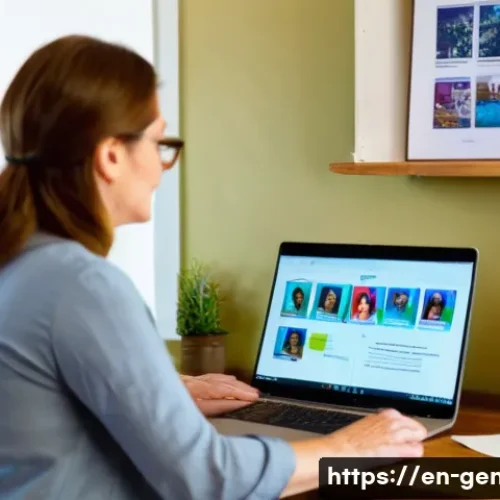
Beyond DNA, the online genealogy platforms themselves are fantastic for connecting with living relatives. Many sites allow users to build and share their family trees, and when you upload your own, the system often automatically identifies common ancestors and suggests potential matches with other users.
This is how I first connected with that third cousin I mentioned earlier. We had both built trees that overlapped significantly, and the platform flagged it.
It takes a little courage to reach out to someone you don’t know, but I’ve found that the genealogy community is incredibly welcoming and eager to share.
Most people who are actively researching their family history are thrilled to hear from a newly discovered relative! These connections can lead to exchanging photographs, documents, stories, and even meeting up in person.
It’s an amazing way to expand your understanding of your family and build new, meaningful relationships based on a shared heritage.
The Emotional Rewards of Discovering Your Past
If you’re anything like me, you’ll find that the journey into your family’s past isn’t just about collecting names and dates; it’s a deeply emotional experience.
There’s something profoundly moving about uncovering the lives of your ancestors, understanding their struggles and triumphs, and seeing how their choices ultimately led to your existence.
It creates a powerful sense of connection, a feeling that you are part of something much larger and more enduring than yourself. I’ve felt everything from profound sadness when reading about an ancestor who lost several children, to immense pride discovering a relative who played a significant role in a historical event.
These emotions are what truly bring the past to life, making it resonate with your own experiences and feelings. It’s not just history; it’s *your* history, and that makes all the difference.
A Sense of Belonging and Identity
One of the most powerful outcomes of delving into your family’s genealogy is the profound sense of belonging and a stronger understanding of your own identity.
When you see your name, or a variation of it, stretching back through generations, and you start to grasp the sheer number of people who came before you, you realize you’re part of an unbroken chain.
This connection can be incredibly grounding. For me, it helped explain certain personality traits, talents, and even physical resemblances I share with distant relatives I’ve only known through records.
It’s like finding the missing chapters of your personal story, providing context for who you are and where you come from. This isn’t just about ancestral pride; it’s about understanding the roots of your own being, seeing yourself as a continuation of a rich and diverse human legacy.
It truly solidifies your place in the world.
Understanding Your Personal Narrative
Every life is a story, and when you trace your family’s lineage, you’re essentially uncovering the many interwoven narratives that culminated in your own.
You begin to understand the historical context that shaped your ancestors’ lives – the wars they lived through, the migrations they undertook, the economic hardships or opportunities they faced.
This understanding can shed light on why your family settled where they did, what professions they pursued, or even certain traditions that have been passed down.
For example, I found out that my family’s move to a particular state in the US was directly linked to the availability of land grants after a specific historical conflict, a detail that perfectly explained why we have such deep roots there.
It enriches your personal narrative, giving it depth and historical significance. Knowing these stories adds incredible texture to your life, allowing you to see yourself not as an isolated individual, but as a vibrant thread in a magnificent, multi-generational tapestry.
Preserving Your Family’s Legacy for Future Generations
After all the hard work, the exciting discoveries, and the emotional connections you’ve made, the next vital step is to ensure that your findings are preserved.
You’re not just uncovering history; you’re becoming a custodian of it. Imagine if your ancestors had kept better records, how much easier your journey would have been!
This is our chance to pay it forward, making sure that future generations have an even richer understanding of where they come from. It’s a wonderful way to honor the people whose lives you’ve painstakingly pieced together, giving their stories continuity and ensuring they’re never forgotten.
Think of yourself as a vital link in this chain, tasked with passing on these invaluable stories and facts.
| Type of Record | What You’ll Find | Where to Search |
|---|---|---|
| Census Records | Family members, ages, birthplaces, occupations, residency over time. | Ancestry.com, FamilySearch.org, Findmypast.com |
| Birth, Marriage, Death (BMD) Certificates | Exact dates, parents’ names, spouses, maiden names, causes of death. | Local vital records offices, state archives, general genealogy sites. |
| Immigration & Passenger Lists | Arrival dates, ports of entry/departure, country of origin, sometimes family members. | Ellis Island Foundation, Castle Garden, Ancestry.com, FamilySearch.org. |
| Wills & Probate Records | Family relationships, property, possessions, executors, heirs. | County courthouses, state archives, FamilySearch.org. |
| Military Records | Service dates, regiments, pension applications, sometimes physical descriptions. | National Archives (NARA in US), Fold3.com, specific national military archives. |
Creating a Family Tree That Tells a Story
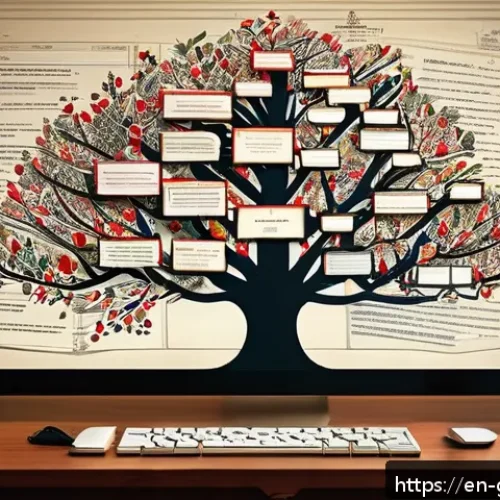
Building a family tree isn’t just about listing names and dates in a spreadsheet. It’s about crafting a narrative, creating a living document that tells the story of your family.
Modern genealogy software and online platforms allow you to attach documents, photos, stories, and even audio recordings directly to individuals in your tree.
I make it a point to add little anecdotes or interesting facts for each ancestor I discover. For instance, next to my great-grandmother’s name, I’ve included a snippet about her famous apple pie recipe and a small picture of her bakery.
These details transform a dry fact sheet into a vibrant, engaging historical record. Think about how you would want someone in the future to understand your life; apply that same thoughtfulness to your ancestors.
A well-documented and richly detailed family tree is truly one of the greatest gifts you can give to your descendants, offering them an immediate and tangible connection to their past.
Sharing Your Discoveries with Loved Ones
The joy of genealogical discovery is amplified when you share it with your family. It’s not just your story; it’s *their* story too! I love putting together presentations for family gatherings, showing old photos, sharing fascinating facts, and even pointing out common traits.
The look on my nieces’ and nephews’ faces when they see a picture of their great-great-grandparents is absolutely priceless. It sparks conversations, ignites curiosity, and helps reinforce that shared sense of heritage.
You might also consider creating a family history book, a website, or even just a beautifully printed family tree chart to display prominently. These aren’t just mementos; they are active tools for engaging your family with their past.
By sharing your discoveries, you’re not only preserving history but also fostering a stronger sense of family identity and connection among the living members of your clan.
Trust me, seeing your family light up when they learn about their ancestors is one of the most rewarding parts of this entire journey.
Wrapping Up Our Ancestral Adventure
Wow, what a journey it’s been, right? From those first tentative steps of chatting with family to unearthing forgotten ancestors and connecting with living relatives, genealogy is truly more than just a hobby—it’s an emotional odyssey. I genuinely hope this dive into unlocking your ancestral story has sparked something within you, perhaps a new curiosity or a renewed appreciation for the incredible tapestry that is your family. Remember, every single discovery, no matter how small, adds another vibrant thread to that tapestry, enriching not just your understanding of the past, but your sense of self in the present. It’s a gift you give to yourself, and to those who will follow you.
Helpful Tips to Remember on Your Genealogical Quest
Here are a few nuggets of wisdom I’ve picked up along my own path, things I wish someone had told me when I was just starting out!
1. Always begin with what you know and work backward. Talk to your oldest living relatives first; their memories are irreplaceable primary sources.
2. Be patient! Genealogy is rarely a sprint; it’s a marathon filled with thrilling discoveries and occasional brick walls. Persistence is your best friend.
3. Utilize both online resources and local archives. While digital databases are fantastic, smaller historical societies and local courthouses often hold unique, invaluable records.
4. Don’t be afraid to collaborate! Join genealogy forums, connect with other researchers, and consider DNA testing to expand your network and break through stubborn roadblocks.
5. Document everything meticulously. Keep track of your sources, organize your findings, and back up your research. Future generations will thank you for it!
Key Takeaways
Embarking on your family history journey is a profoundly rewarding experience that offers a deeper connection to your identity and a rich understanding of the generations who shaped you. It combines the thrill of detective work with the heartwarming joy of personal discovery, providing a unique perspective on your place in the grand narrative of human history. Remember to leverage both oral histories and digital tools, and never underestimate the power of connecting with newfound relatives to truly bring your family’s legacy to life.
Frequently Asked Questions (FAQ) 📖
Q: How do I even start tracing my family history by surname, especially if I feel overwhelmed by where to begin?
A: Oh, I completely get that feeling! When I first started digging into my own family tree, it felt like trying to find a specific leaf in an entire forest.
But honestly, the best place to begin is with what you already know. Chat with your oldest living relatives – your grandparents, great-aunts, uncles. They are living history books!
Ask them about their parents, grandparents, where they grew up, any stories they remember. Write everything down. I personally found that a simple notebook and pen, or even a voice recorder on my phone, worked wonders.
Then, gather any documents you have at home: birth certificates, marriage licenses, old letters, family Bibles. These seemingly small pieces of paper can be goldmines, often listing names, dates, and places that become your first solid leads.
From there, you can branch out to online resources like Ancestry.com or FamilySearch.org. They offer incredible databases, and many even have free trials to get you hooked – trust me, you will be!
Q: What kind of amazing discoveries or “hidden legacies” might I uncover by tracing my surname, and how has that impacted you personally?
A: This is where the real magic happens, my friend! It’s not just about names and dates; it’s about connecting with people who share your bloodline but lived in entirely different eras.
I remember vividly when I discovered my great-great-grandmother wasn’t just a name on a census record but a fearless woman who ran a successful bakery in a bustling city, a feat for her time!
Finding out details like that—her resilience, her entrepreneurial spirit—made me feel a profound connection, almost like she was cheering me on from the past.
You might uncover stories of immigration, wartime heroes, artists, pioneers, or even just everyday folks who contributed so much to their communities.
For some, it’s finding a connection to a historical event, like ancestors who arrived on the Mayflower or fought in a major war. For others, it’s understanding why certain traditions persist in your family or why you have a particular talent or passion.
It really reshapes your understanding of your own identity and gives you a much richer tapestry of where you come from. It’s truly eye-opening!
Q: Is diving into genealogy a super expensive hobby, or can I trace my family tree on a budget?
A: That’s a fantastic and very practical question, especially with everyone watching their pennies these days! The good news is, you absolutely can delve into your family’s history without breaking the bank.
Initially, it costs practically nothing beyond your time and curiosity. Remember those conversations with relatives and rummaging through old family papers?
Totally free! Many libraries offer free access to premium genealogy sites like Ancestry Library Edition, which is an amazing resource. I’ve spent countless afternoons at my local library, poring over microfiche and digital archives, all without spending a dime.
Websites like FamilySearch.org are completely free and boast an enormous collection of records. Of course, there are paid subscriptions to sites like Ancestry.com or MyHeritage, and while they do offer more extensive access and convenient tools, they aren’t essential for getting started.
Think of them as optional upgrades down the line. If you do decide to subscribe, keep an eye out for discounts or trial periods. Trust me, the joy of discovery you get from free resources alone is immensely rewarding and, frankly, priceless!