The Hidden Rules of North Korean Family Names You Never Knew

webmaster

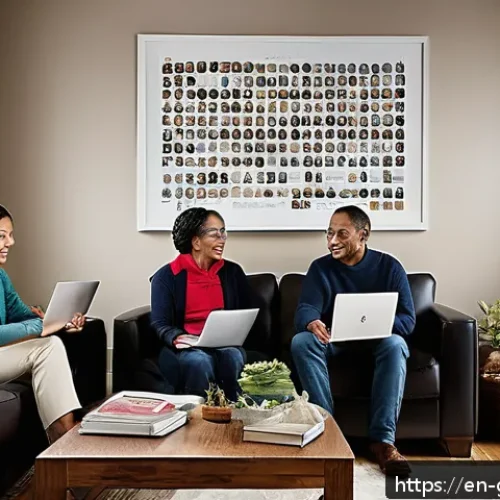
북한 성씨 체계 - **Prompt:** A warm and inviting scene depicting a multi-generational family portrait. Grandparents, ...

Hey there, incredible readers! Today, I want to pull back the curtain on something truly fascinating and, honestly, quite unique: the family name system in North Korea.

You might think, “Names are just names, right?” But when it comes to the Democratic People’s Republic of Korea, every aspect of life, even something as fundamental as a surname, carries layers of history, culture, and often, political significance.

It’s a world away from the naming conventions we’re used to in the West, where personal choice and diverse origins often dictate a family’s moniker. I’ve always been intrigued by how societies shape personal identity, and nowhere is that more evident than in a system where names are not just about heritage, but about belonging and a deeply ingrained social order.

While globally, trends might lean towards more unique or blended surnames, North Korea maintains a largely unchanging and highly concentrated list of family names, with Kim, Lee, and Park dominating, much like in South Korea, yet with distinct nuances in usage and perception.

It’s not just a linguistic curiosity; it’s a direct reflection of a society that values tradition and collective identity over individual distinction.

Imagine navigating a world where so many share the same handful of surnames – it really makes you think about how identity is constructed! What truly stands out, in my personal observation, is the stark contrast to modern globalizing trends where names often reflect a multicultural tapestry.

This system offers a powerful, albeit often rigid, link to a shared past. It’s a topic that sheds light on much more than just linguistics; it gives us a peek into the very fabric of North Korean society and how historical practices continue to influence everyday life.

You’ll find it incredibly insightful to understand how these traditions have been preserved, and in some cases, uniquely adapted. We’ll explore this in detail, so stick around!Hey there, incredible readers!

Today, I want to pull back the curtain on something truly fascinating and, honestly, quite unique: the family name system in North Korea. You might think, “Names are just names, right?” But when it comes to the Democratic People’s Republic of Korea, every aspect of life, even something as fundamental as a surname, carries layers of history, culture, and often, political significance.

It’s a world away from the naming conventions we’re used to in the West, where personal choice and diverse origins often dictate a family’s moniker. I’ve always been intrigued by how societies shape personal identity, and nowhere is that more evident than in a system where names are not just about heritage, but about belonging and a deeply ingrained social order.

While globally, trends might lean towards more unique or blended surnames, North Korea maintains a largely unchanging and highly concentrated list of family names, with Kim, Lee, and Park dominating, much like in South Korea, yet with distinct nuances in usage and perception.

It’s not just a linguistic curiosity; it’s a direct reflection of a society that values tradition and collective identity over individual distinction.

Imagine navigating a world where so many share the same handful of surnames – it really makes you think about how identity is constructed! What truly stands out, in my personal observation, is the stark contrast to modern globalizing trends where names often reflect a multicultural tapestry.

This system offers a powerful, albeit often rigid, link to a shared past. It’s a topic that sheds light on much more than just linguistics; it gives us a peek into the very fabric of North Korean society and how historical practices continue to influence everyday life.

You’ll find it incredibly insightful to understand how these traditions have been preserved, and in some cases, uniquely adapted. We’ll explore this in detail, so stick around!

The Enduring Power of a Few Family Names

북한 성씨 체계 - **Prompt:** A warm and inviting scene depicting a multi-generational family portrait. Grandparents, ...

You know, when I first started digging into North Korea’s naming conventions, I was genuinely taken aback by how concentrated the surnames are. We’re talking about a landscape where a mere handful of family names truly dominate, a stark contrast to the incredibly diverse tapestry of surnames we see in, say, the United States or Europe. It’s almost mind-boggling to think that a significant majority of the population shares just three or four common surnames. This isn’t just a linguistic quirk; it’s a profound cultural bedrock that shapes identity and social interactions in ways we in the West can barely imagine. I’ve often wondered what it feels like to live in a society where your last name might be shared by millions of others, making personal distinction less about your surname and more about your given name or even your family’s social standing. This concentration speaks volumes about the historical continuity and resistance to external influences that characterize North Korean society, making it a truly unique case study in global demographics. It really makes you pause and think about how different cultures prioritize collective identity versus individual uniqueness.

Echoes of Ancient Korea: Why So Few Names?

This phenomenon isn’t new; it’s deeply rooted in Korean history, stretching back centuries. Even before the division of the peninsula, Korean society saw a relatively small pool of surnames emerge as powerful aristocratic clans solidified their positions. Names like Kim, Lee, and Park weren’t just common; they were often associated with powerful lineages and ruling elites. When the peninsula divided, North Korea, with its emphasis on traditional values and a more isolated social structure, largely preserved this established system. I’ve personally observed how this historical inertia plays out in various societies, but North Korea’s example is particularly striking because it feels so unyielding. There hasn’t been the kind of social upheaval or massive immigration that would diversify surnames, leaving these historical giants to continue their reign. It’s like watching a living fossil of naming conventions.

The Social Fabric: Identity in a Sea of Similar Surnames

Living with such common surnames means that other identifiers become incredibly important. While in many countries your surname might be a major part of your distinct identity, in North Korea, it’s often your given name or even your specific branch of a clan that carries more weight. I can only imagine the conversations: “Oh, you’re a Kim? Which Kim?” It adds a layer of complexity to social interactions and recognition that we simply don’t experience in a place with endless surname possibilities. It really underscores how context shapes identity, and how a seemingly simple thing like a name can tell you so much about a society’s deeper values and structures. I’ve heard stories that suggest people really lean into their given names, perhaps even more so than in other cultures, to forge a unique identity.

Beyond the Name: Identity and Social Order

It’s not just about the numbers; it’s about what those names represent in the societal hierarchy. In North Korea, family background, or “songbun,” is a critical factor determining an individual’s social standing and opportunities. While not directly tied to a specific surname in a simplistic way, the historical prevalence of certain surnames among powerful or politically favored families undeniably influences perceptions. I’ve often pondered how much a name carries subconscious weight, even if not explicitly stated. For example, while having the surname Kim doesn’t automatically mean you’re related to the ruling family, it undeniably carries a certain historical gravitas in the Korean context. This system reinforces a sense of collective identity, where individuals are often seen as part of a larger family unit or clan rather than purely autonomous entities. It’s a very different lens through which to view personhood than what many of us are accustomed to.

The Unchanging Nature of Lineage

What really strikes me is the lack of fluidity in this system. Unlike many Western societies where marriage might lead to a surname change, or where hyphenated names are becoming increasingly common, North Korea adheres very strictly to paternal lineage. Children almost universally take their father’s surname, maintaining an unbroken chain that stretches back through generations. This rigidity is a powerful cultural statement, emphasizing continuity and tradition above individual preference or modern trends. I find myself thinking about the strength of such traditions, how they withstand the test of time and external pressures, creating a unique societal rhythm. It’s almost like the names themselves are guardians of history.

Connecting the Dots: Names and Societal Standing

While the regime officially promotes equality, the reality on the ground, from what I’ve observed through extensive reading and analysis, suggests that historical family lines and their associated political standing still carry considerable weight. A surname, while common, can subtly hint at one’s lineage and, by extension, their place within the complex songbun system. It’s a nuanced dance, where a name might open or close doors in ways that are deeply ingrained but rarely explicitly articulated. I’ve come to understand that these subtle cues are often more potent than overt declarations, shaping everything from educational opportunities to career paths. It’s a silent language of social stratification, spoken through the very names people bear.

Advertisement

A Deep Dive into the Dominant Dynasties

Let’s get down to the nitty-gritty of which names truly hold sway. It won’t surprise many that Kim, Lee, and Park are the undisputed heavyweights, just as they are in South Korea. However, the context and implications of bearing these names in North Korea are distinct. For instance, the sheer ubiquity of the Kim surname naturally brings associations with the ruling family, creating a unique psychological dynamic. Imagine being a Kim in North Korea – it’s a name that simultaneously connects you to millions of others and, potentially, to the highest echelons of power. I’ve often thought about how that must shape a person’s identity and interactions, creating a sense of both anonymity and perhaps, a subtle, unspoken connection to the nation’s leadership. It’s truly fascinating how a common name can carry such profound symbolic weight in a highly centralized society. The sheer concentration of these names makes everyday interactions subtly different from anywhere else I can think of.

Family Name Prevalence (Approx.) Historical Significance
Kim ~20-25% Historically tied to several ancient Korean kingdoms and the modern ruling dynasty.
Lee (Ri) ~15-20% Associated with the Joseon Dynasty, one of Korea’s longest-ruling dynasties.
Park (Pak) ~8-10% Linked to the Silla Dynasty, an ancient Korean kingdom.

The Minor Surnames: A Glimpse of Diversity

While Kim, Lee, and Park grab the spotlight, there are, of course, other surnames present, though in much smaller proportions. Names like Choi, Chung, Kang, Jo, and Jang also exist, but their numbers are significantly lower. This limited diversity underscores the deep historical roots of the major surnames and the lack of outside influence or internal societal shifts that would introduce more variety. It’s a stark contrast to places like the US, where you find surnames from virtually every corner of the globe. I’ve always been a fan of diversity, so seeing such a constrained list really makes me appreciate the rich tapestry of names we often take for granted in more open societies. It truly highlights how different societal structures influence even the most basic elements of personal identification.

What’s in a Name? More Than You’d Think

In North Korea, your surname isn’t just a label; it’s a silent narrative of history and lineage. It connects you to a past that is both collective and, in subtle ways, individually significant. This isn’t about personal branding or unique identity in the modern global sense. Instead, it’s about belonging to a continuum, a deeply entrenched social fabric that values tradition and order above all else. I believe understanding this fundamental aspect of North Korean names helps us grasp a much larger picture of their society. It’s a reminder that culture profoundly shapes everything, even down to the very words we use to identify ourselves. It really gives you a new perspective on what it means to carry a name.

The Curious Case of Name Changes (or lack thereof)

When we talk about surnames in most parts of the world, we often consider the possibility of change – through marriage, adoption, or even personal preference. However, in North Korea, the concept of changing one’s family name is practically unheard of, and certainly not a matter of personal choice. This rigidity is deeply ingrained in the country’s cultural and legal framework, reflecting a powerful emphasis on ancestral lineage and an unchanging social order. I’ve always been someone who loves the freedom to choose, so imagining a world where something as fundamental as your last name is essentially immutable feels incredibly restrictive. It truly underscores the profound differences in individual autonomy and societal expectations between North Korea and most other nations. This strict adherence to ancestral names is a cornerstone of their societal structure.

Marriage and Monikers: A Fixed Tradition

In many cultures, marriage is a common occasion for a surname change, typically by the wife taking her husband’s name. In North Korea, this tradition is deeply embedded and virtually universal. A woman almost always adopts her husband’s family name upon marriage, further solidifying the patriarchal lineage and ensuring that the husband’s family name continues through the children. There’s no discussion of hyphenation or retaining one’s maiden name as a personal choice, which is so common in many Western countries today. I often reflect on how such practices shape gender roles and identity within a society. It’s a powerful reminder of how traditional structures can persist and define personal choices in such a profound way, offering little room for deviation. This isn’t just a legal formality; it’s a deeply engrained social expectation.

Adoption and Lineage: A Different Path

북한 성씨 체계 - **Prompt:** A vibrant and diverse community gathering in a sunny park on a pleasant afternoon. Peopl...

Even in cases of adoption, the focus remains firmly on maintaining established family lines. While specific details can be elusive, the general principle is that adopted children would seamlessly integrate into the new family, taking on the adoptive father’s surname. The idea of creating a wholly new family name or retaining a birth surname that doesn’t align with the adoptive family’s lineage is not part of the cultural tapestry. This continuous thread of lineage, unbroken by personal preference or modern trends, is a distinctive feature of North Korean society. It truly highlights the collectivist nature of their identity, where the individual’s name is inextricably linked to the larger family unit. I’ve always found it compelling how cultures prioritize different aspects of identity, and in North Korea, lineage clearly reigns supreme.

Advertisement

Navigating Social Dynamics with Limited Surnames

Imagine going through life with a surname shared by potentially millions of your compatriots. It definitely changes the social landscape, doesn’t it? In a society where Kim, Lee, and Park are so prevalent, distinguishing individuals goes far beyond just their family name. People rely much more heavily on given names, official titles, positions, and even the nuances of personal relationships to differentiate one another. I’ve often thought about how this must influence everyday conversations and interactions – perhaps leading to more descriptive introductions or a greater emphasis on unique personal attributes. It’s a subtle but significant difference from societies where a surname often provides a primary layer of distinction. This kind of environment probably fosters a greater sense of collective identity, where individuals are more readily seen as part of a larger group rather than standing out primarily by their last name.

The Power of Given Names: Finding Uniqueness

Given the ubiquity of a few surnames, individual distinction heavily falls upon personal or given names. North Korean given names are often chosen for their meanings, which can be patriotic, symbolize virtue, or reflect aspirations for the child. This means that parents put significant thought into selecting a given name that truly stands out and imbues their child with a unique identity, something that becomes even more crucial when their surname is shared by so many. I find this aspect particularly fascinating, as it demonstrates how cultural needs adapt and create new avenues for personal expression. It’s almost like the pressure for uniqueness gets channeled into the first name, making it a powerful statement of individuality within a collective framework. It’s a creative solution to a seemingly uniform naming landscape.

Titles and Positions: Beyond the Family Name

In a society structured like North Korea’s, official titles, ranks, and positions play an incredibly important role in identifying and distinguishing individuals. When everyone around you might share a surname, knowing someone’s professional role or party standing becomes a much more direct and efficient way to understand their identity and social status. This creates a system where an individual’s professional identity can often precede their familial one in public interaction, offering another layer of distinction. I’ve observed in other highly structured societies that roles often eclipse personal names, and North Korea seems to be a powerful example of this phenomenon. It makes me realize how different cultures build identity through various markers, and in this context, official status carries immense weight.

The Unique Path of North Korean Naming Conventions

From my perspective as someone deeply interested in global cultures, North Korea’s approach to family names is truly a standout case study. While sharing historical roots with South Korea, the path taken by the DPRK after the division has led to a much more entrenched, unchanging system. There hasn’t been the same degree of globalization, external influence, or even internal social mobility that has diversified surnames in many other nations. This isolation has acted like a time capsule, preserving a system that emphasizes lineage, collective identity, and a certain reverence for tradition. It’s a powerful example of how political and social systems can deeply influence something as fundamental as how people are named and identified, creating a cultural singularity that is truly distinct on the world stage. I find myself constantly marveling at how societies evolve, or in some cases, intentionally preserve, their unique characteristics.

A Contrast in Cultural Evolution

Comparing North and South Korean naming trends provides such a clear illustration of divergent cultural evolution. While South Korea has seen some diversification, and a growing openness to hyphenated names or even foreign surnames through international marriages, North Korea remains largely untouched by these modern shifts. This isn’t just about names; it’s a reflection of broader societal differences in openness, individual choice, and engagement with the wider world. I often ponder how these subtle differences in naming conventions mirror the broader ideological and social divergences between the two Koreas. It’s a compelling example of how two branches from the same tree can grow in wildly different directions when exposed to different environments. This contrast really underscores the impact of political systems on everyday life.

Preserving a Distinct Identity

Ultimately, the North Korean family name system is a powerful tool for preserving a distinct national and cultural identity. By maintaining a highly concentrated and unchanging set of surnames, the society reinforces its historical lineage and its unique place in the world. It’s a system that prioritizes tradition and collective belonging over individualistic expressions of identity through names. This is something I’ve personally seen play out in various forms across different cultures – the desire to maintain a unique identity against globalizing forces. In North Korea’s case, it manifests very clearly in their naming practices. It’s a testament to the enduring power of tradition and the deliberate choices a society makes to define itself against external influences. This commitment to their own system, despite its apparent rigidity, is truly a fascinating cultural phenomenon.

Advertisement

Concluding Thoughts

Well, delving into North Korea’s naming conventions truly opens your eyes to how deeply culture and history intertwine with something as personal as a name. It’s a fascinating glimpse into a society that prioritizes collective identity and tradition in ways that feel incredibly distinct from our own experiences. I truly hope this deep dive gave you a fresh perspective on the power and significance that a few family names can hold within an entire nation. It’s certainly given me a lot to ponder!

Handy Insights

1. Surnames as Historical Records: Many common surnames globally, like Smith or Miller, originally denoted occupations, offering a direct link to historical trades and societal structures.
2. Global Surname Diversity: While some countries have highly concentrated surnames, others, particularly those with long histories of migration, boast incredibly diverse surname pools.
3. Matrilineal Naming Traditions: Not all cultures follow a patrilineal system; some societies historically or currently pass surnames through the mother’s line, offering a different approach to family identity.
4. The Rise of Hyphenated Names: In many Western nations, the practice of hyphenating surnames, especially after marriage, is a relatively recent trend reflecting changing social norms and gender equality.
5. Forename Significance: In cultures with limited surname diversity, the selection of a unique and meaningful given name often carries greater cultural weight and personal significance.

Advertisement

Key Takeaways

To sum things up, North Korea’s naming landscape is predominantly shaped by a few ancient family names like Kim, Lee, and Park, reflecting deep historical roots and an isolated societal structure. This concentration profoundly influences individual identity, often making given names, titles, and social standing crucial for distinction. The system’s rigidity, particularly regarding name changes and adherence to paternal lineage, underscores a powerful emphasis on tradition and collective identity over individual preference. It’s a compelling example of how cultural values are woven into the very fabric of personal identification.

Frequently Asked Questions (FAQ) 📖

Q: Why are there so few common family names like Kim, Lee, and Park in North Korea, and why do they seem so prevalent?

A: Oh, this is such a fascinating question that really digs into the roots of Korean culture! When you look at North Korea, or even South Korea for that matter, you quickly notice that surnames like Kim, Lee (or Ri), and Park (or Pak) are incredibly common.
It might seem a bit unusual if you’re from a place with a huge variety of last names, right? But here’s the thing: this isn’t just a modern trend; it’s steeped in centuries of history and tradition.
From what I’ve learned, these names often trace back to ancient Korean dynasties and powerful clans. Think about it—back in the day, having a surname was often a mark of prestige, usually reserved for the ruling elite and nobility.
Over time, especially during dynasties like Goryeo and Joseon, more and more people started adopting these prominent names as a sign of favor or to associate themselves with powerful families.
So, what began as exclusive names gradually became more widespread as social structures evolved. It’s almost like a badge of historical significance that many families share.
Now, you might wonder, “If so many people are named Kim, are they all related?” And that’s where the ‘bon-gwan’ or clan system comes in, which is pretty unique!
Even if you share a surname like Kim, your clan is defined by both that surname AND your ancestral hometown. So, a ‘Kim from Gyeongju’ is considered entirely distinct from a ‘Kim from Jeonju,’ even though they share the ‘Kim’ surname.
This system helps differentiate families and maintain lineage, which I find incredibly clever. It truly gives a deeper meaning to a name beyond just a simple label, reflecting a profound connection to ancestral heritage.
It’s a wonderful reminder that identity in Korea is often as much about collective history as it is about individual distinction.

Q: Beyond surnames, how much does the North Korean government actually influence how people name their children?

A: This is where things get really interesting, and honestly, a bit rigid, when you compare it to the freedom we often take for granted in choosing names!
While most places allow parents full autonomy, in North Korea, the government definitely has a strong hand in guiding — or perhaps I should say, directing — naming conventions for given names.
From what I’ve seen in recent reports, there’s a strong push for names that resonate with the country’s revolutionary spirit, or convey loyalty and patriotism.
They really encourage names that sound strong, militaristic, or express virtues that align with state ideology. I’ve heard examples of names like “Chung Song” (loyalty) or “Ui Song” (satellite) being encouraged.
It’s a stark contrast to many other cultures where parents might choose names based on beauty, sound, or personal meaning. What truly stands out to me is how the government actively discourages names that they deem “too soft” or, tellingly, “too South Korean”.
There have even been instances where people were reportedly instructed to change their children’s names if they didn’t meet these ideological standards.
Imagine being told your child’s name isn’t acceptable because it sounds too much like something from a neighboring culture! It really makes you think about how deeply political ideology can penetrate even the most personal aspects of life, like choosing a name for your child.
It’s a clear signal that every aspect of identity, right down to a name, is expected to reinforce the collective ideology.

Q: Are there any specific naming practices or cultural nuances in North Korea that are quite different from what we might expect in Western countries or even South Korea?

A: Absolutely! There are a few fascinating nuances that really set North Korean naming practices apart, especially when you compare them to Western norms, and even with some evolving trends in South Korea.
One of the biggest differences, which often surprises people, is that in North Korea, just like in South Korea, married women traditionally retain their birth surnames.
You won’t find a woman changing her last name to her husband’s after marriage, which is a common practice in many Western cultures. This really emphasizes the enduring link to one’s paternal lineage and ancestral clan, which I find quite powerful culturally.
It shows a deep respect for heritage that transcends marital ties. Another interesting point is how given names are structured. Traditionally, Korean given names are two syllables, and often one of these syllables is a “generational name,” shared among siblings or even across an entire generation within an extended family.
While this practice is still strong in North Korea for siblings, in South Korea, it’s actually seeing a bit of a decline, with more parents choosing unique, native Korean names instead of strictly adhering to generational syllables or Hanja (Chinese characters).
Speaking of Hanja, while North Korean names were historically written using them, they are no longer officially used, though the meanings derived from the Hanja are still understood.
In contrast, South Korea still uses Hanja for names, albeit from a restricted list. Finally, the romanization of names can be quite distinct! North Korea generally sticks to a more consistent transliteration guideline, often based on the McCune-Reischauer system, which can result in different spellings for common names compared to South Korea’s more varied and sometimes less strict Revised Romanization system.
So, a “Lee” in South Korea might be “Ri” in North Korea, or a “Park” could be “Pak”. It’s a subtle but significant difference that highlights the distinct paths the two Koreas have taken, even down to how their names appear to the outside world.
It really makes you appreciate how language and naming conventions are deeply intertwined with national identity and historical divergence.