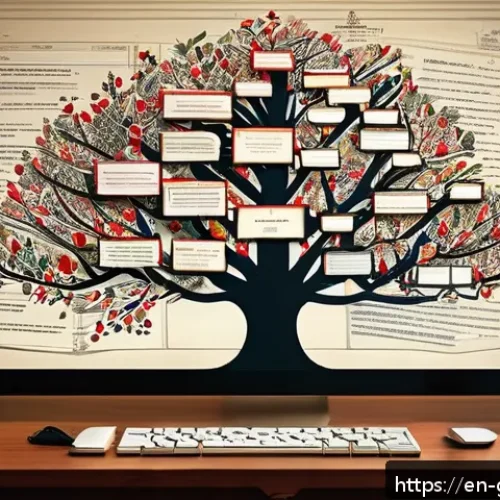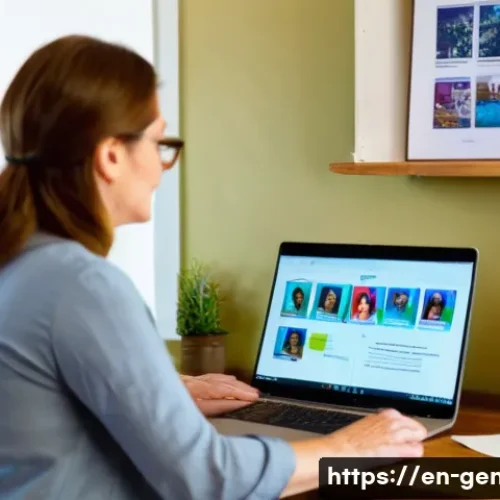
Imagine stumbling upon an old dusty photo album, filled with faces you barely recognize, each one whispering tales of a past you never knew. That’s the feeling I get every time I dive into the world of online genealogy sites, and let me tell you, it’s absolutely thrilling!
In today’s hyper-connected world, tracing your roots isn’t just for professional historians anymore. With a few clicks, you can unlock generations of family secrets, connect with long-lost relatives, and truly understand where you come from.
It’s more than just names and dates; it’s about discovering the incredible stories that shaped you, a truly personal journey made incredibly accessible by modern technology.
If you’ve ever wondered about your heritage, or simply wanted to add a few more branches to your family tree, you’re in for a treat. This digital exploration is one of the most rewarding adventures you’ll ever embark on, and the resources available now are simply mind-blowing.
Let’s dive in and explore this exciting world of online family history together.
Unlocking Your Ancestral Story: More Than Just Names

There’s this amazing feeling, almost like a whisper from the past, that washes over you when you uncover a new piece of your family history. It’s not just about adding another name to a chart; it’s about piecing together the incredible tapestry of lives that led to yours. I remember the goosebumps I got when I first saw a census record from the 1800s with my great-great-grandparents’ names on it. Suddenly, they weren’t just abstract figures; they were real people with a home, an occupation, and a place in the world. This journey is profoundly personal, helping you understand not just where you come from, but *who* you are. It’s a connection that transcends time, offering a sense of belonging and a deeper appreciation for the struggles and triumphs of those who paved the way. We often take for granted the lives we lead, but diving into genealogy makes you realize the sheer grit and resilience embedded in your very DNA, a silent testament to generations of survival and hope.
The Emotional Connection to Your Past
Honestly, when I started out, I thought it would be a dry, academic exercise. Boy, was I wrong! Each discovery, no matter how small, felt like opening a tiny window into another era. Learning about my grandmother’s journey as an immigrant, or discovering my grandfather’s unexpected involvement in a local historical event, brought tears to my eyes. These aren’t just stories; they’re echoes of experiences that shaped the world and, ultimately, shaped me. You start to see patterns, quirks, and even talents that run through your family line, and it’s truly a humbling experience. It makes you feel part of something much bigger, a continuous chain of humanity. That sense of connection, of being rooted in a rich history, is incredibly powerful and, dare I say, life-affirming.
Why Your Story Matters
Every family has a story, a unique narrative woven from countless individual lives. Yours is no exception. Perhaps you’ve heard snippets from your elders, tales that have been passed down, sometimes embellished, sometimes forgotten. Online genealogy offers you the chance to verify those legends, fill in the blanks, and discover entirely new chapters. Your story matters because it contributes to the collective human experience. It’s about preserving personal histories that might otherwise fade into obscurity. And let’s be real, understanding the journeys of your ancestors can offer incredible insights into your own life choices, challenges, and even strengths. It’s a journey of self-discovery through the lens of those who came before you.
Navigating the Digital Family Tree: Where to Begin
Stepping into the world of online family history can feel a bit like walking into a massive library for the first time – exciting, but also a little overwhelming. There are so many resources out there, from massive commercial sites to smaller, niche databases. I remember when I first started, I spent hours just clicking around aimlessly, feeling like I was drowning in information. The key, I’ve learned, is to start with what you know, and then strategically branch out. Don’t feel pressured to subscribe to every service right away. Many offer free trials, or have core features that are accessible without a paid membership. It’s all about finding the right tools that resonate with your specific research needs and, let’s be honest, your budget. Think of it as building a detective’s toolkit, adding new instruments as the mystery deepens.
Top Platforms to Kickstart Your Search
When you’re ready to dive in, a few big players dominate the scene, each with its own strengths. Ancestry.com is practically a household name, offering a colossal database of records, user-submitted family trees, and DNA testing. MyHeritage is another fantastic option, particularly strong for international records and its Smart Matches/Record Matches features. FamilySearch.org, run by The Church of Jesus Christ of Latter-day Saints, is a goldmine of free records and a collaborative family tree, making it an absolute must-visit for any serious genealogist. Then there’s Findmypast, which boasts an impressive collection of UK and Irish records. I usually recommend starting with FamilySearch because it’s free and extensive, and then exploring trials on Ancestry or MyHeritage to see which platform’s interface and record collections you find most intuitive and helpful for your specific lines. I personally found Ancestry’s tree-building features incredibly user-friendly.
Essential First Steps for Beginners
Okay, so you’re ready to start – but where exactly? My advice is always to begin with yourself and work backward. Talk to living relatives, especially older ones. They hold invaluable oral histories, old photographs, and documents like birth certificates, marriage licenses, and obituaries. Gather every scrap of information you can from them: names, dates, places of birth, marriage, and death. Write it all down! Then, enter this information into a free online family tree builder (like on FamilySearch or Ancestry’s free guest account). This creates a foundation. From there, you can start searching for records to confirm what you’ve been told and to push back another generation. Don’t get discouraged if you hit an early “brick wall”; it’s part of the process, and often those early challenges lead to the most satisfying breakthroughs. The initial setup might feel slow, but it’s crucial for accurate research down the line. Trust me on this one; a solid start saves a lot of headaches later.
| Platform | Key Features | Best For | Pricing Model |
|---|---|---|---|
| Ancestry.com | Vast record collection, user-submitted trees, DNA testing, shaky leaf hints | U.S. and international research, DNA matches, extensive community trees | Subscription (various tiers), DNA kit separate |
| FamilySearch.org | Free access to billions of records, collaborative family tree, extensive global archives | Anyone starting out, global research, finding unique records | Free |
| MyHeritage | Strong international focus, Smart Matches, Record Matches, DNA testing | European research, connecting with living relatives, sophisticated hint system | Subscription (various tiers), DNA kit separate |
| Findmypast | Extensive UK and Irish records, newspaper archives, exclusive collections | UK, Ireland, Australia, New Zealand research | Subscription (various tiers) |
Beyond the Records: Connecting with Living Relatives
While digging through old documents and archives is undeniably fascinating, there’s a whole other layer of excitement when your genealogical journey leads you to connect with living relatives you never knew existed. It’s like finding missing pieces of a puzzle you didn’t even realize you were working on! I’ve had incredible experiences reaching out to distant cousins who shared stories, photos, and even family heirlooms that brought my ancestors to life in ways no record ever could. These connections aren’t just about filling in gaps on your family tree; they often blossom into genuine friendships, expanding your own personal network and providing a sense of extended family you might not have known was out there. It’s a truly heartwarming aspect of genealogy, transforming names on a page into real people with shared heritage.
The Power of Online Communities
The internet isn’t just for searching records; it’s a vibrant hub for connecting with other genealogists and potential relatives. Platforms like Facebook host countless genealogy groups dedicated to specific surnames, regions, or ethnic groups. I’ve joined several, and the wealth of knowledge and willingness to help from members is truly inspiring. You can post a tough research problem, and often someone will have an obscure record suggestion or even a direct connection to the family you’re researching. Similarly, the DNA match lists on sites like AncestryDNA and MyHeritage DNA are incredible tools. They literally put you in touch with people who share your genetic heritage. Reaching out to these matches, even if they’re distant cousins, can often unlock breakthroughs by combining your research with theirs. It takes a little courage to send that first message, but the rewards can be monumental.
Ethical Considerations in Reaching Out
While the prospect of connecting with new relatives is exciting, it’s super important to approach it with sensitivity and respect. Remember, not everyone is actively looking for family connections, or they might have different comfort levels with sharing personal information. When you initiate contact, always be polite, introduce yourself clearly, explain your genealogical connection, and be transparent about why you’re reaching out. Don’t overwhelm them with too much information at once, and always respect their privacy if they prefer not to engage. I’ve learned to start with a friendly, non-demanding message, offering to share what I know and simply asking if they’d be open to comparing notes. Sometimes you get an enthusiastic response, other times polite disinterest, and occasionally no response at all. And that’s perfectly okay. The goal is connection, not imposition, and maintaining good etiquette ensures a positive experience for everyone.
The Thrill of Discovery: My Personal Genealogy Journey
Every genealogist has those “aha!” moments, those incredible breakthroughs that make all the tedious searching worthwhile. For me, one of the most memorable was stumbling upon a tiny, faded photograph of a woman I didn’t recognize, tucked away in an old family album. I’d seen it countless times but never paid much attention. Then, after tracing a particularly elusive branch of my family tree, a cousin I’d connected with online shared an identical photo, identifying the woman as my great-great-aunt, a sister to my ancestor who had been entirely absent from our family’s oral history! It was a small detail, but it suddenly opened up a whole new line of inquiry and connected me to a story I never knew existed. That rush of validation, of seeing a face finally match a name, is truly unparalleled. It makes the hours spent poring over microfilms and digital records absolutely worth it.
Unexpected Twists and Turns
One of the things I love most about genealogy is its unpredictability. Just when you think you’ve got a line neatly tied up, you find a record that throws everything you thought you knew into question. I once spent months meticulously tracing a family line back to a specific town in Ireland, convinced I had the right people. Then, a tiny detail in a passenger list revealed they had actually immigrated from a *different* town with a similar-sounding name! It was a frustrating “brick wall” moment, but it taught me to always question assumptions and to look for even the smallest discrepancies. Those unexpected detours, while sometimes challenging, often lead to the most interesting and accurate discoveries. It’s like being a historical detective, constantly sifting through clues and following leads, even when they take you down an unforeseen path. The journey itself becomes as fascinating as the destination.
The Small Details That Make a Big Difference
You know, it’s rarely the grand pronouncements or famous ancestors that truly captivate me. It’s the small, intimate details that bring history to life. Finding an ancestor’s occupation listed as “basket weaver” or “dressmaker” on a census record, or seeing their distinctive signature on an old land deed, instantly creates a vivid image in my mind. One time, I found a World War I draft card for an ancestor and saw his physical description: “blue eyes, brown hair, slender build.” It was such a simple piece of information, but it humanized him in a way a birth date never could. These little nuggets of information, often buried in the fine print of historical documents, are the true treasures of genealogical research. They’re the brushstrokes that add color and depth to the family portrait, making the past feel incredibly tangible and close.
Decoding DNA: Adding a Scientific Edge to Your Search

If traditional records are the skeleton of your family tree, then DNA testing is like the muscle and sinew, adding a whole new dimension of information. I jumped into DNA testing a few years ago, mostly out of curiosity, and I was absolutely floored by the results. Not only did it confirm some lines I had already meticulously researched, but it also opened up entirely new avenues, connecting me with distant cousins I never would have found otherwise. It’s a fantastic complement to document-based research, sometimes providing clues when records are scarce, or even helping to break through those stubborn “brick walls” that have plagued genealogists for generations. It feels incredibly modern, blending the ancient quest for roots with cutting-edge science, and the insights you can gain are truly mind-bending. Just remember, it’s a tool, not a magic bullet, but a powerful one nonetheless.
Choosing the Right DNA Test
So, you’re thinking about taking a DNA test? Great choice! But which one? The main players in the consumer DNA testing market are AncestryDNA, 23andMe, MyHeritage DNA, and Living DNA. AncestryDNA is often my top recommendation for genealogists because of its enormous database of users and its seamless integration with Ancestry’s record collections and family trees. This makes it incredibly easy to connect with genetic matches and explore shared ancestry. 23andMe offers more health-related insights alongside its ancestry reports, which can be interesting but less focused on hardcore genealogy. MyHeritage DNA is excellent, especially if you have European roots, and like Ancestry, it integrates well with family trees. Living DNA is particularly strong for British and Irish ancestry. My advice? Consider your primary goal: if it’s pure genealogy and finding cousins, AncestryDNA is probably your best bet. If you want health insights too, 23andMe could be an option. Remember, you can always upload your raw DNA data from one service to others (like MyHeritage or FamilyTreeDNA) to broaden your match pool!
Interpreting Your Results (and the Limitations)
Getting your DNA results back is exciting, almost like opening a genetic treasure chest. You’ll likely see an ethnicity estimate, breaking down your ancestral origins into percentages, which can be super interesting and sometimes even surprising! But the real genealogical power lies in your DNA match list – other people who share segments of DNA with you, indicating a common ancestor. This is where the detective work really begins. You’ll see estimated relationships (e.g., “3rd cousin”) and often shared surnames or locations. However, it’s crucial to understand the limitations. Ethnicity estimates are just that: estimates, and they can change as more reference populations are added. Also, genetic relationships don’t always perfectly align with genealogical relationships; sometimes a “4th cousin” might share more DNA than a “3rd cousin” due to random inheritance patterns. And critically, DNA doesn’t tell you *who* your ancestors were by name, only that you share a common ancestor with someone. You still need to combine it with traditional document research to make definitive connections. Don’t expect it to draw your whole family tree for you, but expect it to give you powerful new clues and connections!
Overcoming the Brick Walls: Strategies for Tracing Tough Lines
Ah, the dreaded brick wall. Every genealogist, no matter how experienced, eventually encounters one. It’s that moment when you’ve exhausted every obvious record source, every database, and every hint, and you simply can’t push a particular ancestral line back any further. Believe me, I’ve stared at my computer screen in utter frustration more times than I care to admit, feeling like I’m trying to decipher an ancient, forgotten language. But here’s the thing: brick walls aren’t necessarily dead ends. They’re often just invitations to get creative, to think outside the box, and to employ different strategies. It’s during these moments of challenge that you truly grow as a researcher, developing a deeper understanding of historical records and the subtle ways our ancestors left their mark. Don’t let them deter you; let them ignite your inner detective!
Creative Research Techniques
When the usual suspects (census records, birth/marriage/death certificates) fail you, it’s time to get creative. One strategy I’ve found incredibly effective is researching the “FAN Club” – your ancestor’s Friends, Associates, and Neighbors. People often migrated or settled near family and friends, and looking at their neighbors on a census or their witnesses at a wedding might reveal a hidden relative or a crucial clue about their origins. Land records, probate records (wills), and church records are also invaluable, often containing information not found elsewhere. Explore local historical societies, libraries, and university archives; they often hold unique, localized collections like old newspapers, cemetery records, and family Bibles that haven’t been digitized. Sometimes, it’s about looking for the absence of evidence – why *isn’t* there a record? – which can provide its own clues. Never underestimate the power of seemingly insignificant details; they often hold the key.
When to Seek Expert Help
Let’s be real, sometimes a brick wall is just too formidable to tackle alone. There’s no shame in admitting you need a little help! If you’ve tried every avenue and still feel stuck, consider reaching out to a professional genealogist. Many specialize in specific regions, time periods, or types of records (e.g., Irish records, colonial America, forensic genealogy). While it’s an investment, a professional can often spot details or access resources that you might have overlooked. Another option is to leverage those online genealogy communities I mentioned earlier. Post your “brick wall” problem in a relevant Facebook group or forum, providing as much detail as possible. Often, someone with local knowledge or specific expertise can offer a fresh perspective or a new lead. Remember, the goal is to unravel the mystery, and sometimes, a little collaborative effort or professional guidance is exactly what you need to break through to the other side. Don’t let pride stop you from finding your answers!
Preserving Your Legacy: Sharing Your Family’s History
After all that incredible detective work, all those late nights poring over records, and the thrill of discovery, what do you do with it all? The journey of uncovering your family history isn’t truly complete until you’ve found a way to preserve and share it. Think about it: you’ve unlocked stories that might have been lost forever, breathed life back into forgotten ancestors, and connected generations. This invaluable treasure trove of information deserves to be more than just a collection of files on your computer or a digital family tree accessible only to you. Sharing your findings not only honors your ancestors but also enriches your living family, giving them a tangible connection to their past and inspiring future generations to continue the legacy. It’s a wonderful feeling to see others engage with the stories you’ve unearthed.
Digital Tools for Storytelling
Today, there are so many creative ways to share your family history beyond just printing out a pedigree chart. Online family tree platforms themselves (like Ancestry and MyHeritage) allow you to add photos, documents, and even written stories to individual profiles, making the tree a living, breathing narrative. Consider creating a dedicated family history website or blog; it’s a fantastic way to present your research in a more narrative, engaging format, complete with multimedia. Digital scrapbooking software or even simple photo slideshows with accompanying text can bring old pictures to life. You could even write a family history book – self-publishing platforms have made this more accessible than ever before. The key is to choose a medium that best suits your family’s interests and your own creative flair, ensuring the stories are told in a way that truly captures their essence.
Inspiring Future Generations
One of the most rewarding aspects of sharing your family history is seeing the spark of interest ignited in younger generations. My own nieces and nephews, who initially rolled their eyes at “old family stuff,” became absolutely fascinated when I showed them photos of their great-great-grandparents looking surprisingly stylish in the 1920s, or told them about an ancestor who was a real pioneer. It makes history tangible and personal. Consider creating a physical family history binder or scrapbook that can be passed down, filled with stories, photos, and copies of key documents. Organize family gatherings around shared heritage, perhaps visiting an ancestral hometown or a significant historical site. The goal is to make these stories relatable and accessible, showing that history isn’t just about dates and faraway events, but about real people – *their* people – who lived, loved, struggled, and thrived. Your efforts today are quite literally building the foundation for tomorrow’s understanding of where they came from.
글을 마치며
As we wrap up this incredible journey through the fascinating world of family history, I truly hope you’ve felt the same sense of wonder and connection that I have countless times. It’s so much more than just tracing lines on a chart; it’s about understanding the very fabric of who you are and the incredible resilience woven into your lineage. This adventure is deeply personal, often revealing surprising truths and fostering an unparalleled appreciation for those who came before us. So, take that first step, embrace the process, and prepare to be amazed by the stories waiting to be discovered. Trust me, it’s one of the most fulfilling quests you’ll ever embark upon, promising a deeper sense of self and belonging.
알아두면 쓸모 있는 정보
When you’re diving into genealogy, a few practical tips can genuinely make your journey smoother and far more rewarding. Here’s what I’ve picked up along the way through years of research, often learning the hard way!
1. Always Document Your Sources: This is absolutely crucial! Whenever you unearth a piece of information, make it a steadfast habit to note precisely where it came from – whether it’s a specific website, a physical book, an archive reference, or even the name of the relative who shared the tidbit. Believe me, this saves endless headaches down the line if you ever need to re-verify a fact or prove a familial connection. I’ve personally wasted countless hours trying to relocate a “fact” I swore I’d seen somewhere, only to realize I hadn’t jotted down the source. Keeping meticulous records isn’t just good practice; it’s the hallmark of a truly diligent genealogist and prevents mountains of future frustration, ensuring the integrity and accuracy of your family’s story. It’s like building a solid legal case for your ancestors!
2. Start with the Known, Work to the Unknown: It might sound incredibly obvious, but resisting the urge to immediately jump to that mysterious ancestor from centuries ago is absolutely key. Instead, begin with yourself, then move backward to your parents, and then your grandparents, gathering every known piece of information about them and, crucially, confirming it with official records. This methodical approach creates an incredibly solid and verifiable foundation for your research and prevents you from building a tree on shaky, unproven ground. Think of it like constructing a magnificent historical home – you absolutely need a strong, stable base before you can even begin to add the upper floors. Every confirmed birth date, marriage certificate, or census entry is a sturdy, indispensable brick in your family’s historical home, ensuring its longevity and accuracy.
3. Connect with Other Researchers: Please, don’t ever think you have to go it alone! Genealogy is a surprisingly collaborative and deeply supportive hobby. Make a point to join online forums, dedicated Facebook groups centered around specific surnames or regions, or even local genealogical societies in your area. Other researchers often have invaluable experience with the exact same regions, challenging surnames, or notorious “brick walls” that you’re currently facing, and their insights can literally be priceless. I’ve found that some of my biggest and most exciting breakthroughs came from a seemingly casual conversation or a shared document with a distant cousin I connected with online. The sense of community and shared purpose truly makes the journey richer, more enjoyable, and significantly more productive.
4. Be Patient and Persistent: Genealogy is, without a doubt, a marathon, not a sprint. You are guaranteed to hit frustrating brick walls, records will sometimes be infuriatingly illegible, and progress will, at times, feel incredibly slow, almost to a standstill. Don’t, under any circumstances, get discouraged! When you feel stuck, take a break, come back with fresh eyes and a clear mind, and try different search terms, alternative spellings, or entirely different types of record sources. Often, a “missing” record isn’t truly missing; it simply hasn’t been digitized yet, or it’s patiently hiding in an obscure, specialized collection. My most satisfying discoveries have almost always come after a period of intense head-scratching, persistent digging, and refusing to give up. It’s a powerful testament to the fact that truly good things, especially in family history, come to those who not only wait but also work diligently for them.
5. Consider Data Privacy for Living Relatives: When you’re meticulously building an online family tree, it’s super important to be incredibly mindful of the privacy of living individuals. Most reputable genealogy sites automatically privatize information for living people, which is a fantastic feature, but it’s always good practice to double-check and understand their settings. Only share detailed information about deceased ancestors widely and publicly, and always, always ask for explicit permission before sharing any sensitive or personal information about living family members, especially if you’re posting it where it could be publicly accessible. Respecting everyone’s privacy and comfort levels isn’t just good etiquette; it builds trust and ensures that the entire experience remains positive and respectful for everyone involved in your incredible family history adventure.
중요 사항 정리
Embarking on your genealogical quest is an incredibly personal and profoundly rewarding experience, offering far more than just a list of names and dates. It’s a deeply immersive journey into your own identity, a fascinating discovery of the hidden stories that shaped your present, and a powerful, tangible connection to the past. Remember to always start with what you definitively know, thoroughly utilize the vast array of digital resources available, and wholeheartedly embrace the power of community and DNA testing to uncover new leads and break down barriers. Don’t ever shy away from the inevitable “brick walls”; instead, view them as exciting opportunities to hone your detective skills and dig even deeper into your family’s rich narrative. Most importantly, once you’ve unearthed these precious, forgotten narratives, make it a paramount point to preserve and share them. Your dedicated efforts today are not just for your own enlightenment, but they are a priceless gift for future generations, ensuring that the legacy of your family continues to inspire, inform, and ground them in a deep, unwavering sense of belonging that truly enriches life in ways you can scarcely imagine.
Frequently Asked Questions (FAQ) 📖
Q: I’m just getting started with this whole “tracing my roots” thing, and honestly, it feels a bit overwhelming. Where do you even suggest a newbie like me begin, and are there particular websites that are better for someone taking their first steps?
A: Oh, trust me, I totally get that feeling! Diving into your family history can feel like staring at a giant, beautiful, but incredibly complex puzzle. But don’t worry, it’s actually much simpler to start than you think.
My absolute number one tip is to begin with what you already know! Seriously, start with yourself, then your parents, grandparents, and so on. Talk to your living relatives – your grandma, your uncle, anyone who loves to tell stories.
Their memories, old photos, and even those dusty family Bibles are pure gold for kick-starting your tree. I remember sitting down with my great-aunt and just listening; she unlocked so many names and places I’d never heard of!
Once you’ve gathered those initial nuggets, you’ll want to hit the online world. For beginners, hands down, FamilySearch.org is your best friend. It’s completely free, which is amazing, and it boasts billions of records and a huge collaborative family tree.
What I love about it is that you can often find free in-person help at their local centers or even schedule a free online consultation. It’s like having a personal guide for your journey.
Then, when you’re ready to really dig in and maybe connect with more distant relatives, Ancestry.com and MyHeritage.com are fantastic. They have enormous databases of records and brilliant tools that suggest new ancestors for your tree.
You can often start a basic family tree for free on MyHeritage, and Ancestry usually has free guest plans to get a feel for things. Many local libraries also offer free access to these subscription sites, which is a fantastic way to explore without commitment.
Just jump in with what you know, and let these resources guide you – it’s an incredible adventure!
Q: I’ve tried looking at some online family trees before, but I’m always a bit skeptical. How can I tell if the information I’m finding is actually true and not just someone else’s guesswork or, dare I say, outright fiction?
A: That’s a brilliant question, and honestly, it’s probably the most important one you can ask in genealogy! You’re right to be skeptical; I’ve seen some wild “facts” floating around out there.
Think of those online family trees you find as clues, not gospel. They can give you fantastic leads, but you absolutely have to verify everything. I once found an entire branch of my tree online that looked perfect, only to discover it was built on a misinterpretation of a single census record!
It was a good starting point, but without digging deeper, I would have had some seriously confused ancestors! Here’s my secret sauce for verifying information: always look for original sources.
If a name or date comes up, ask yourself, “Where did this information come from?” A reliable entry will usually cite a birth certificate, a marriage license, a census record, or a will.
These are what we call “primary sources”—records created at or close to the time of the actual event. Information that doesn’t have a source citation, or only cites another online family tree, is a huge red flag.
Cross-reference, cross-reference, cross-reference! If you find a birth date on one site, try to find a matching birth certificate, a census record showing a consistent age, or even an obituary.
Using multiple sources, especially official government documents, is key. Don’t be afraid to be a detective! It’s incredibly satisfying when you track down an original document and confirm a piece of your family’s story with your own eyes.
Q: This sounds like an amazing hobby, but I’m worried it’s going to cost a fortune.
A: re there good free options for exploring my family history online, or do I need to budget for expensive subscriptions right away? A3: I hear you loud and clear on the budget concerns!
It’s true that some of the big names in online genealogy have subscription fees, but I’ve found that you absolutely don’t need to break the bank to get started, or even to make significant progress.
You can actually do a ton of research for free! My absolute go-to for free research is, again, FamilySearch.org. It’s a goldmine of billions of records from around the world, completely free to access, thanks to the Church of Jesus Christ of Latter-day Saints.
You can build a robust family tree there and tap into their vast collection of digitized documents. Many local libraries also offer free access to premium sites like Ancestry and MyHeritage, which is a fantastic perk – all you need is your library card!
I’ve spent countless hours at my local library, digging through records I couldn’t access from home. Beyond that, sites like the USGenWeb Project, Chronicling America for old newspapers, and even Find a Grave or BillionGraves (which have photos of headstones!) are incredible, free resources.
So, while a paid subscription to a site like Ancestry or MyHeritage can definitely give you access to even more records, especially international ones, there’s a wealth of free information out there just waiting for you.
You can start building your tree and making amazing discoveries without spending a dime, and then decide if a paid subscription is worth the investment later on, once you’re hooked!