Have you ever looked at an old family photograph and wondered about the stories behind those faces? Who were they, what were their lives like, and how did their journeys shape who we are today?
It’s a profound question, isn’t it? I’ve always found that delving into my family’s past isn’t just about tracing names on a tree; it’s about connecting with a living, breathing history that flows through our veins.
In a world that often feels disconnected, rediscovering our roots, understanding our heritage, and even connecting with distant relatives can be an incredibly grounding and enriching experience.
With incredible resources like DNA testing and vast online archives at our fingertips, uncovering those long-lost narratives has become more accessible and exciting than ever before.
We’re not just finding ancestors; we’re unearthing legacies and building communities, whether it’s through a bustling family reunion or a dedicated genealogical society.
It’s truly fascinating how technology has transformed the way we explore our personal pasts and forge new bonds. Join me as we explore this captivating journey together!
We’ll dive into how you can uncover your own unique family story and the joy of finding your place within a wider ancestral tapestry. Let’s delve in and find out more!
Embarking on Your Family History Journey: The First StepsHave you ever stared at a blank page, brimming with excitement but unsure where to even begin charting your family’s history? I totally get that feeling! When I first decided to dive into my own ancestral quest, I felt a mix of exhilaration and overwhelm. It felt like trying to solve a giant, multi-generational puzzle with no picture on the box. But here’s the secret I learned pretty quickly: the best way to start is just to *start*. Don’t overthink it. Begin with what you already know. Gather any old documents lying around your house – birth certificates, marriage licenses, old photo albums with names scribbled on the back, even funeral programs can be goldmines. Chat with your oldest living relatives. They are living libraries of information, carrying stories and facts that no database can replicate. I remember spending hours with my grandmother, a cup of tea in hand, listening to her vivid recollections. Those conversations were priceless, providing not just dates and names, but the color and texture of their lives. It’s about building a foundation, however small, to build upon. This initial phase is all about brainstorming, jotting down everything, no matter how insignificant it might seem at first. You’ll be amazed at how quickly a few scattered facts can start to form a narrative.
Collecting Your Homegrown CluesBefore you even think about hitting the internet, turn your home into your first research station. Trust me on this one. My own journey truly began not in a dusty archive, but in my parents’ attic, sifting through boxes of forgotten treasures. Look for anything with a date or a name: old letters, postcards, school report cards, military discharge papers, family Bibles with handwritten entries. These tangible items often provide the first critical pieces of information, giving you names, dates of birth, marriage, and death, and even places of residence. They also give you a feeling, a genuine connection to the past that a digital record just can’t quite replicate. Every time I held a letter written by my great-great-grandfather, I felt a whisper of his life, a sense of his reality.
Interviewing Your Family EldersThis step is, hands down, one of the most rewarding parts of the entire process. Don’t put it off! Our elders hold a wealth of unrecorded history, and their stories are fleeting. When I sat down with my great-aunt, I learned about family traditions, funny anecdotes, and even a few scandalous secrets that brought my ancestors to life in a way I never anticipated. Prepare a list of open-ended questions beforehand, but be flexible. Let them reminisce. Ask about their parents, grandparents, where they grew up, what life was like, and any specific family stories they remember being told. Record these conversations if they’re comfortable – an audio or video recording can be an invaluable keepsake for future generations. It’s not just about facts; it’s about capturing their voices, their laughter, and the nuances of their memories.
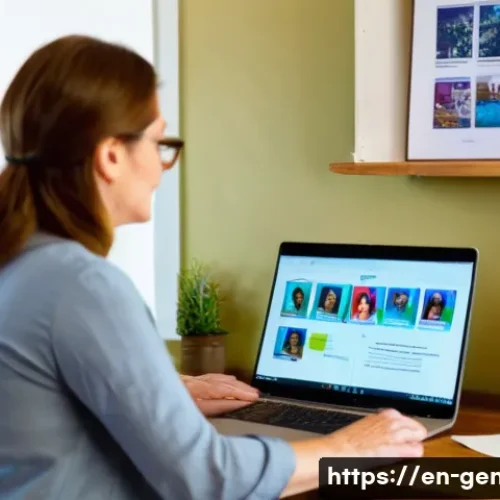
Navigating the Digital Landscape: Unearthing Online GemsOnce you’ve exhausted your home resources and spoken with relatives, it’s time to venture into the digital realm. This is where the magic truly begins, and where I’ve spent countless hours, sometimes well into the night, chasing down leads. The internet has revolutionized genealogy, making it possible to connect with records and people across the globe with just a few clicks. Websites like Ancestry.com and FamilySearch are absolute powerhouses, boasting billions of records from censuses, vital records, immigration documents, and more. I still remember the thrill of finding my paternal grandfather’s passenger manifest on Ancestry, seeing his handwritten signature, and finally putting a face to a name I only knew from stories. It was like a direct link to his journey. These platforms often provide hints and suggestions, helping you piece together branches of your family tree you didn’t even know existed. But don’t limit yourself to the big players. There are countless smaller, specialized archives, historical societies, and university collections that have digitized their holdings, often accessible for free. It really takes some digging, but the rewards are immense.
Leveraging Major Genealogy PlatformsMy personal go-to platforms have always been Ancestry.com and FamilySearch.org. Ancestry offers a vast, subscription-based database with incredible search capabilities, hints, and a thriving community tree that can often lead you to pre-researched family lines (though always double-check these!). FamilySearch, on the other hand, is a free resource provided by The Church of Jesus Christ of Latter-day Saints and has an astonishing collection of records, including many that haven’t been digitized anywhere else. I’ve found unique records on FamilySearch that completed a “brick wall” I’d been facing for years. Learning to navigate their search filters effectively is key, as is understanding the types of records each site prioritizes. It’s a skill that develops over time, and the more you practice, the more efficient your searches become. Don’t be afraid to experiment with different spellings of names or search terms; historical records can be notoriously inconsistent.
Exploring Specialized Archives and Local Libraries OnlineBeyond the major sites, there’s a whole universe of specialized online archives waiting to be discovered. I once spent an entire weekend delving into a digitized collection of local historical newspapers from a small town where my great-grandparents lived. To my absolute delight, I found an article about their wedding, complete with details about the dress and the guests! These niche resources, often hosted by local libraries, university special collections, or historical societies, can offer incredibly rich, localized information that fills in the everyday details of your ancestors’ lives. Think about what your ancestors did or where they lived: if they were farmers, look for agricultural archives; if they served in the military, explore military record databases. Many public libraries also offer free access to premium genealogical databases if you have a library card, so definitely check your local library’s website. It’s a bit like being a digital detective, piecing together clues from various sources.
The Power of DNA: Unlocking Biological ConnectionsThis part of the journey is truly mind-blowing. If you haven’t considered DNA testing yet, I wholeheartedly recommend it. It’s like having a biological compass pointing you toward relatives you never knew existed and confirming ancestral lines you’ve only hypothesized about. I remember getting my results back from AncestryDNA and seeing a list of hundreds of “cousins.” It was surreal! I’ve since connected with several distant relatives, sharing information and even photos, which has been an incredibly enriching experience. DNA testing can break through “brick walls” in your research, confirm or challenge existing family theories, and even pinpoint ethnic origins you might never have suspected. It’s not just about finding relatives; it’s about understanding the deep biological tapestry that connects us all. The scientific aspect is fascinating, but the human connections it fosters are truly priceless.
Choosing the Right DNA Test for Your GoalsThere are several excellent DNA testing services available, each with its own strengths. AncestryDNA and 23andMe are perhaps the most popular for genealogical purposes. AncestryDNA is phenomenal for connecting with potential relatives and integrating with their massive family tree database, making it easier to see how you might be related to your matches. I used AncestryDNA and found dozens of third and fourth cousins, some of whom had extensive family trees that helped me extend my own research by generations. 23andMe offers a strong health insights component in addition to ancestry, giving you a broader picture of your genetic makeup. MyHeritage DNA and FamilyTreeDNA are also excellent options, particularly if you have specific European or Y-DNA/mtDNA research goals. Before you spit in that tube (or swab your cheek!), consider what you’re hoping to achieve – finding living relatives, exploring ethnic origins, or delving into deep ancestral migrations. Each service presents its results and matches slightly differently, so it’s worth a bit of research to pick the best fit for your unique quest.
Interpreting Your DNA Results and Connecting with MatchesOnce your results are in, the real fun begins! Interpreting your ethnicity estimates can be fascinating, revealing percentages of ancestry from different regions around the world. But for me, the most exciting part is the cousin matching. You’ll get a list of DNA matches, often ranked by how closely related they are to you. Don’t be shy! Reach out to your matches. I’ve had incredible success sending friendly messages to distant cousins, introducing myself and asking if they’re also researching the family line. You’d be surprised how many people are thrilled to share what they know. I’ve exchanged photos, documents, and family stories with people I’d never known existed, all because of a little tube of saliva. Just remember to be patient; not everyone is actively checking their messages, and some might not be as engaged in genealogy as you are. Building these connections takes time, but the potential for collaboration and discovery is enormous.
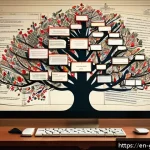
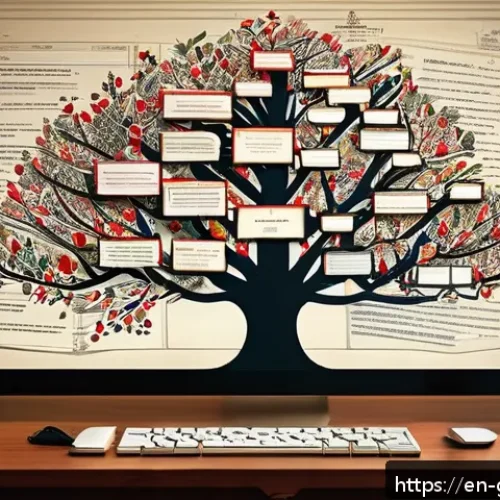
Crafting Your Family Narrative: Building Your Tree with ConfidenceOnce you start accumulating names, dates, and places, it’s crucial to organize it all into a coherent family tree. This isn’t just about listing facts; it’s about building a narrative, understanding how each individual fits into the grand tapestry of your family’s history. I remember my early attempts at a family tree were just scribbled notes on scrap paper, which quickly became unmanageable. Investing in good genealogical software or using the tree-building tools on sites like Ancestry or FamilySearch is a game-changer. These tools help you visualize your lineage, attach sources to each fact, and identify potential areas for further research. It’s also incredibly satisfying to see your tree grow, branch by branch, generation by generation. Each ancestor you add is another piece of the puzzle falling into place, another life honored and remembered.
Utilizing Online Tree Builders and SoftwareFor anyone serious about building their family tree, using a dedicated online tree builder or desktop software is non-negotiable. I personally started with Ancestry’s online tree, which is incredibly user-friendly and integrates seamlessly with their record hints. It allowed me to quickly add new ancestors and attach sources directly to them, creating a well-documented tree. FamilySearch also offers a collaborative “shared tree” where everyone contributes to a single, worldwide family tree, which is fantastic for breaking down brick walls if someone else has already researched your line. For those who prefer desktop software, programs like RootsMagic or Legacy Family Tree offer robust features for managing large amounts of data, creating charts, and generating reports. The key is consistency: always attach sources (birth certificates, census records, etc.) to every fact you add. This practice, known as citation, is the backbone of reliable genealogical research. It ensures the accuracy of your tree and provides proof for future generations.
The Art of Source Citation and VerificationThis might sound a bit dry, but trust me, proper source citation is absolutely vital in family history research. I learned this the hard way after chasing down a few red herrings because I hadn’t properly documented where I found certain “facts.” It’s not enough to just write down a name and a date; you need to record *where* you found that information. Was it a census record? A birth certificate? A family story? Each piece of information needs to be attributed to its source. This allows you (and anyone else looking at your tree) to verify the information and track its origin. Think of it like building a case: you need evidence for every claim. Websites often have tools to help you do this, but even a simple handwritten note detailing the source is better than nothing. Cross-referencing information from multiple sources is also crucial. If a birth date on a census record differs from one on a headstone, you’ve got a discrepancy to investigate! This diligence ensures the integrity and accuracy of your family tree for years to come.
Unearthing the Human Stories: Beyond Names and DatesWhile names, dates, and places form the skeletal structure of your family tree, it’s the stories, the human experiences, that breathe life into it. I’ve often found myself getting lost in the sheer volume of data, only to be reminded by a poignant newspaper clipping or an old photograph that these were real people with real lives, joys, and struggles. Genealogy isn’t just about collecting ancestors; it’s about understanding their world, their challenges, and their triumphs. What were their daily lives like? What historical events shaped their experiences? Did they live through wars, economic depressions, or significant social changes? These questions transform your research from a mere collection of facts into a rich, empathetic journey. This is where your ancestors truly come alive, moving beyond entries in a database to become vibrant characters in your personal history.
Contextualizing Ancestral Lives with Historical EventsTo truly understand your ancestors, you need to understand the world they lived in. For example, learning that my great-grandmother emigrated from Italy during a period of immense poverty and political upheaval completely reframed her story for me. It wasn’t just a simple journey across the ocean; it was a desperate search for a better life. Explore historical archives, read books about the periods and regions your ancestors inhabited, and watch documentaries. Understand the social norms, economic conditions, and major global events that would have impacted their decisions and opportunities. Did they live through the Great Depression, participate in a major war, or witness significant technological advancements? These broader historical contexts provide crucial insights into their choices, their struggles, and the legacy they passed down. It adds so much depth and meaning to the names and dates you’ve painstakingly collected.
Bringing Ancestors to Life Through Anecdotes and ArtifactsThis is where the joy of discovery truly blossoms. Every old photograph, every letter, every newspaper clipping, and every family anecdote contributes to painting a more complete picture of your ancestors. I cherish a fading photograph of my paternal grandparents on their wedding day, not just for the image, but for the story my dad told me about how they met at a local dance. These personal touches transform a dry genealogical record into a vibrant, emotional narrative. Sometimes, it’s about finding small, everyday details – what kind of work they did, what hobbies they had, what their community was like. Did they belong to a church, a lodge, or a specific community group? These details, often found in local newspapers, city directories, or church records, add incredible texture to their lives, making them feel less like historical figures and more like familiar faces.
Overcoming Obstacles: Tackling Genealogical Brick WallsLet’s be honest, family history research isn’t always smooth sailing. You’re going to hit “brick walls.” Every genealogist, myself included, has faced moments of frustration where a particular ancestor’s trail seems to vanish into thin air. Perhaps records are missing, names are misspelled consistently, or you just can’t find that one crucial document to connect a generation. When I hit my first major brick wall, trying to trace an Irish ancestor whose records seemed to disappear before 1850, I felt utterly defeated. But here’s the thing: a brick wall isn’t the end of the road; it’s an invitation to get creative and think differently. It teaches you resilience and patience. It forces you to explore new types of records, consult different experts, or even revisit information you previously overlooked.
Strategies for Breaking Down Research BarriersWhen you hit a brick wall, don’t despair! I’ve learned that often, the solution lies in stepping back and re-evaluating your approach. First, “FAN club” research is invaluable: focus on Family, Associates, and Neighbors. Sometimes, your ancestor’s records are intertwined with those of their siblings, in-laws, or even close neighbors. Look for them in *their* records. I once found my elusive great-great-grandfather mentioned as a witness on a neighbor’s land deed, which finally gave me a clue about his previous residence. Secondly, consider alternative records. If birth records are missing, look for baptismal records, school enrollment, marriage records (which often list parents), or even death certificates (which might list parents or place of birth). Third, utilize online forums and genealogical societies. Post your dilemma; other researchers might have encountered similar problems or have specialized knowledge of a particular region or ethnic group. It’s truly a community effort.
When to Call in the Experts or Take a BreakSometimes, despite your best efforts, a brick wall remains stubbornly in place. This is where it’s perfectly okay to consider hiring a professional genealogist, especially if you have a specific, challenging research question or a very localized problem. They often have access to specialized databases, local archives, and expertise in areas you might not. I’ve consulted with a professional a couple of times for particularly thorny problems, and their insights were invaluable. Alternatively, sometimes the best strategy is simply to take a break. Step away from that particular line for a while. Work on a different branch of your family tree. You’d be surprised how often a fresh pair of eyes or a few weeks away from the problem can lead to a breakthrough when you return to it. Inspiration often strikes when you least expect it!
The Enduring Legacy: Connecting with Your Kin and CommunityThe journey of uncovering your family’s history isn’t just about digging up facts; it’s about understanding your place in the continuum of humanity. It’s about realizing that you are part of something much larger, a living story passed down through generations. For me, one of the most unexpected and beautiful aspects of this research has been the connections I’ve forged – not just with ancestors, but with living, breathing distant relatives. From email exchanges to full-blown family reunions, these connections enrich my life in ways I never imagined. It’s a reminder that we are not isolated individuals, but threads in an intricate, vibrant tapestry. It’s a profound feeling to realize that those old photographs now have living descendants, many of whom share your curiosity and passion for their shared heritage.
Building Bridges: Reaching Out to Distant RelativesAs your family tree grows and your DNA matches roll in, you’ll inevitably encounter distant cousins. Don’t be shy about reaching out! A polite, informative message can open doors to incredible discoveries. I’ve found that most people are thrilled to hear from a newly discovered relative, especially if you share a common interest in family history. I’ve sent countless initial messages, explaining our potential connection and offering to share what I know. These interactions have led to exchanging old family photos, sharing documents, and even uncovering entire branches of the family tree that I never knew existed. It’s truly a collaborative effort, and the generosity of the genealogical community is inspiring. You might just find a long-lost cousin who has that missing piece of the puzzle you’ve been searching for!
Participating in Family Gatherings and Genealogical SocietiesOnce you’ve made these connections, nurturing them is key. Attending family reunions, whether they’re local gatherings or large, multi-generational events, is a fantastic way to put faces to names and truly feel the breadth of your family. These events are often rich with shared stories, traditions, and an amazing sense of belonging. Beyond family, consider joining a local genealogical society or a national organization. I’m a member of my local historical society, and the resources, workshops, and networking opportunities they provide are invaluable. It’s a wonderful way to learn new research techniques, get advice on tricky problems, and connect with other enthusiasts who share your passion. It creates a sense of community around a shared interest, turning a solitary pursuit into a vibrant, shared adventure.
Interviewing Your Family EldersThis step is, hands down, one of the most rewarding parts of the entire process. Don’t put it off! Our elders hold a wealth of unrecorded history, and their stories are fleeting. When I sat down with my great-aunt, I learned about family traditions, funny anecdotes, and even a few scandalous secrets that brought my ancestors to life in a way I never anticipated. Prepare a list of open-ended questions beforehand, but be flexible. Let them reminisce. Ask about their parents, grandparents, where they grew up, what life was like, and any specific family stories they remember being told. Record these conversations if they’re comfortable – an audio or video recording can be an invaluable keepsake for future generations. It’s not just about facts; it’s about capturing their voices, their laughter, and the nuances of their memories.
Navigating the Digital Landscape: Unearthing Online GemsOnce you’ve exhausted your home resources and spoken with relatives, it’s time to venture into the digital realm. This is where the magic truly begins, and where I’ve spent countless hours, sometimes well into the night, chasing down leads. The internet has revolutionized genealogy, making it possible to connect with records and people across the globe with just a few clicks. Websites like Ancestry.com and FamilySearch are absolute powerhouses, boasting billions of records from censuses, vital records, immigration documents, and more. I still remember the thrill of finding my paternal grandfather’s passenger manifest on Ancestry, seeing his handwritten signature, and finally putting a face to a name I only knew from stories. It was like a direct link to his journey. These platforms often provide hints and suggestions, helping you piece together branches of your family tree you didn’t even know existed. But don’t limit yourself to the big players. There are countless smaller, specialized archives, historical societies, and university collections that have digitized their holdings, often accessible for free. It really takes some digging, but the rewards are immense.
Leveraging Major Genealogy PlatformsMy personal go-to platforms have always been Ancestry.com and FamilySearch.org. Ancestry offers a vast, subscription-based database with incredible search capabilities, hints, and a thriving community tree that can often lead you to pre-researched family lines (though always double-check these!). FamilySearch, on the other hand, is a free resource provided by The Church of Jesus Christ of Latter-day Saints and has an astonishing collection of records, including many that haven’t been digitized anywhere else. I’ve found unique records on FamilySearch that completed a “brick wall” I’d been facing for years. Learning to navigate their search filters effectively is key, as is understanding the types of records each site prioritizes. It’s a skill that develops over time, and the more you practice, the more efficient your searches become. Don’t be afraid to experiment with different spellings of names or search terms; historical records can be notoriously inconsistent.
Exploring Specialized Archives and Local Libraries OnlineBeyond the major sites, there’s a whole universe of specialized online archives waiting to be discovered. I once spent an entire weekend delving into a digitized collection of local historical newspapers from a small town where my great-grandparents lived. To my absolute delight, I found an article about their wedding, complete with details about the dress and the guests! These niche resources, often hosted by local libraries, university special collections, or historical societies, can offer incredibly rich, localized information that fills in the everyday details of your ancestors’ lives. Think about what your ancestors did or where they lived: if they were farmers, look for agricultural archives; if they served in the military, explore military record databases. Many public libraries also offer free access to premium genealogical databases if you have a library card, so definitely check your local library’s website. It’s a bit like being a digital detective, piecing together clues from various sources.
The Power of DNA: Unlocking Biological ConnectionsThis part of the journey is truly mind-blowing. If you haven’t considered DNA testing yet, I wholeheartedly recommend it. It’s like having a biological compass pointing you toward relatives you never knew existed and confirming ancestral lines you’ve only hypothesized about. I remember getting my results back from AncestryDNA and seeing a list of hundreds of “cousins.” It was surreal! I’ve since connected with several distant relatives, sharing information and even photos, which has been an incredibly enriching experience. DNA testing can break through “brick walls” in your research, confirm or challenge existing family theories, and even pinpoint ethnic origins you might never have suspected. It’s not just about finding relatives; it’s about understanding the deep biological tapestry that connects us all. The scientific aspect is fascinating, but the human connections it fosters are truly priceless.
Choosing the Right DNA Test for Your GoalsThere are several excellent DNA testing services available, each with its own strengths. AncestryDNA and 23andMe are perhaps the most popular for genealogical purposes. AncestryDNA is phenomenal for connecting with potential relatives and integrating with their massive family tree database, making it easier to see how you might be related to your matches. I used AncestryDNA and found dozens of third and fourth cousins, some of whom had extensive family trees that helped me extend my own research by generations. 23andMe offers a strong health insights component in addition to ancestry, giving you a broader picture of your genetic makeup. MyHeritage DNA and FamilyTreeDNA are also excellent options, particularly if you have specific European or Y-DNA/mtDNA research goals. Before you spit in that tube (or swab your cheek!), consider what you’re hoping to achieve – finding living relatives, exploring ethnic origins, or delving into deep ancestral migrations. Each service presents its results and matches slightly differently, so it’s worth a bit of research to pick the best fit for your unique quest.
Interpreting Your DNA Results and Connecting with MatchesOnce your results are in, the real fun begins! Interpreting your ethnicity estimates can be fascinating, revealing percentages of ancestry from different regions around the world. But for me, the most exciting part is the cousin matching. You’ll get a list of DNA matches, often ranked by how closely related they are to you. Don’t be shy! Reach out to your matches. I’ve had incredible success sending friendly messages to distant cousins, introducing myself and asking if they’re also researching the family line. You’d be surprised how many people are thrilled to share what they know. I’ve exchanged photos, documents, and family stories with people I’d never known existed, all because of a little tube of saliva. Just remember to be patient; not everyone is actively checking their messages, and some might not be as engaged in genealogy as you are. Building these connections takes time, but the potential for collaboration and discovery is enormous.
Crafting Your Family Narrative: Building Your Tree with ConfidenceOnce you start accumulating names, dates, and places, it’s crucial to organize it all into a coherent family tree. This isn’t just about listing facts; it’s about building a narrative, understanding how each individual fits into the grand tapestry of your family’s history. I remember my early attempts at a family tree were just scribbled notes on scrap paper, which quickly became unmanageable. Investing in good genealogical software or using the tree-building tools on sites like Ancestry or FamilySearch is a game-changer. These tools help you visualize your lineage, attach sources to each fact, and identify potential areas for further research. It’s also incredibly satisfying to see your tree grow, branch by branch, generation by generation. Each ancestor you add is another piece of the puzzle falling into place, another life honored and remembered.
Utilizing Online Tree Builders and SoftwareFor anyone serious about building their family tree, using a dedicated online tree builder or desktop software is non-negotiable. I personally started with Ancestry’s online tree, which is incredibly user-friendly and integrates seamlessly with their record hints. It allowed me to quickly add new ancestors and attach sources directly to them, creating a well-documented tree. FamilySearch also offers a collaborative “shared tree” where everyone contributes to a single, worldwide family tree, which is fantastic for breaking down brick walls if someone else has already researched your line. For those who prefer desktop software, programs like RootsMagic or Legacy Family Tree offer robust features for managing large amounts of data, creating charts, and generating reports. The key is consistency: always attach sources (birth certificates, census records, etc.) to every fact you add. This practice, known as citation, is the backbone of reliable genealogical research. It ensures the accuracy of your tree and provides proof for future generations.
The Art of Source Citation and VerificationThis might sound a bit dry, but trust me, proper source citation is absolutely vital in family history research. I learned this the hard way after chasing down a few red herrings because I hadn’t properly documented where I found certain “facts.” It’s not enough to just write down a name and a date; you need to record *where* you found that information. Was it a census record? A birth certificate? A family story? Each piece of information needs to be attributed to its source. This allows you (and anyone else looking at your tree) to verify the information and track its origin. Think of it like building a case: you need evidence for every claim. Websites often have tools to help you do this, but even a simple handwritten note detailing the source is better than nothing. Cross-referencing information from multiple sources is also crucial. If a birth date on a census record differs from one on a headstone, you’ve got a discrepancy to investigate! This diligence ensures the integrity and accuracy of your family tree for years to come.
Unearthing the Human Stories: Beyond Names and DatesWhile names, dates, and places form the skeletal structure of your family tree, it’s the stories, the human experiences, that breathe life into it. I’ve often found myself getting lost in the sheer volume of data, only to be reminded by a poignant newspaper clipping or an old photograph that these were real people with real lives, joys, and struggles. Genealogy isn’t just about collecting ancestors; it’s about understanding their world, their challenges, and their triumphs. What were their daily lives like? What historical events shaped their experiences? Did they live through wars, economic depressions, or significant social changes? These questions transform your research from a mere collection of facts into a rich, empathetic journey. This is where your ancestors truly come alive, moving beyond entries in a database to become vibrant characters in your personal history.
Contextualizing Ancestral Lives with Historical EventsTo truly understand your ancestors, you need to understand the world they lived in. For example, learning that my great-grandmother emigrated from Italy during a period of immense poverty and political upheaval completely reframed her story for me. It wasn’t just a simple journey across the ocean; it was a desperate search for a better life. Explore historical archives, read books about the periods and regions your ancestors inhabited, and watch documentaries. Understand the social norms, economic conditions, and major global events that would have impacted their decisions and opportunities. Did they live through the Great Depression, participate in a major war, or witness significant technological advancements? These broader historical contexts provide crucial insights into their choices, their struggles, and the legacy they passed down. It adds so much depth and meaning to the names and dates you’ve painstakingly collected.
Bringing Ancestors to Life Through Anecdotes and ArtifactsThis is where the joy of discovery truly blossoms. Every old photograph, every letter, every newspaper clipping, and every family anecdote contributes to painting a more complete picture of your ancestors. I cherish a fading photograph of my paternal grandparents on their wedding day, not just for the image, but for the story my dad told me about how they met at a local dance. These personal touches transform a dry genealogical record into a vibrant, emotional narrative. Sometimes, it’s about finding small, everyday details – what kind of work they did, what hobbies they had, what their community was like. Did they belong to a church, a lodge, or a specific community group? These details, often found in local newspapers, city directories, or church records, add incredible texture to their lives, making them feel less like historical figures and more like familiar faces.
Overcoming Obstacles: Tackling Genealogical Brick WallsLet’s be honest, family history research isn’t always smooth sailing. You’re going to hit “brick walls.” Every genealogist, myself included, has faced moments of frustration where a particular ancestor’s trail seems to vanish into thin air. Perhaps records are missing, names are misspelled consistently, or you just can’t find that one crucial document to connect a generation. When I hit my first major brick wall, trying to trace an Irish ancestor whose records seemed to disappear before 1850, I felt utterly defeated. But here’s the thing: a brick wall isn’t the end of the road; it’s an invitation to get creative and think differently. It teaches you resilience and patience. It forces you to explore new types of records, consult different experts, or even revisit information you previously overlooked.
Strategies for Breaking Down Research BarriersWhen you hit a brick wall, don’t despair! I’ve learned that often, the solution lies in stepping back and re-evaluating your approach. First, “FAN club” research is invaluable: focus on Family, Associates, and Neighbors. Sometimes, your ancestor’s records are intertwined with those of their siblings, in-laws, or even close neighbors. Look for them in *their* records. I once found my elusive great-great-grandfather mentioned as a witness on a neighbor’s land deed, which finally gave me a clue about his previous residence. Secondly, consider alternative records. If birth records are missing, look for baptismal records, school enrollment, marriage records (which often list parents), or even death certificates (which might list parents or place of birth). Third, utilize online forums and genealogical societies. Post your dilemma; other researchers might have encountered similar problems or have specialized knowledge of a particular region or ethnic group. It’s truly a community effort.
When to Call in the Experts or Take a BreakSometimes, despite your best efforts, a brick wall remains stubbornly in place. This is where it’s perfectly okay to consider hiring a professional genealogist, especially if you have a specific, challenging research question or a very localized problem. They often have access to specialized databases, local archives, and expertise in areas you might not. I’ve consulted with a professional a couple of times for particularly thorny problems, and their insights were invaluable. Alternatively, sometimes the best strategy is simply to take a break. Step away from that particular line for a while. Work on a different branch of your family tree. You’d be surprised how often a fresh pair of eyes or a few weeks away from the problem can lead to a breakthrough when you return to it. Inspiration often strikes when you least expect it!
The Enduring Legacy: Connecting with Your Kin and CommunityThe journey of uncovering your family’s history isn’t just about digging up facts; it’s about understanding your place in the continuum of humanity. It’s about realizing that you are part of something much larger, a living story passed down through generations. For me, one of the most unexpected and beautiful aspects of this research has been the connections I’ve forged – not just with ancestors, but with living, breathing distant relatives. From email exchanges to full-blown family reunions, these connections enrich my life in ways I never imagined. It’s a reminder that we are not isolated individuals, but threads in an intricate, vibrant tapestry. It’s a profound feeling to realize that those old photographs now have living descendants, many of whom share your curiosity and passion for their shared heritage.
Building Bridges: Reaching Out to Distant RelativesAs your family tree grows and your DNA matches roll in, you’ll inevitably encounter distant cousins. Don’t be shy about reaching out! A polite, informative message can open doors to incredible discoveries. I’ve found that most people are thrilled to hear from a newly discovered relative, especially if you share a common interest in family history. I’ve sent countless initial messages, explaining our potential connection and offering to share what I know. These interactions have led to exchanging old family photos, sharing documents, and even uncovering entire branches of the family tree that I never knew existed. It’s truly a collaborative effort, and the generosity of the genealogical community is inspiring. You might just find a long-lost cousin who has that missing piece of the puzzle you’ve been searching for!
Participating in Family Gatherings and Genealogical SocietiesOnce you’ve made these connections, nurturing them is key. Attending family reunions, whether they’re local gatherings or large, multi-generational events, is a fantastic way to put faces to names and truly feel the breadth of your family. These events are often rich with shared stories, traditions, and an amazing sense of belonging. Beyond family, consider joining a local genealogical society or a national organization. I’m a member of my local historical society, and the resources, workshops, and networking opportunities they provide are invaluable. It’s a wonderful way to learn new research techniques, get advice on tricky problems, and connect with other enthusiasts who share your passion. It creates a sense of community around a shared interest, turning a solitary pursuit into a vibrant, shared adventure.
Leveraging Major Genealogy PlatformsMy personal go-to platforms have always been Ancestry.com and FamilySearch.org. Ancestry offers a vast, subscription-based database with incredible search capabilities, hints, and a thriving community tree that can often lead you to pre-researched family lines (though always double-check these!). FamilySearch, on the other hand, is a free resource provided by The Church of Jesus Christ of Latter-day Saints and has an astonishing collection of records, including many that haven’t been digitized anywhere else. I’ve found unique records on FamilySearch that completed a “brick wall” I’d been facing for years. Learning to navigate their search filters effectively is key, as is understanding the types of records each site prioritizes. It’s a skill that develops over time, and the more you practice, the more efficient your searches become. Don’t be afraid to experiment with different spellings of names or search terms; historical records can be notoriously inconsistent.
Exploring Specialized Archives and Local Libraries OnlineBeyond the major sites, there’s a whole universe of specialized online archives waiting to be discovered. I once spent an entire weekend delving into a digitized collection of local historical newspapers from a small town where my great-grandparents lived. To my absolute delight, I found an article about their wedding, complete with details about the dress and the guests! These niche resources, often hosted by local libraries, university special collections, or historical societies, can offer incredibly rich, localized information that fills in the everyday details of your ancestors’ lives. Think about what your ancestors did or where they lived: if they were farmers, look for agricultural archives; if they served in the military, explore military record databases. Many public libraries also offer free access to premium genealogical databases if you have a library card, so definitely check your local library’s website. It’s a bit like being a digital detective, piecing together clues from various sources.
The Power of DNA: Unlocking Biological ConnectionsThis part of the journey is truly mind-blowing. If you haven’t considered DNA testing yet, I wholeheartedly recommend it. It’s like having a biological compass pointing you toward relatives you never knew existed and confirming ancestral lines you’ve only hypothesized about. I remember getting my results back from AncestryDNA and seeing a list of hundreds of “cousins.” It was surreal! I’ve since connected with several distant relatives, sharing information and even photos, which has been an incredibly enriching experience. DNA testing can break through “brick walls” in your research, confirm or challenge existing family theories, and even pinpoint ethnic origins you might never have suspected. It’s not just about finding relatives; it’s about understanding the deep biological tapestry that connects us all. The scientific aspect is fascinating, but the human connections it fosters are truly priceless.
Choosing the Right DNA Test for Your GoalsThere are several excellent DNA testing services available, each with its own strengths. AncestryDNA and 23andMe are perhaps the most popular for genealogical purposes. AncestryDNA is phenomenal for connecting with potential relatives and integrating with their massive family tree database, making it easier to see how you might be related to your matches. I used AncestryDNA and found dozens of third and fourth cousins, some of whom had extensive family trees that helped me extend my own research by generations. 23andMe offers a strong health insights component in addition to ancestry, giving you a broader picture of your genetic makeup. MyHeritage DNA and FamilyTreeDNA are also excellent options, particularly if you have specific European or Y-DNA/mtDNA research goals. Before you spit in that tube (or swab your cheek!), consider what you’re hoping to achieve – finding living relatives, exploring ethnic origins, or delving into deep ancestral migrations. Each service presents its results and matches slightly differently, so it’s worth a bit of research to pick the best fit for your unique quest.
Interpreting Your DNA Results and Connecting with MatchesOnce your results are in, the real fun begins! Interpreting your ethnicity estimates can be fascinating, revealing percentages of ancestry from different regions around the world. But for me, the most exciting part is the cousin matching. You’ll get a list of DNA matches, often ranked by how closely related they are to you. Don’t be shy! Reach out to your matches. I’ve had incredible success sending friendly messages to distant cousins, introducing myself and asking if they’re also researching the family line. You’d be surprised how many people are thrilled to share what they know. I’ve exchanged photos, documents, and family stories with people I’d never known existed, all because of a little tube of saliva. Just remember to be patient; not everyone is actively checking their messages, and some might not be as engaged in genealogy as you are. Building these connections takes time, but the potential for collaboration and discovery is enormous.
Crafting Your Family Narrative: Building Your Tree with ConfidenceOnce you start accumulating names, dates, and places, it’s crucial to organize it all into a coherent family tree. This isn’t just about listing facts; it’s about building a narrative, understanding how each individual fits into the grand tapestry of your family’s history. I remember my early attempts at a family tree were just scribbled notes on scrap paper, which quickly became unmanageable. Investing in good genealogical software or using the tree-building tools on sites like Ancestry or FamilySearch is a game-changer. These tools help you visualize your lineage, attach sources to each fact, and identify potential areas for further research. It’s also incredibly satisfying to see your tree grow, branch by branch, generation by generation. Each ancestor you add is another piece of the puzzle falling into place, another life honored and remembered.
Utilizing Online Tree Builders and SoftwareFor anyone serious about building their family tree, using a dedicated online tree builder or desktop software is non-negotiable. I personally started with Ancestry’s online tree, which is incredibly user-friendly and integrates seamlessly with their record hints. It allowed me to quickly add new ancestors and attach sources directly to them, creating a well-documented tree. FamilySearch also offers a collaborative “shared tree” where everyone contributes to a single, worldwide family tree, which is fantastic for breaking down brick walls if someone else has already researched your line. For those who prefer desktop software, programs like RootsMagic or Legacy Family Tree offer robust features for managing large amounts of data, creating charts, and generating reports. The key is consistency: always attach sources (birth certificates, census records, etc.) to every fact you add. This practice, known as citation, is the backbone of reliable genealogical research. It ensures the accuracy of your tree and provides proof for future generations.
The Art of Source Citation and VerificationThis might sound a bit dry, but trust me, proper source citation is absolutely vital in family history research. I learned this the hard way after chasing down a few red herrings because I hadn’t properly documented where I found certain “facts.” It’s not enough to just write down a name and a date; you need to record *where* you found that information. Was it a census record? A birth certificate? A family story? Each piece of information needs to be attributed to its source. This allows you (and anyone else looking at your tree) to verify the information and track its origin. Think of it like building a case: you need evidence for every claim. Websites often have tools to help you do this, but even a simple handwritten note detailing the source is better than nothing. Cross-referencing information from multiple sources is also crucial. If a birth date on a census record differs from one on a headstone, you’ve got a discrepancy to investigate! This diligence ensures the integrity and accuracy of your family tree for years to come.
Unearthing the Human Stories: Beyond Names and DatesWhile names, dates, and places form the skeletal structure of your family tree, it’s the stories, the human experiences, that breathe life into it. I’ve often found myself getting lost in the sheer volume of data, only to be reminded by a poignant newspaper clipping or an old photograph that these were real people with real lives, joys, and struggles. Genealogy isn’t just about collecting ancestors; it’s about understanding their world, their challenges, and their triumphs. What were their daily lives like? What historical events shaped their experiences? Did they live through wars, economic depressions, or significant social changes? These questions transform your research from a mere collection of facts into a rich, empathetic journey. This is where your ancestors truly come alive, moving beyond entries in a database to become vibrant characters in your personal history.
Contextualizing Ancestral Lives with Historical EventsTo truly understand your ancestors, you need to understand the world they lived in. For example, learning that my great-grandmother emigrated from Italy during a period of immense poverty and political upheaval completely reframed her story for me. It wasn’t just a simple journey across the ocean; it was a desperate search for a better life. Explore historical archives, read books about the periods and regions your ancestors inhabited, and watch documentaries. Understand the social norms, economic conditions, and major global events that would have impacted their decisions and opportunities. Did they live through the Great Depression, participate in a major war, or witness significant technological advancements? These broader historical contexts provide crucial insights into their choices, their struggles, and the legacy they passed down. It adds so much depth and meaning to the names and dates you’ve painstakingly collected.
Bringing Ancestors to Life Through Anecdotes and ArtifactsThis is where the joy of discovery truly blossoms. Every old photograph, every letter, every newspaper clipping, and every family anecdote contributes to painting a more complete picture of your ancestors. I cherish a fading photograph of my paternal grandparents on their wedding day, not just for the image, but for the story my dad told me about how they met at a local dance. These personal touches transform a dry genealogical record into a vibrant, emotional narrative. Sometimes, it’s about finding small, everyday details – what kind of work they did, what hobbies they had, what their community was like. Did they belong to a church, a lodge, or a specific community group? These details, often found in local newspapers, city directories, or church records, add incredible texture to their lives, making them feel less like historical figures and more like familiar faces.
Overcoming Obstacles: Tackling Genealogical Brick WallsLet’s be honest, family history research isn’t always smooth sailing. You’re going to hit “brick walls.” Every genealogist, myself included, has faced moments of frustration where a particular ancestor’s trail seems to vanish into thin air. Perhaps records are missing, names are misspelled consistently, or you just can’t find that one crucial document to connect a generation. When I hit my first major brick wall, trying to trace an Irish ancestor whose records seemed to disappear before 1850, I felt utterly defeated. But here’s the thing: a brick wall isn’t the end of the road; it’s an invitation to get creative and think differently. It teaches you resilience and patience. It forces you to explore new types of records, consult different experts, or even revisit information you previously overlooked.
Strategies for Breaking Down Research BarriersWhen you hit a brick wall, don’t despair! I’ve learned that often, the solution lies in stepping back and re-evaluating your approach. First, “FAN club” research is invaluable: focus on Family, Associates, and Neighbors. Sometimes, your ancestor’s records are intertwined with those of their siblings, in-laws, or even close neighbors. Look for them in *their* records. I once found my elusive great-great-grandfather mentioned as a witness on a neighbor’s land deed, which finally gave me a clue about his previous residence. Secondly, consider alternative records. If birth records are missing, look for baptismal records, school enrollment, marriage records (which often list parents), or even death certificates (which might list parents or place of birth). Third, utilize online forums and genealogical societies. Post your dilemma; other researchers might have encountered similar problems or have specialized knowledge of a particular region or ethnic group. It’s truly a community effort.
When to Call in the Experts or Take a BreakSometimes, despite your best efforts, a brick wall remains stubbornly in place. This is where it’s perfectly okay to consider hiring a professional genealogist, especially if you have a specific, challenging research question or a very localized problem. They often have access to specialized databases, local archives, and expertise in areas you might not. I’ve consulted with a professional a couple of times for particularly thorny problems, and their insights were invaluable. Alternatively, sometimes the best strategy is simply to take a break. Step away from that particular line for a while. Work on a different branch of your family tree. You’d be surprised how often a fresh pair of eyes or a few weeks away from the problem can lead to a breakthrough when you return to it. Inspiration often strikes when you least expect it!
The Enduring Legacy: Connecting with Your Kin and CommunityThe journey of uncovering your family’s history isn’t just about digging up facts; it’s about understanding your place in the continuum of humanity. It’s about realizing that you are part of something much larger, a living story passed down through generations. For me, one of the most unexpected and beautiful aspects of this research has been the connections I’ve forged – not just with ancestors, but with living, breathing distant relatives. From email exchanges to full-blown family reunions, these connections enrich my life in ways I never imagined. It’s a reminder that we are not isolated individuals, but threads in an intricate, vibrant tapestry. It’s a profound feeling to realize that those old photographs now have living descendants, many of whom share your curiosity and passion for their shared heritage.
Building Bridges: Reaching Out to Distant RelativesAs your family tree grows and your DNA matches roll in, you’ll inevitably encounter distant cousins. Don’t be shy about reaching out! A polite, informative message can open doors to incredible discoveries. I’ve found that most people are thrilled to hear from a newly discovered relative, especially if you share a common interest in family history. I’ve sent countless initial messages, explaining our potential connection and offering to share what I know. These interactions have led to exchanging old family photos, sharing documents, and even uncovering entire branches of the family tree that I never knew existed. It’s truly a collaborative effort, and the generosity of the genealogical community is inspiring. You might just find a long-lost cousin who has that missing piece of the puzzle you’ve been searching for!
Participating in Family Gatherings and Genealogical SocietiesOnce you’ve made these connections, nurturing them is key. Attending family reunions, whether they’re local gatherings or large, multi-generational events, is a fantastic way to put faces to names and truly feel the breadth of your family. These events are often rich with shared stories, traditions, and an amazing sense of belonging. Beyond family, consider joining a local genealogical society or a national organization. I’m a member of my local historical society, and the resources, workshops, and networking opportunities they provide are invaluable. It’s a wonderful way to learn new research techniques, get advice on tricky problems, and connect with other enthusiasts who share your passion. It creates a sense of community around a shared interest, turning a solitary pursuit into a vibrant, shared adventure.
The Power of DNA: Unlocking Biological ConnectionsThis part of the journey is truly mind-blowing. If you haven’t considered DNA testing yet, I wholeheartedly recommend it. It’s like having a biological compass pointing you toward relatives you never knew existed and confirming ancestral lines you’ve only hypothesized about. I remember getting my results back from AncestryDNA and seeing a list of hundreds of “cousins.” It was surreal! I’ve since connected with several distant relatives, sharing information and even photos, which has been an incredibly enriching experience. DNA testing can break through “brick walls” in your research, confirm or challenge existing family theories, and even pinpoint ethnic origins you might never have suspected. It’s not just about finding relatives; it’s about understanding the deep biological tapestry that connects us all. The scientific aspect is fascinating, but the human connections it fosters are truly priceless.
Choosing the Right DNA Test for Your GoalsThere are several excellent DNA testing services available, each with its own strengths. AncestryDNA and 23andMe are perhaps the most popular for genealogical purposes. AncestryDNA is phenomenal for connecting with potential relatives and integrating with their massive family tree database, making it easier to see how you might be related to your matches. I used AncestryDNA and found dozens of third and fourth cousins, some of whom had extensive family trees that helped me extend my own research by generations. 23andMe offers a strong health insights component in addition to ancestry, giving you a broader picture of your genetic makeup. MyHeritage DNA and FamilyTreeDNA are also excellent options, particularly if you have specific European or Y-DNA/mtDNA research goals. Before you spit in that tube (or swab your cheek!), consider what you’re hoping to achieve – finding living relatives, exploring ethnic origins, or delving into deep ancestral migrations. Each service presents its results and matches slightly differently, so it’s worth a bit of research to pick the best fit for your unique quest.
Interpreting Your DNA Results and Connecting with MatchesOnce your results are in, the real fun begins! Interpreting your ethnicity estimates can be fascinating, revealing percentages of ancestry from different regions around the world. But for me, the most exciting part is the cousin matching. You’ll get a list of DNA matches, often ranked by how closely related they are to you. Don’t be shy! Reach out to your matches. I’ve had incredible success sending friendly messages to distant cousins, introducing myself and asking if they’re also researching the family line. You’d be surprised how many people are thrilled to share what they know. I’ve exchanged photos, documents, and family stories with people I’d never known existed, all because of a little tube of saliva. Just remember to be patient; not everyone is actively checking their messages, and some might not be as engaged in genealogy as you are. Building these connections takes time, but the potential for collaboration and discovery is enormous.
Crafting Your Family Narrative: Building Your Tree with ConfidenceOnce you start accumulating names, dates, and places, it’s crucial to organize it all into a coherent family tree. This isn’t just about listing facts; it’s about building a narrative, understanding how each individual fits into the grand tapestry of your family’s history. I remember my early attempts at a family tree were just scribbled notes on scrap paper, which quickly became unmanageable. Investing in good genealogical software or using the tree-building tools on sites like Ancestry or FamilySearch is a game-changer. These tools help you visualize your lineage, attach sources to each fact, and identify potential areas for further research. It’s also incredibly satisfying to see your tree grow, branch by branch, generation by generation. Each ancestor you add is another piece of the puzzle falling into place, another life honored and remembered.
Utilizing Online Tree Builders and SoftwareFor anyone serious about building their family tree, using a dedicated online tree builder or desktop software is non-negotiable. I personally started with Ancestry’s online tree, which is incredibly user-friendly and integrates seamlessly with their record hints. It allowed me to quickly add new ancestors and attach sources directly to them, creating a well-documented tree. FamilySearch also offers a collaborative “shared tree” where everyone contributes to a single, worldwide family tree, which is fantastic for breaking down brick walls if someone else has already researched your line. For those who prefer desktop software, programs like RootsMagic or Legacy Family Tree offer robust features for managing large amounts of data, creating charts, and generating reports. The key is consistency: always attach sources (birth certificates, census records, etc.) to every fact you add. This practice, known as citation, is the backbone of reliable genealogical research. It ensures the accuracy of your tree and provides proof for future generations.
The Art of Source Citation and VerificationThis might sound a bit dry, but trust me, proper source citation is absolutely vital in family history research. I learned this the hard way after chasing down a few red herrings because I hadn’t properly documented where I found certain “facts.” It’s not enough to just write down a name and a date; you need to record *where* you found that information. Was it a census record? A birth certificate? A family story? Each piece of information needs to be attributed to its source. This allows you (and anyone else looking at your tree) to verify the information and track its origin. Think of it like building a case: you need evidence for every claim. Websites often have tools to help you do this, but even a simple handwritten note detailing the source is better than nothing. Cross-referencing information from multiple sources is also crucial. If a birth date on a census record differs from one on a headstone, you’ve got a discrepancy to investigate! This diligence ensures the integrity and accuracy of your family tree for years to come.
Unearthing the Human Stories: Beyond Names and DatesWhile names, dates, and places form the skeletal structure of your family tree, it’s the stories, the human experiences, that breathe life into it. I’ve often found myself getting lost in the sheer volume of data, only to be reminded by a poignant newspaper clipping or an old photograph that these were real people with real lives, joys, and struggles. Genealogy isn’t just about collecting ancestors; it’s about understanding their world, their challenges, and their triumphs. What were their daily lives like? What historical events shaped their experiences? Did they live through wars, economic depressions, or significant social changes? These questions transform your research from a mere collection of facts into a rich, empathetic journey. This is where your ancestors truly come alive, moving beyond entries in a database to become vibrant characters in your personal history.
Contextualizing Ancestral Lives with Historical EventsTo truly understand your ancestors, you need to understand the world they lived in. For example, learning that my great-grandmother emigrated from Italy during a period of immense poverty and political upheaval completely reframed her story for me. It wasn’t just a simple journey across the ocean; it was a desperate search for a better life. Explore historical archives, read books about the periods and regions your ancestors inhabited, and watch documentaries. Understand the social norms, economic conditions, and major global events that would have impacted their decisions and opportunities. Did they live through the Great Depression, participate in a major war, or witness significant technological advancements? These broader historical contexts provide crucial insights into their choices, their struggles, and the legacy they passed down. It adds so much depth and meaning to the names and dates you’ve painstakingly collected.
Bringing Ancestors to Life Through Anecdotes and ArtifactsThis is where the joy of discovery truly blossoms. Every old photograph, every letter, every newspaper clipping, and every family anecdote contributes to painting a more complete picture of your ancestors. I cherish a fading photograph of my paternal grandparents on their wedding day, not just for the image, but for the story my dad told me about how they met at a local dance. These personal touches transform a dry genealogical record into a vibrant, emotional narrative. Sometimes, it’s about finding small, everyday details – what kind of work they did, what hobbies they had, what their community was like. Did they belong to a church, a lodge, or a specific community group? These details, often found in local newspapers, city directories, or church records, add incredible texture to their lives, making them feel less like historical figures and more like familiar faces.
Overcoming Obstacles: Tackling Genealogical Brick WallsLet’s be honest, family history research isn’t always smooth sailing. You’re going to hit “brick walls.” Every genealogist, myself included, has faced moments of frustration where a particular ancestor’s trail seems to vanish into thin air. Perhaps records are missing, names are misspelled consistently, or you just can’t find that one crucial document to connect a generation. When I hit my first major brick wall, trying to trace an Irish ancestor whose records seemed to disappear before 1850, I felt utterly defeated. But here’s the thing: a brick wall isn’t the end of the road; it’s an invitation to get creative and think differently. It teaches you resilience and patience. It forces you to explore new types of records, consult different experts, or even revisit information you previously overlooked.
Strategies for Breaking Down Research BarriersWhen you hit a brick wall, don’t despair! I’ve learned that often, the solution lies in stepping back and re-evaluating your approach. First, “FAN club” research is invaluable: focus on Family, Associates, and Neighbors. Sometimes, your ancestor’s records are intertwined with those of their siblings, in-laws, or even close neighbors. Look for them in *their* records. I once found my elusive great-great-grandfather mentioned as a witness on a neighbor’s land deed, which finally gave me a clue about his previous residence. Secondly, consider alternative records. If birth records are missing, look for baptismal records, school enrollment, marriage records (which often list parents), or even death certificates (which might list parents or place of birth). Third, utilize online forums and genealogical societies. Post your dilemma; other researchers might have encountered similar problems or have specialized knowledge of a particular region or ethnic group. It’s truly a community effort.
When to Call in the Experts or Take a BreakSometimes, despite your best efforts, a brick wall remains stubbornly in place. This is where it’s perfectly okay to consider hiring a professional genealogist, especially if you have a specific, challenging research question or a very localized problem. They often have access to specialized databases, local archives, and expertise in areas you might not. I’ve consulted with a professional a couple of times for particularly thorny problems, and their insights were invaluable. Alternatively, sometimes the best strategy is simply to take a break. Step away from that particular line for a while. Work on a different branch of your family tree. You’d be surprised how often a fresh pair of eyes or a few weeks away from the problem can lead to a breakthrough when you return to it. Inspiration often strikes when you least expect it!
The Enduring Legacy: Connecting with Your Kin and CommunityThe journey of uncovering your family’s history isn’t just about digging up facts; it’s about understanding your place in the continuum of humanity. It’s about realizing that you are part of something much larger, a living story passed down through generations. For me, one of the most unexpected and beautiful aspects of this research has been the connections I’ve forged – not just with ancestors, but with living, breathing distant relatives. From email exchanges to full-blown family reunions, these connections enrich my life in ways I never imagined. It’s a reminder that we are not isolated individuals, but threads in an intricate, vibrant tapestry. It’s a profound feeling to realize that those old photographs now have living descendants, many of whom share your curiosity and passion for their shared heritage.
Building Bridges: Reaching Out to Distant RelativesAs your family tree grows and your DNA matches roll in, you’ll inevitably encounter distant cousins. Don’t be shy about reaching out! A polite, informative message can open doors to incredible discoveries. I’ve found that most people are thrilled to hear from a newly discovered relative, especially if you share a common interest in family history. I’ve sent countless initial messages, explaining our potential connection and offering to share what I know. These interactions have led to exchanging old family photos, sharing documents, and even uncovering entire branches of the family tree that I never knew existed. It’s truly a collaborative effort, and the generosity of the genealogical community is inspiring. You might just find a long-lost cousin who has that missing piece of the puzzle you’ve been searching for!
Participating in Family Gatherings and Genealogical SocietiesOnce you’ve made these connections, nurturing them is key. Attending family reunions, whether they’re local gatherings or large, multi-generational events, is a fantastic way to put faces to names and truly feel the breadth of your family. These events are often rich with shared stories, traditions, and an amazing sense of belonging. Beyond family, consider joining a local genealogical society or a national organization. I’m a member of my local historical society, and the resources, workshops, and networking opportunities they provide are invaluable. It’s a wonderful way to learn new research techniques, get advice on tricky problems, and connect with other enthusiasts who share your passion. It creates a sense of community around a shared interest, turning a solitary pursuit into a vibrant, shared adventure.
Interpreting Your DNA Results and Connecting with MatchesOnce your results are in, the real fun begins! Interpreting your ethnicity estimates can be fascinating, revealing percentages of ancestry from different regions around the world. But for me, the most exciting part is the cousin matching. You’ll get a list of DNA matches, often ranked by how closely related they are to you. Don’t be shy! Reach out to your matches. I’ve had incredible success sending friendly messages to distant cousins, introducing myself and asking if they’re also researching the family line. You’d be surprised how many people are thrilled to share what they know. I’ve exchanged photos, documents, and family stories with people I’d never known existed, all because of a little tube of saliva. Just remember to be patient; not everyone is actively checking their messages, and some might not be as engaged in genealogy as you are. Building these connections takes time, but the potential for collaboration and discovery is enormous.
Crafting Your Family Narrative: Building Your Tree with ConfidenceOnce you start accumulating names, dates, and places, it’s crucial to organize it all into a coherent family tree. This isn’t just about listing facts; it’s about building a narrative, understanding how each individual fits into the grand tapestry of your family’s history. I remember my early attempts at a family tree were just scribbled notes on scrap paper, which quickly became unmanageable. Investing in good genealogical software or using the tree-building tools on sites like Ancestry or FamilySearch is a game-changer. These tools help you visualize your lineage, attach sources to each fact, and identify potential areas for further research. It’s also incredibly satisfying to see your tree grow, branch by branch, generation by generation. Each ancestor you add is another piece of the puzzle falling into place, another life honored and remembered.
Utilizing Online Tree Builders and SoftwareFor anyone serious about building their family tree, using a dedicated online tree builder or desktop software is non-negotiable. I personally started with Ancestry’s online tree, which is incredibly user-friendly and integrates seamlessly with their record hints. It allowed me to quickly add new ancestors and attach sources directly to them, creating a well-documented tree. FamilySearch also offers a collaborative “shared tree” where everyone contributes to a single, worldwide family tree, which is fantastic for breaking down brick walls if someone else has already researched your line. For those who prefer desktop software, programs like RootsMagic or Legacy Family Tree offer robust features for managing large amounts of data, creating charts, and generating reports. The key is consistency: always attach sources (birth certificates, census records, etc.) to every fact you add. This practice, known as citation, is the backbone of reliable genealogical research. It ensures the accuracy of your tree and provides proof for future generations.
The Art of Source Citation and VerificationThis might sound a bit dry, but trust me, proper source citation is absolutely vital in family history research. I learned this the hard way after chasing down a few red herrings because I hadn’t properly documented where I found certain “facts.” It’s not enough to just write down a name and a date; you need to record *where* you found that information. Was it a census record? A birth certificate? A family story? Each piece of information needs to be attributed to its source. This allows you (and anyone else looking at your tree) to verify the information and track its origin. Think of it like building a case: you need evidence for every claim. Websites often have tools to help you do this, but even a simple handwritten note detailing the source is better than nothing. Cross-referencing information from multiple sources is also crucial. If a birth date on a census record differs from one on a headstone, you’ve got a discrepancy to investigate! This diligence ensures the integrity and accuracy of your family tree for years to come.
Unearthing the Human Stories: Beyond Names and DatesWhile names, dates, and places form the skeletal structure of your family tree, it’s the stories, the human experiences, that breathe life into it. I’ve often found myself getting lost in the sheer volume of data, only to be reminded by a poignant newspaper clipping or an old photograph that these were real people with real lives, joys, and struggles. Genealogy isn’t just about collecting ancestors; it’s about understanding their world, their challenges, and their triumphs. What were their daily lives like? What historical events shaped their experiences? Did they live through wars, economic depressions, or significant social changes? These questions transform your research from a mere collection of facts into a rich, empathetic journey. This is where your ancestors truly come alive, moving beyond entries in a database to become vibrant characters in your personal history.
Contextualizing Ancestral Lives with Historical EventsTo truly understand your ancestors, you need to understand the world they lived in. For example, learning that my great-grandmother emigrated from Italy during a period of immense poverty and political upheaval completely reframed her story for me. It wasn’t just a simple journey across the ocean; it was a desperate search for a better life. Explore historical archives, read books about the periods and regions your ancestors inhabited, and watch documentaries. Understand the social norms, economic conditions, and major global events that would have impacted their decisions and opportunities. Did they live through the Great Depression, participate in a major war, or witness significant technological advancements? These broader historical contexts provide crucial insights into their choices, their struggles, and the legacy they passed down. It adds so much depth and meaning to the names and dates you’ve painstakingly collected.
Bringing Ancestors to Life Through Anecdotes and ArtifactsThis is where the joy of discovery truly blossoms. Every old photograph, every letter, every newspaper clipping, and every family anecdote contributes to painting a more complete picture of your ancestors. I cherish a fading photograph of my paternal grandparents on their wedding day, not just for the image, but for the story my dad told me about how they met at a local dance. These personal touches transform a dry genealogical record into a vibrant, emotional narrative. Sometimes, it’s about finding small, everyday details – what kind of work they did, what hobbies they had, what their community was like. Did they belong to a church, a lodge, or a specific community group? These details, often found in local newspapers, city directories, or church records, add incredible texture to their lives, making them feel less like historical figures and more like familiar faces.
Overcoming Obstacles: Tackling Genealogical Brick WallsLet’s be honest, family history research isn’t always smooth sailing. You’re going to hit “brick walls.” Every genealogist, myself included, has faced moments of frustration where a particular ancestor’s trail seems to vanish into thin air. Perhaps records are missing, names are misspelled consistently, or you just can’t find that one crucial document to connect a generation. When I hit my first major brick wall, trying to trace an Irish ancestor whose records seemed to disappear before 1850, I felt utterly defeated. But here’s the thing: a brick wall isn’t the end of the road; it’s an invitation to get creative and think differently. It teaches you resilience and patience. It forces you to explore new types of records, consult different experts, or even revisit information you previously overlooked.
Strategies for Breaking Down Research BarriersWhen you hit a brick wall, don’t despair! I’ve learned that often, the solution lies in stepping back and re-evaluating your approach. First, “FAN club” research is invaluable: focus on Family, Associates, and Neighbors. Sometimes, your ancestor’s records are intertwined with those of their siblings, in-laws, or even close neighbors. Look for them in *their* records. I once found my elusive great-great-grandfather mentioned as a witness on a neighbor’s land deed, which finally gave me a clue about his previous residence. Secondly, consider alternative records. If birth records are missing, look for baptismal records, school enrollment, marriage records (which often list parents), or even death certificates (which might list parents or place of birth). Third, utilize online forums and genealogical societies. Post your dilemma; other researchers might have encountered similar problems or have specialized knowledge of a particular region or ethnic group. It’s truly a community effort.
When to Call in the Experts or Take a BreakSometimes, despite your best efforts, a brick wall remains stubbornly in place. This is where it’s perfectly okay to consider hiring a professional genealogist, especially if you have a specific, challenging research question or a very localized problem. They often have access to specialized databases, local archives, and expertise in areas you might not. I’ve consulted with a professional a couple of times for particularly thorny problems, and their insights were invaluable. Alternatively, sometimes the best strategy is simply to take a break. Step away from that particular line for a while. Work on a different branch of your family tree. You’d be surprised how often a fresh pair of eyes or a few weeks away from the problem can lead to a breakthrough when you return to it. Inspiration often strikes when you least expect it!
The Enduring Legacy: Connecting with Your Kin and CommunityThe journey of uncovering your family’s history isn’t just about digging up facts; it’s about understanding your place in the continuum of humanity. It’s about realizing that you are part of something much larger, a living story passed down through generations. For me, one of the most unexpected and beautiful aspects of this research has been the connections I’ve forged – not just with ancestors, but with living, breathing distant relatives. From email exchanges to full-blown family reunions, these connections enrich my life in ways I never imagined. It’s a reminder that we are not isolated individuals, but threads in an intricate, vibrant tapestry. It’s a profound feeling to realize that those old photographs now have living descendants, many of whom share your curiosity and passion for their shared heritage.
Building Bridges: Reaching Out to Distant RelativesAs your family tree grows and your DNA matches roll in, you’ll inevitably encounter distant cousins. Don’t be shy about reaching out! A polite, informative message can open doors to incredible discoveries. I’ve found that most people are thrilled to hear from a newly discovered relative, especially if you share a common interest in family history. I’ve sent countless initial messages, explaining our potential connection and offering to share what I know. These interactions have led to exchanging old family photos, sharing documents, and even uncovering entire branches of the family tree that I never knew existed. It’s truly a collaborative effort, and the generosity of the genealogical community is inspiring. You might just find a long-lost cousin who has that missing piece of the puzzle you’ve been searching for!
Participating in Family Gatherings and Genealogical SocietiesOnce you’ve made these connections, nurturing them is key. Attending family reunions, whether they’re local gatherings or large, multi-generational events, is a fantastic way to put faces to names and truly feel the breadth of your family. These events are often rich with shared stories, traditions, and an amazing sense of belonging. Beyond family, consider joining a local genealogical society or a national organization. I’m a member of my local historical society, and the resources, workshops, and networking opportunities they provide are invaluable. It’s a wonderful way to learn new research techniques, get advice on tricky problems, and connect with other enthusiasts who share your passion. It creates a sense of community around a shared interest, turning a solitary pursuit into a vibrant, shared adventure.
Utilizing Online Tree Builders and SoftwareFor anyone serious about building their family tree, using a dedicated online tree builder or desktop software is non-negotiable. I personally started with Ancestry’s online tree, which is incredibly user-friendly and integrates seamlessly with their record hints. It allowed me to quickly add new ancestors and attach sources directly to them, creating a well-documented tree. FamilySearch also offers a collaborative “shared tree” where everyone contributes to a single, worldwide family tree, which is fantastic for breaking down brick walls if someone else has already researched your line. For those who prefer desktop software, programs like RootsMagic or Legacy Family Tree offer robust features for managing large amounts of data, creating charts, and generating reports. The key is consistency: always attach sources (birth certificates, census records, etc.) to every fact you add. This practice, known as citation, is the backbone of reliable genealogical research. It ensures the accuracy of your tree and provides proof for future generations.
The Art of Source Citation and VerificationThis might sound a bit dry, but trust me, proper source citation is absolutely vital in family history research. I learned this the hard way after chasing down a few red herrings because I hadn’t properly documented where I found certain “facts.” It’s not enough to just write down a name and a date; you need to record *where* you found that information. Was it a census record? A birth certificate? A family story? Each piece of information needs to be attributed to its source. This allows you (and anyone else looking at your tree) to verify the information and track its origin. Think of it like building a case: you need evidence for every claim. Websites often have tools to help you do this, but even a simple handwritten note detailing the source is better than nothing. Cross-referencing information from multiple sources is also crucial. If a birth date on a census record differs from one on a headstone, you’ve got a discrepancy to investigate! This diligence ensures the integrity and accuracy of your family tree for years to come.
Unearthing the Human Stories: Beyond Names and DatesWhile names, dates, and places form the skeletal structure of your family tree, it’s the stories, the human experiences, that breathe life into it. I’ve often found myself getting lost in the sheer volume of data, only to be reminded by a poignant newspaper clipping or an old photograph that these were real people with real lives, joys, and struggles. Genealogy isn’t just about collecting ancestors; it’s about understanding their world, their challenges, and their triumphs. What were their daily lives like? What historical events shaped their experiences? Did they live through wars, economic depressions, or significant social changes? These questions transform your research from a mere collection of facts into a rich, empathetic journey. This is where your ancestors truly come alive, moving beyond entries in a database to become vibrant characters in your personal history.
Contextualizing Ancestral Lives with Historical EventsTo truly understand your ancestors, you need to understand the world they lived in. For example, learning that my great-grandmother emigrated from Italy during a period of immense poverty and political upheaval completely reframed her story for me. It wasn’t just a simple journey across the ocean; it was a desperate search for a better life. Explore historical archives, read books about the periods and regions your ancestors inhabited, and watch documentaries. Understand the social norms, economic conditions, and major global events that would have impacted their decisions and opportunities. Did they live through the Great Depression, participate in a major war, or witness significant technological advancements? These broader historical contexts provide crucial insights into their choices, their struggles, and the legacy they passed down. It adds so much depth and meaning to the names and dates you’ve painstakingly collected.
Bringing Ancestors to Life Through Anecdotes and ArtifactsThis is where the joy of discovery truly blossoms. Every old photograph, every letter, every newspaper clipping, and every family anecdote contributes to painting a more complete picture of your ancestors. I cherish a fading photograph of my paternal grandparents on their wedding day, not just for the image, but for the story my dad told me about how they met at a local dance. These personal touches transform a dry genealogical record into a vibrant, emotional narrative. Sometimes, it’s about finding small, everyday details – what kind of work they did, what hobbies they had, what their community was like. Did they belong to a church, a lodge, or a specific community group? These details, often found in local newspapers, city directories, or church records, add incredible texture to their lives, making them feel less like historical figures and more like familiar faces.
Overcoming Obstacles: Tackling Genealogical Brick WallsLet’s be honest, family history research isn’t always smooth sailing. You’re going to hit “brick walls.” Every genealogist, myself included, has faced moments of frustration where a particular ancestor’s trail seems to vanish into thin air. Perhaps records are missing, names are misspelled consistently, or you just can’t find that one crucial document to connect a generation. When I hit my first major brick wall, trying to trace an Irish ancestor whose records seemed to disappear before 1850, I felt utterly defeated. But here’s the thing: a brick wall isn’t the end of the road; it’s an invitation to get creative and think differently. It teaches you resilience and patience. It forces you to explore new types of records, consult different experts, or even revisit information you previously overlooked.
Strategies for Breaking Down Research BarriersWhen you hit a brick wall, don’t despair! I’ve learned that often, the solution lies in stepping back and re-evaluating your approach. First, “FAN club” research is invaluable: focus on Family, Associates, and Neighbors. Sometimes, your ancestor’s records are intertwined with those of their siblings, in-laws, or even close neighbors. Look for them in *their* records. I once found my elusive great-great-grandfather mentioned as a witness on a neighbor’s land deed, which finally gave me a clue about his previous residence. Secondly, consider alternative records. If birth records are missing, look for baptismal records, school enrollment, marriage records (which often list parents), or even death certificates (which might list parents or place of birth). Third, utilize online forums and genealogical societies. Post your dilemma; other researchers might have encountered similar problems or have specialized knowledge of a particular region or ethnic group. It’s truly a community effort.
When to Call in the Experts or Take a BreakSometimes, despite your best efforts, a brick wall remains stubbornly in place. This is where it’s perfectly okay to consider hiring a professional genealogist, especially if you have a specific, challenging research question or a very localized problem. They often have access to specialized databases, local archives, and expertise in areas you might not. I’ve consulted with a professional a couple of times for particularly thorny problems, and their insights were invaluable. Alternatively, sometimes the best strategy is simply to take a break. Step away from that particular line for a while. Work on a different branch of your family tree. You’d be surprised how often a fresh pair of eyes or a few weeks away from the problem can lead to a breakthrough when you return to it. Inspiration often strikes when you least expect it!
The Enduring Legacy: Connecting with Your Kin and CommunityThe journey of uncovering your family’s history isn’t just about digging up facts; it’s about understanding your place in the continuum of humanity. It’s about realizing that you are part of something much larger, a living story passed down through generations. For me, one of the most unexpected and beautiful aspects of this research has been the connections I’ve forged – not just with ancestors, but with living, breathing distant relatives. From email exchanges to full-blown family reunions, these connections enrich my life in ways I never imagined. It’s a reminder that we are not isolated individuals, but threads in an intricate, vibrant tapestry. It’s a profound feeling to realize that those old photographs now have living descendants, many of whom share your curiosity and passion for their shared heritage.
Building Bridges: Reaching Out to Distant RelativesAs your family tree grows and your DNA matches roll in, you’ll inevitably encounter distant cousins. Don’t be shy about reaching out! A polite, informative message can open doors to incredible discoveries. I’ve found that most people are thrilled to hear from a newly discovered relative, especially if you share a common interest in family history. I’ve sent countless initial messages, explaining our potential connection and offering to share what I know. These interactions have led to exchanging old family photos, sharing documents, and even uncovering entire branches of the family tree that I never knew existed. It’s truly a collaborative effort, and the generosity of the genealogical community is inspiring. You might just find a long-lost cousin who has that missing piece of the puzzle you’ve been searching for!
Participating in Family Gatherings and Genealogical SocietiesOnce you’ve made these connections, nurturing them is key. Attending family reunions, whether they’re local gatherings or large, multi-generational events, is a fantastic way to put faces to names and truly feel the breadth of your family. These events are often rich with shared stories, traditions, and an amazing sense of belonging. Beyond family, consider joining a local genealogical society or a national organization. I’m a member of my local historical society, and the resources, workshops, and networking opportunities they provide are invaluable. It’s a wonderful way to learn new research techniques, get advice on tricky problems, and connect with other enthusiasts who share your passion. It creates a sense of community around a shared interest, turning a solitary pursuit into a vibrant, shared adventure.
Unearthing the Human Stories: Beyond Names and DatesWhile names, dates, and places form the skeletal structure of your family tree, it’s the stories, the human experiences, that breathe life into it. I’ve often found myself getting lost in the sheer volume of data, only to be reminded by a poignant newspaper clipping or an old photograph that these were real people with real lives, joys, and struggles. Genealogy isn’t just about collecting ancestors; it’s about understanding their world, their challenges, and their triumphs. What were their daily lives like? What historical events shaped their experiences? Did they live through wars, economic depressions, or significant social changes? These questions transform your research from a mere collection of facts into a rich, empathetic journey. This is where your ancestors truly come alive, moving beyond entries in a database to become vibrant characters in your personal history.
Contextualizing Ancestral Lives with Historical EventsTo truly understand your ancestors, you need to understand the world they lived in. For example, learning that my great-grandmother emigrated from Italy during a period of immense poverty and political upheaval completely reframed her story for me. It wasn’t just a simple journey across the ocean; it was a desperate search for a better life. Explore historical archives, read books about the periods and regions your ancestors inhabited, and watch documentaries. Understand the social norms, economic conditions, and major global events that would have impacted their decisions and opportunities. Did they live through the Great Depression, participate in a major war, or witness significant technological advancements? These broader historical contexts provide crucial insights into their choices, their struggles, and the legacy they passed down. It adds so much depth and meaning to the names and dates you’ve painstakingly collected.
Bringing Ancestors to Life Through Anecdotes and ArtifactsThis is where the joy of discovery truly blossoms. Every old photograph, every letter, every newspaper clipping, and every family anecdote contributes to painting a more complete picture of your ancestors. I cherish a fading photograph of my paternal grandparents on their wedding day, not just for the image, but for the story my dad told me about how they met at a local dance. These personal touches transform a dry genealogical record into a vibrant, emotional narrative. Sometimes, it’s about finding small, everyday details – what kind of work they did, what hobbies they had, what their community was like. Did they belong to a church, a lodge, or a specific community group? These details, often found in local newspapers, city directories, or church records, add incredible texture to their lives, making them feel less like historical figures and more like familiar faces.
Overcoming Obstacles: Tackling Genealogical Brick WallsLet’s be honest, family history research isn’t always smooth sailing. You’re going to hit “brick walls.” Every genealogist, myself included, has faced moments of frustration where a particular ancestor’s trail seems to vanish into thin air. Perhaps records are missing, names are misspelled consistently, or you just can’t find that one crucial document to connect a generation. When I hit my first major brick wall, trying to trace an Irish ancestor whose records seemed to disappear before 1850, I felt utterly defeated. But here’s the thing: a brick wall isn’t the end of the road; it’s an invitation to get creative and think differently. It teaches you resilience and patience. It forces you to explore new types of records, consult different experts, or even revisit information you previously overlooked.
Strategies for Breaking Down Research BarriersWhen you hit a brick wall, don’t despair! I’ve learned that often, the solution lies in stepping back and re-evaluating your approach. First, “FAN club” research is invaluable: focus on Family, Associates, and Neighbors. Sometimes, your ancestor’s records are intertwined with those of their siblings, in-laws, or even close neighbors. Look for them in *their* records. I once found my elusive great-great-grandfather mentioned as a witness on a neighbor’s land deed, which finally gave me a clue about his previous residence. Secondly, consider alternative records. If birth records are missing, look for baptismal records, school enrollment, marriage records (which often list parents), or even death certificates (which might list parents or place of birth). Third, utilize online forums and genealogical societies. Post your dilemma; other researchers might have encountered similar problems or have specialized knowledge of a particular region or ethnic group. It’s truly a community effort.
When to Call in the Experts or Take a BreakSometimes, despite your best efforts, a brick wall remains stubbornly in place. This is where it’s perfectly okay to consider hiring a professional genealogist, especially if you have a specific, challenging research question or a very localized problem. They often have access to specialized databases, local archives, and expertise in areas you might not. I’ve consulted with a professional a couple of times for particularly thorny problems, and their insights were invaluable. Alternatively, sometimes the best strategy is simply to take a break. Step away from that particular line for a while. Work on a different branch of your family tree. You’d be surprised how often a fresh pair of eyes or a few weeks away from the problem can lead to a breakthrough when you return to it. Inspiration often strikes when you least expect it!
The Enduring Legacy: Connecting with Your Kin and CommunityThe journey of uncovering your family’s history isn’t just about digging up facts; it’s about understanding your place in the continuum of humanity. It’s about realizing that you are part of something much larger, a living story passed down through generations. For me, one of the most unexpected and beautiful aspects of this research has been the connections I’ve forged – not just with ancestors, but with living, breathing distant relatives. From email exchanges to full-blown family reunions, these connections enrich my life in ways I never imagined. It’s a reminder that we are not isolated individuals, but threads in an intricate, vibrant tapestry. It’s a profound feeling to realize that those old photographs now have living descendants, many of whom share your curiosity and passion for their shared heritage.
Building Bridges: Reaching Out to Distant RelativesAs your family tree grows and your DNA matches roll in, you’ll inevitably encounter distant cousins. Don’t be shy about reaching out! A polite, informative message can open doors to incredible discoveries. I’ve found that most people are thrilled to hear from a newly discovered relative, especially if you share a common interest in family history. I’ve sent countless initial messages, explaining our potential connection and offering to share what I know. These interactions have led to exchanging old family photos, sharing documents, and even uncovering entire branches of the family tree that I never knew existed. It’s truly a collaborative effort, and the generosity of the genealogical community is inspiring. You might just find a long-lost cousin who has that missing piece of the puzzle you’ve been searching for!
Participating in Family Gatherings and Genealogical SocietiesOnce you’ve made these connections, nurturing them is key. Attending family reunions, whether they’re local gatherings or large, multi-generational events, is a fantastic way to put faces to names and truly feel the breadth of your family. These events are often rich with shared stories, traditions, and an amazing sense of belonging. Beyond family, consider joining a local genealogical society or a national organization. I’m a member of my local historical society, and the resources, workshops, and networking opportunities they provide are invaluable. It’s a wonderful way to learn new research techniques, get advice on tricky problems, and connect with other enthusiasts who share your passion. It creates a sense of community around a shared interest, turning a solitary pursuit into a vibrant, shared adventure.
Bringing Ancestors to Life Through Anecdotes and ArtifactsThis is where the joy of discovery truly blossoms. Every old photograph, every letter, every newspaper clipping, and every family anecdote contributes to painting a more complete picture of your ancestors. I cherish a fading photograph of my paternal grandparents on their wedding day, not just for the image, but for the story my dad told me about how they met at a local dance. These personal touches transform a dry genealogical record into a vibrant, emotional narrative. Sometimes, it’s about finding small, everyday details – what kind of work they did, what hobbies they had, what their community was like. Did they belong to a church, a lodge, or a specific community group? These details, often found in local newspapers, city directories, or church records, add incredible texture to their lives, making them feel less like historical figures and more like familiar faces.
Overcoming Obstacles: Tackling Genealogical Brick WallsLet’s be honest, family history research isn’t always smooth sailing. You’re going to hit “brick walls.” Every genealogist, myself included, has faced moments of frustration where a particular ancestor’s trail seems to vanish into thin air. Perhaps records are missing, names are misspelled consistently, or you just can’t find that one crucial document to connect a generation. When I hit my first major brick wall, trying to trace an Irish ancestor whose records seemed to disappear before 1850, I felt utterly defeated. But here’s the thing: a brick wall isn’t the end of the road; it’s an invitation to get creative and think differently. It teaches you resilience and patience. It forces you to explore new types of records, consult different experts, or even revisit information you previously overlooked.
Strategies for Breaking Down Research BarriersWhen you hit a brick wall, don’t despair! I’ve learned that often, the solution lies in stepping back and re-evaluating your approach. First, “FAN club” research is invaluable: focus on Family, Associates, and Neighbors. Sometimes, your ancestor’s records are intertwined with those of their siblings, in-laws, or even close neighbors. Look for them in *their* records. I once found my elusive great-great-grandfather mentioned as a witness on a neighbor’s land deed, which finally gave me a clue about his previous residence. Secondly, consider alternative records. If birth records are missing, look for baptismal records, school enrollment, marriage records (which often list parents), or even death certificates (which might list parents or place of birth). Third, utilize online forums and genealogical societies. Post your dilemma; other researchers might have encountered similar problems or have specialized knowledge of a particular region or ethnic group. It’s truly a community effort.
When to Call in the Experts or Take a BreakSometimes, despite your best efforts, a brick wall remains stubbornly in place. This is where it’s perfectly okay to consider hiring a professional genealogist, especially if you have a specific, challenging research question or a very localized problem. They often have access to specialized databases, local archives, and expertise in areas you might not. I’ve consulted with a professional a couple of times for particularly thorny problems, and their insights were invaluable. Alternatively, sometimes the best strategy is simply to take a break. Step away from that particular line for a while. Work on a different branch of your family tree. You’d be surprised how often a fresh pair of eyes or a few weeks away from the problem can lead to a breakthrough when you return to it. Inspiration often strikes when you least expect it!
The Enduring Legacy: Connecting with Your Kin and CommunityThe journey of uncovering your family’s history isn’t just about digging up facts; it’s about understanding your place in the continuum of humanity. It’s about realizing that you are part of something much larger, a living story passed down through generations. For me, one of the most unexpected and beautiful aspects of this research has been the connections I’ve forged – not just with ancestors, but with living, breathing distant relatives. From email exchanges to full-blown family reunions, these connections enrich my life in ways I never imagined. It’s a reminder that we are not isolated individuals, but threads in an intricate, vibrant tapestry. It’s a profound feeling to realize that those old photographs now have living descendants, many of whom share your curiosity and passion for their shared heritage.
Building Bridges: Reaching Out to Distant RelativesAs your family tree grows and your DNA matches roll in, you’ll inevitably encounter distant cousins. Don’t be shy about reaching out! A polite, informative message can open doors to incredible discoveries. I’ve found that most people are thrilled to hear from a newly discovered relative, especially if you share a common interest in family history. I’ve sent countless initial messages, explaining our potential connection and offering to share what I know. These interactions have led to exchanging old family photos, sharing documents, and even uncovering entire branches of the family tree that I never knew existed. It’s truly a collaborative effort, and the generosity of the genealogical community is inspiring. You might just find a long-lost cousin who has that missing piece of the puzzle you’ve been searching for!
Participating in Family Gatherings and Genealogical SocietiesOnce you’ve made these connections, nurturing them is key. Attending family reunions, whether they’re local gatherings or large, multi-generational events, is a fantastic way to put faces to names and truly feel the breadth of your family. These events are often rich with shared stories, traditions, and an amazing sense of belonging. Beyond family, consider joining a local genealogical society or a national organization. I’m a member of my local historical society, and the resources, workshops, and networking opportunities they provide are invaluable. It’s a wonderful way to learn new research techniques, get advice on tricky problems, and connect with other enthusiasts who share your passion. It creates a sense of community around a shared interest, turning a solitary pursuit into a vibrant, shared adventure.
Strategies for Breaking Down Research BarriersWhen you hit a brick wall, don’t despair! I’ve learned that often, the solution lies in stepping back and re-evaluating your approach. First, “FAN club” research is invaluable: focus on Family, Associates, and Neighbors. Sometimes, your ancestor’s records are intertwined with those of their siblings, in-laws, or even close neighbors. Look for them in *their* records. I once found my elusive great-great-grandfather mentioned as a witness on a neighbor’s land deed, which finally gave me a clue about his previous residence. Secondly, consider alternative records. If birth records are missing, look for baptismal records, school enrollment, marriage records (which often list parents), or even death certificates (which might list parents or place of birth). Third, utilize online forums and genealogical societies. Post your dilemma; other researchers might have encountered similar problems or have specialized knowledge of a particular region or ethnic group. It’s truly a community effort.
When to Call in the Experts or Take a BreakSometimes, despite your best efforts, a brick wall remains stubbornly in place. This is where it’s perfectly okay to consider hiring a professional genealogist, especially if you have a specific, challenging research question or a very localized problem. They often have access to specialized databases, local archives, and expertise in areas you might not. I’ve consulted with a professional a couple of times for particularly thorny problems, and their insights were invaluable. Alternatively, sometimes the best strategy is simply to take a break. Step away from that particular line for a while. Work on a different branch of your family tree. You’d be surprised how often a fresh pair of eyes or a few weeks away from the problem can lead to a breakthrough when you return to it. Inspiration often strikes when you least expect it!
The Enduring Legacy: Connecting with Your Kin and CommunityThe journey of uncovering your family’s history isn’t just about digging up facts; it’s about understanding your place in the continuum of humanity. It’s about realizing that you are part of something much larger, a living story passed down through generations. For me, one of the most unexpected and beautiful aspects of this research has been the connections I’ve forged – not just with ancestors, but with living, breathing distant relatives. From email exchanges to full-blown family reunions, these connections enrich my life in ways I never imagined. It’s a reminder that we are not isolated individuals, but threads in an intricate, vibrant tapestry. It’s a profound feeling to realize that those old photographs now have living descendants, many of whom share your curiosity and passion for their shared heritage.
Building Bridges: Reaching Out to Distant RelativesAs your family tree grows and your DNA matches roll in, you’ll inevitably encounter distant cousins. Don’t be shy about reaching out! A polite, informative message can open doors to incredible discoveries. I’ve found that most people are thrilled to hear from a newly discovered relative, especially if you share a common interest in family history. I’ve sent countless initial messages, explaining our potential connection and offering to share what I know. These interactions have led to exchanging old family photos, sharing documents, and even uncovering entire branches of the family tree that I never knew existed. It’s truly a collaborative effort, and the generosity of the genealogical community is inspiring. You might just find a long-lost cousin who has that missing piece of the puzzle you’ve been searching for!
Participating in Family Gatherings and Genealogical SocietiesOnce you’ve made these connections, nurturing them is key. Attending family reunions, whether they’re local gatherings or large, multi-generational events, is a fantastic way to put faces to names and truly feel the breadth of your family. These events are often rich with shared stories, traditions, and an amazing sense of belonging. Beyond family, consider joining a local genealogical society or a national organization. I’m a member of my local historical society, and the resources, workshops, and networking opportunities they provide are invaluable. It’s a wonderful way to learn new research techniques, get advice on tricky problems, and connect with other enthusiasts who share your passion. It creates a sense of community around a shared interest, turning a solitary pursuit into a vibrant, shared adventure.
The Enduring Legacy: Connecting with Your Kin and CommunityThe journey of uncovering your family’s history isn’t just about digging up facts; it’s about understanding your place in the continuum of humanity. It’s about realizing that you are part of something much larger, a living story passed down through generations. For me, one of the most unexpected and beautiful aspects of this research has been the connections I’ve forged – not just with ancestors, but with living, breathing distant relatives. From email exchanges to full-blown family reunions, these connections enrich my life in ways I never imagined. It’s a reminder that we are not isolated individuals, but threads in an intricate, vibrant tapestry. It’s a profound feeling to realize that those old photographs now have living descendants, many of whom share your curiosity and passion for their shared heritage.
Building Bridges: Reaching Out to Distant RelativesAs your family tree grows and your DNA matches roll in, you’ll inevitably encounter distant cousins. Don’t be shy about reaching out! A polite, informative message can open doors to incredible discoveries. I’ve found that most people are thrilled to hear from a newly discovered relative, especially if you share a common interest in family history. I’ve sent countless initial messages, explaining our potential connection and offering to share what I know. These interactions have led to exchanging old family photos, sharing documents, and even uncovering entire branches of the family tree that I never knew existed. It’s truly a collaborative effort, and the generosity of the genealogical community is inspiring. You might just find a long-lost cousin who has that missing piece of the puzzle you’ve been searching for!
Participating in Family Gatherings and Genealogical SocietiesOnce you’ve made these connections, nurturing them is key. Attending family reunions, whether they’re local gatherings or large, multi-generational events, is a fantastic way to put faces to names and truly feel the breadth of your family. These events are often rich with shared stories, traditions, and an amazing sense of belonging. Beyond family, consider joining a local genealogical society or a national organization. I’m a member of my local historical society, and the resources, workshops, and networking opportunities they provide are invaluable. It’s a wonderful way to learn new research techniques, get advice on tricky problems, and connect with other enthusiasts who share your passion. It creates a sense of community around a shared interest, turning a solitary pursuit into a vibrant, shared adventure.
| Feature | Ancestry.com | FamilySearch.org | 23andMe | MyHeritage DNA |
|---|---|---|---|---|
| Primary Focus | Extensive record database, family trees, DNA testing, community trees | Largest free record database, collaborative world tree, research wiki | Health insights, ancestry reports, DNA relative matching | European records, smart matches, DNA testing, photo tools |
| Cost | Subscription required for full record access; DNA test separate | Completely free | One-time fee for DNA kit; optional subscription for advanced health reports | One-time fee for DNA kit; subscription for full record access |
| DNA Matching | Strong for genetic relatives and integrating with family trees | Offers a free DNA matching service, growing database | Excellent for diverse relative connections and deep ancestry | Good for European connections, integrates with family trees |
| Record Types | Census, vital records, immigration, military, probate, newspapers | Census, vital records, church, probate, land, immigration | No historical record access, focuses on genetic data | Census, vital records, immigration, newspapers, particularly strong in Europe |
| Best For | Comprehensive research, building large trees, DNA integration | Free research, collaborative tree building, international records | Health insights, diverse ethnicity, finding unknown relatives | European ancestry, photo enhancements, building family sites |
Preserving Your Family’s Heritage for Future GenerationsAfter all the incredible effort you’ve poured into uncovering your family’s story, it’s absolutely essential to think about how you’ll preserve and share it. This isn’t just a hobby; it’s a vital act of stewardship, ensuring that these stories and connections continue to thrive for future generations. I’ve realized that my work isn’t just for me; it’s for my children, my grandchildren, and all the descendants who will come after them. Imagine being able to hand down a beautifully documented family history, complete with stories, photos, and verified records. It’s a gift beyond measure, connecting them directly to their past and giving them a profound sense of identity and belonging. This phase of the journey is about legacy, about making sure the voices of your ancestors continue to echo through time, guiding and inspiring those who follow.
Organizing and Archiving Your ResearchTrust me, a messy research process leads to lost information and headaches! As you collect documents, photos, and stories, establish a system for organizing everything from the start. I use a combination of digital folders and physical binders, categorized by family lines or generations. Digitize everything you can – scan old photos, documents, and letters to create digital backups. Cloud storage services are fantastic for ensuring your precious research is safe from physical mishaps. Label your digital files clearly, using consistent naming conventions. Physically, use archival-safe materials for any original documents or photos to protect them from deterioration. This might seem like a lot of work upfront, but it pays dividends in the long run, ensuring that your research is accessible, secure, and easily understood by anyone who inherits it. Think of yourself as the family historian, creating a well-cataloged library for future generations.
Sharing Your Family Story and LegacyThe most rewarding part, after all that hard work, is sharing your discoveries! Don’t let your family history sit gathering digital dust on your computer. Create engaging family history books, digital presentations, or even a dedicated family website. I’ve personally created several photo books documenting different branches of my family, complete with narratives and historical context, and they’ve been incredibly well-received by relatives. Organize a family reunion and share your findings, perhaps with a visual presentation or a printed family tree. Encourage younger generations to get involved by showing them the cool stories and surprising connections you’ve unearthed. The goal is to make your family history accessible and exciting, turning abstract names and dates into compelling narratives that resonate with everyone. Your ancestors’ stories are powerful, and by sharing them, you keep their memories alive and cement your family’s unique place in history.
Bringing It All Together
Sharing Your Family Story and LegacyThe most rewarding part, after all that hard work, is sharing your discoveries! Don’t let your family history sit gathering digital dust on your computer. Create engaging family history books, digital presentations, or even a dedicated family website. I’ve personally created several photo books documenting different branches of my family, complete with narratives and historical context, and they’ve been incredibly well-received by relatives. Organize a family reunion and share your findings, perhaps with a visual presentation or a printed family tree. Encourage younger generations to get involved by showing them the cool stories and surprising connections you’ve unearthed. The goal is to make your family history accessible and exciting, turning abstract names and dates into compelling narratives that resonate with everyone. Your ancestors’ stories are powerful, and by sharing them, you keep their memories alive and cement your family’s unique place in history.
Bringing It All Together
Wow, what an incredible journey we’ve shared today! Diving into your family history isn’t just about uncovering names and dates; it’s about connecting with the very essence of who you are. I’ve found that each discovery, big or small, weaves a richer tapestry of understanding, not just about my ancestors, but about my own place in this world. It truly transforms abstract history into a vibrant, living story that resonates deeply within. Remember, every step you take, every question you ask, is a powerful act of remembrance and a profound gift to future generations, ensuring these stories continue to inspire and guide. It’s an ongoing adventure, so embrace the process, the discoveries, and even the occasional brick wall – they all contribute to the masterpiece you’re creating.
Handy Tips for Your Research
1. Start with what you know and who you know: Before hitting the search engines, talk to your oldest living relatives. Their memories are irreplaceable treasures, holding stories, names, and even photos that no database can replicate. I can’t stress this enough – those conversations are often the most heartfelt and revealing parts of the entire journey. Record them if you can, with their permission, of course!
2. Don’t be afraid to go analog: While digital resources are fantastic, sometimes the most profound discoveries come from sifting through old family Bibles, photo albums, letters, or newspaper clippings that have been tucked away in an attic for decades. These physical artifacts carry a unique sense of connection that can truly bring your ancestors to life in a tangible way, offering details easily missed by digital scans.
3. Diversify your search: If you hit a “brick wall” on one platform, pivot to another. Ancestry and FamilySearch are giants, but smaller, specialized archives, local historical societies, and university collections online often hold unique records that can break open a stalled line. I’ve found incredible gems in obscure digitized local newspaper archives that were nowhere else.
4. Embrace DNA testing, but with an open mind: DNA tests like AncestryDNA or 23andMe can be absolute game-changers, revealing relatives you never knew you had and confirming ancestral lines. However, remember that ethnicity estimates are just that – estimates – and should be seen as a guide rather than absolute truth. The real power is in connecting with your DNA matches and collaborating on shared research.
5. Always cite your sources and cross-reference: This might sound a bit academic, but trust me, it’s crucial! Documenting where you found each piece of information (census records, birth certificates, etc.) ensures the accuracy and integrity of your family tree. And always try to find at least two independent sources for every fact; if there’s a discrepancy, that’s your cue to dig deeper and resolve the puzzle.
Key Takeaways
Embarking on your family history adventure is more than just a hobby; it’s a deeply personal and enriching quest that connects you directly to your past. My own experience has shown me that starting small, gathering those initial family stories and documents, provides a crucial foundation. Leveraging the incredible power of online platforms like Ancestry and FamilySearch, alongside exploring more niche digital archives, opens up a world of records. Adding DNA testing into the mix can unlock biological connections and solve mysteries that traditional research alone might miss, leading to exciting new living relative connections. Remember to meticulously organize your findings and cite your sources to build a robust, accurate family tree. Most importantly, it’s about going beyond names and dates to discover the compelling human stories that shaped your ancestors’ lives, contextualizing them within historical events. Don’t be discouraged by challenges; brick walls are opportunities for creative problem-solving. Finally, your efforts culminate in a profound legacy: preserving and sharing these narratives ensures that the rich tapestry of your family’s heritage continues to inspire future generations, giving them a priceless sense of identity and belonging. This journey is a testament to the enduring power of human connection, spanning generations.
Frequently Asked Questions (FAQ) 📖
Q: How do I even begin tracing my family tree when it feels so overwhelming?
A: Oh, I totally get this feeling! When I first dipped my toes into genealogy, I remember staring at a blank online form and thinking, “Where do I even start with centuries of history?” My best advice, and something I always tell friends who ask, is to begin with what you know.
Seriously, grab a notebook or even just a document on your computer and jot down everything you can about yourself, your parents, and your grandparents.
Think names, birth dates, marriage dates, places they lived, and even funny little anecdotes or family legends. Once you’ve got that down, the absolute goldmine of information is sitting right there in your family!
Talk to your oldest relatives—your grandparents, great-aunts, uncles. They are living history books! Ask them open-ended questions about their childhoods, their parents, where they grew up, and what life was like “back then.” You’d be amazed at the stories and details that surface.
I uncovered a fascinating tale about my great-grandparents immigrating with nothing but hope and a tiny suitcase, just by asking my grandma a few simple questions.
Only after you’ve gathered those precious firsthand accounts should you dive into online archives like Ancestry.com or FamilySearch.org. Trust me, having that personal foundation makes navigating those vast databases much, much easier and a lot more meaningful!
Q: Are DN
A: tests really reliable for discovering my heritage, and which one should I choose? A2: This is a fantastic question that comes up all the time! I’ve taken a couple of these tests myself, and it’s truly wild to see your ancestral breakdown.
In my experience, yes, they are quite reliable for giving you a fascinating snapshot of your ethnic origins and often connecting you with genetic relatives you never knew existed.
Think of them as a fantastic starting point or a way to confirm (or even surprisingly challenge!) family stories. They’re not 100% exact down to the last decimal point—the percentages can be refined as more people test and science advances—but the core insights are generally solid and truly eye-opening.
When it comes to choosing a service, it really depends on your goals. If you’re primarily interested in a broad ethnicity estimate and finding distant cousins, AncestryDNA and 23andMe are incredibly popular, boasting huge databases which means more potential matches for you.
If health insights alongside ancestry are a priority, 23andMe also offers reports on genetic predispositions. I always suggest doing a quick comparison of the top players and reading reviews.
What I personally consider important is their privacy policy—make sure you’re comfortable with how your data is handled. Seeing your results light up on a world map, showing where your ancestors might have roamed, is an absolute thrill!
Q: What’s the biggest reward of digging into my family’s past, beyond just finding names and dates?
A: Oh, this is where the real magic happens, my friend! While ticking off names on a family tree is satisfying, the biggest reward, for me, is undeniably the profound sense of connection and understanding you gain.
It’s not just about a list of who came before you; it’s about uncovering their stories. Think about it: every single person on your family tree faced challenges, made choices, experienced joys and sorrows, and ultimately contributed to the unique tapestry that led to you.
I remember finding out that one of my ancestors was a quiet, unassuming seamstress who, against all odds, started her own small business in a new country.
Suddenly, she wasn’t just a name; she was a fierce, resilient woman whose spirit I could almost feel resonating through the generations. It puts your own life into perspective, giving context to family traits, traditions, and even unexplained feelings.
You start to see patterns, understand where your family’s resilience or creativity might come from. It’s a deeply grounding experience that makes you feel a part of something much, much larger and more enduring than yourself.
Honestly, it enriches your present by helping you truly appreciate your past. It’s a gift that keeps on giving, painting a vibrant, living picture of your heritage.
📚 References
➤ 2. Embarking on Your Family History Journey: The First Steps
– 2. Embarking on Your Family History Journey: The First Steps
➤ Have you ever stared at a blank page, brimming with excitement but unsure where to even begin charting your family’s history? I totally get that feeling!
When I first decided to dive into my own ancestral quest, I felt a mix of exhilaration and overwhelm. It felt like trying to solve a giant, multi-generational puzzle with no picture on the box.
But here’s the secret I learned pretty quickly: the best way to start is just to *start*. Don’t overthink it. Begin with what you already know.
Gather any old documents lying around your house – birth certificates, marriage licenses, old photo albums with names scribbled on the back, even funeral programs can be goldmines.
Chat with your oldest living relatives. They are living libraries of information, carrying stories and facts that no database can replicate. I remember spending hours with my grandmother, a cup of tea in hand, listening to her vivid recollections.
Those conversations were priceless, providing not just dates and names, but the color and texture of their lives. It’s about building a foundation, however small, to build upon.
This initial phase is all about brainstorming, jotting down everything, no matter how insignificant it might seem at first. You’ll be amazed at how quickly a few scattered facts can start to form a narrative.
– Have you ever stared at a blank page, brimming with excitement but unsure where to even begin charting your family’s history? I totally get that feeling!
When I first decided to dive into my own ancestral quest, I felt a mix of exhilaration and overwhelm. It felt like trying to solve a giant, multi-generational puzzle with no picture on the box.
But here’s the secret I learned pretty quickly: the best way to start is just to *start*. Don’t overthink it. Begin with what you already know.
Gather any old documents lying around your house – birth certificates, marriage licenses, old photo albums with names scribbled on the back, even funeral programs can be goldmines.
Chat with your oldest living relatives. They are living libraries of information, carrying stories and facts that no database can replicate. I remember spending hours with my grandmother, a cup of tea in hand, listening to her vivid recollections.
Those conversations were priceless, providing not just dates and names, but the color and texture of their lives. It’s about building a foundation, however small, to build upon.
This initial phase is all about brainstorming, jotting down everything, no matter how insignificant it might seem at first. You’ll be amazed at how quickly a few scattered facts can start to form a narrative.
➤ Before you even think about hitting the internet, turn your home into your first research station. Trust me on this one. My own journey truly began not in a dusty archive, but in my parents’ attic, sifting through boxes of forgotten treasures.
Look for anything with a date or a name: old letters, postcards, school report cards, military discharge papers, family Bibles with handwritten entries.
These tangible items often provide the first critical pieces of information, giving you names, dates of birth, marriage, and death, and even places of residence.
They also give you a feeling, a genuine connection to the past that a digital record just can’t quite replicate. Every time I held a letter written by my great-great-grandfather, I felt a whisper of his life, a sense of his reality.
– Before you even think about hitting the internet, turn your home into your first research station. Trust me on this one. My own journey truly began not in a dusty archive, but in my parents’ attic, sifting through boxes of forgotten treasures.
Look for anything with a date or a name: old letters, postcards, school report cards, military discharge papers, family Bibles with handwritten entries.
These tangible items often provide the first critical pieces of information, giving you names, dates of birth, marriage, and death, and even places of residence.
They also give you a feeling, a genuine connection to the past that a digital record just can’t quite replicate. Every time I held a letter written by my great-great-grandfather, I felt a whisper of his life, a sense of his reality.
➤ This step is, hands down, one of the most rewarding parts of the entire process. Don’t put it off! Our elders hold a wealth of unrecorded history, and their stories are fleeting.
When I sat down with my great-aunt, I learned about family traditions, funny anecdotes, and even a few scandalous secrets that brought my ancestors to life in a way I never anticipated.
Prepare a list of open-ended questions beforehand, but be flexible. Let them reminisce. Ask about their parents, grandparents, where they grew up, what life was like, and any specific family stories they remember being told.
Record these conversations if they’re comfortable – an audio or video recording can be an invaluable keepsake for future generations. It’s not just about facts; it’s about capturing their voices, their laughter, and the nuances of their memories.
– This step is, hands down, one of the most rewarding parts of the entire process. Don’t put it off! Our elders hold a wealth of unrecorded history, and their stories are fleeting.
When I sat down with my great-aunt, I learned about family traditions, funny anecdotes, and even a few scandalous secrets that brought my ancestors to life in a way I never anticipated.
Prepare a list of open-ended questions beforehand, but be flexible. Let them reminisce. Ask about their parents, grandparents, where they grew up, what life was like, and any specific family stories they remember being told.
Record these conversations if they’re comfortable – an audio or video recording can be an invaluable keepsake for future generations. It’s not just about facts; it’s about capturing their voices, their laughter, and the nuances of their memories.
➤ Navigating the Digital Landscape: Unearthing Online Gems
– Navigating the Digital Landscape: Unearthing Online Gems
➤ My personal go-to platforms have always been Ancestry.com and FamilySearch.org. Ancestry offers a vast, subscription-based database with incredible search capabilities, hints, and a thriving community tree that can often lead you to pre-researched family lines (though always double-check these!).
FamilySearch, on the other hand, is a free resource provided by The Church of Jesus Christ of Latter-day Saints and has an astonishing collection of records, including many that haven’t been digitized anywhere else.
I’ve found unique records on FamilySearch that completed a “brick wall” I’d been facing for years. Learning to navigate their search filters effectively is key, as is understanding the types of records each site prioritizes.
It’s a skill that develops over time, and the more you practice, the more efficient your searches become. Don’t be afraid to experiment with different spellings of names or search terms; historical records can be notoriously inconsistent.
– My personal go-to platforms have always been Ancestry.com and FamilySearch.org. Ancestry offers a vast, subscription-based database with incredible search capabilities, hints, and a thriving community tree that can often lead you to pre-researched family lines (though always double-check these!).
FamilySearch, on the other hand, is a free resource provided by The Church of Jesus Christ of Latter-day Saints and has an astonishing collection of records, including many that haven’t been digitized anywhere else.
I’ve found unique records on FamilySearch that completed a “brick wall” I’d been facing for years. Learning to navigate their search filters effectively is key, as is understanding the types of records each site prioritizes.
It’s a skill that develops over time, and the more you practice, the more efficient your searches become. Don’t be afraid to experiment with different spellings of names or search terms; historical records can be notoriously inconsistent.
➤ Exploring Specialized Archives and Local Libraries Online
– Exploring Specialized Archives and Local Libraries Online
➤ Beyond the major sites, there’s a whole universe of specialized online archives waiting to be discovered. I once spent an entire weekend delving into a digitized collection of local historical newspapers from a small town where my great-grandparents lived.
To my absolute delight, I found an article about their wedding, complete with details about the dress and the guests! These niche resources, often hosted by local libraries, university special collections, or historical societies, can offer incredibly rich, localized information that fills in the everyday details of your ancestors’ lives.
Think about what your ancestors did or where they lived: if they were farmers, look for agricultural archives; if they served in the military, explore military record databases.
Many public libraries also offer free access to premium genealogical databases if you have a library card, so definitely check your local library’s website.
It’s a bit like being a digital detective, piecing together clues from various sources.
– Beyond the major sites, there’s a whole universe of specialized online archives waiting to be discovered. I once spent an entire weekend delving into a digitized collection of local historical newspapers from a small town where my great-grandparents lived.
To my absolute delight, I found an article about their wedding, complete with details about the dress and the guests! These niche resources, often hosted by local libraries, university special collections, or historical societies, can offer incredibly rich, localized information that fills in the everyday details of your ancestors’ lives.
Think about what your ancestors did or where they lived: if they were farmers, look for agricultural archives; if they served in the military, explore military record databases.
Many public libraries also offer free access to premium genealogical databases if you have a library card, so definitely check your local library’s website.
It’s a bit like being a digital detective, piecing together clues from various sources.
➤ The Power of DNA: Unlocking Biological Connections
– The Power of DNA: Unlocking Biological Connections
➤ This part of the journey is truly mind-blowing. If you haven’t considered DNA testing yet, I wholeheartedly recommend it. It’s like having a biological compass pointing you toward relatives you never knew existed and confirming ancestral lines you’ve only hypothesized about.
I remember getting my results back from AncestryDNA and seeing a list of hundreds of “cousins.” It was surreal! I’ve since connected with several distant relatives, sharing information and even photos, which has been an incredibly enriching experience.
DNA testing can break through “brick walls” in your research, confirm or challenge existing family theories, and even pinpoint ethnic origins you might never have suspected.
It’s not just about finding relatives; it’s about understanding the deep biological tapestry that connects us all. The scientific aspect is fascinating, but the human connections it fosters are truly priceless.
– This part of the journey is truly mind-blowing. If you haven’t considered DNA testing yet, I wholeheartedly recommend it. It’s like having a biological compass pointing you toward relatives you never knew existed and confirming ancestral lines you’ve only hypothesized about.
I remember getting my results back from AncestryDNA and seeing a list of hundreds of “cousins.” It was surreal! I’ve since connected with several distant relatives, sharing information and even photos, which has been an incredibly enriching experience.
DNA testing can break through “brick walls” in your research, confirm or challenge existing family theories, and even pinpoint ethnic origins you might never have suspected.
It’s not just about finding relatives; it’s about understanding the deep biological tapestry that connects us all. The scientific aspect is fascinating, but the human connections it fosters are truly priceless.
➤ My personal go-to platforms have always been Ancestry.com and FamilySearch.org. Ancestry offers a vast, subscription-based database with incredible search capabilities, hints, and a thriving community tree that can often lead you to pre-researched family lines (though always double-check these!).
FamilySearch, on the other hand, is a free resource provided by The Church of Jesus Christ of Latter-day Saints and has an astonishing collection of records, including many that haven’t been digitized anywhere else.
I’ve found unique records on FamilySearch that completed a “brick wall” I’d been facing for years. Learning to navigate their search filters effectively is key, as is understanding the types of records each site prioritizes.
It’s a skill that develops over time, and the more you practice, the more efficient your searches become. Don’t be afraid to experiment with different spellings of names or search terms; historical records can be notoriously inconsistent.
– My personal go-to platforms have always been Ancestry.com and FamilySearch.org. Ancestry offers a vast, subscription-based database with incredible search capabilities, hints, and a thriving community tree that can often lead you to pre-researched family lines (though always double-check these!).
FamilySearch, on the other hand, is a free resource provided by The Church of Jesus Christ of Latter-day Saints and has an astonishing collection of records, including many that haven’t been digitized anywhere else.
I’ve found unique records on FamilySearch that completed a “brick wall” I’d been facing for years. Learning to navigate their search filters effectively is key, as is understanding the types of records each site prioritizes.
It’s a skill that develops over time, and the more you practice, the more efficient your searches become. Don’t be afraid to experiment with different spellings of names or search terms; historical records can be notoriously inconsistent.
➤ Exploring Specialized Archives and Local Libraries Online
– Exploring Specialized Archives and Local Libraries Online
➤ Beyond the major sites, there’s a whole universe of specialized online archives waiting to be discovered. I once spent an entire weekend delving into a digitized collection of local historical newspapers from a small town where my great-grandparents lived.
To my absolute delight, I found an article about their wedding, complete with details about the dress and the guests! These niche resources, often hosted by local libraries, university special collections, or historical societies, can offer incredibly rich, localized information that fills in the everyday details of your ancestors’ lives.
Think about what your ancestors did or where they lived: if they were farmers, look for agricultural archives; if they served in the military, explore military record databases.
Many public libraries also offer free access to premium genealogical databases if you have a library card, so definitely check your local library’s website.
It’s a bit like being a digital detective, piecing together clues from various sources.
– Beyond the major sites, there’s a whole universe of specialized online archives waiting to be discovered. I once spent an entire weekend delving into a digitized collection of local historical newspapers from a small town where my great-grandparents lived.
To my absolute delight, I found an article about their wedding, complete with details about the dress and the guests! These niche resources, often hosted by local libraries, university special collections, or historical societies, can offer incredibly rich, localized information that fills in the everyday details of your ancestors’ lives.
Think about what your ancestors did or where they lived: if they were farmers, look for agricultural archives; if they served in the military, explore military record databases.
Many public libraries also offer free access to premium genealogical databases if you have a library card, so definitely check your local library’s website.
It’s a bit like being a digital detective, piecing together clues from various sources.
➤ The Power of DNA: Unlocking Biological Connections
– The Power of DNA: Unlocking Biological Connections
➤ This part of the journey is truly mind-blowing. If you haven’t considered DNA testing yet, I wholeheartedly recommend it. It’s like having a biological compass pointing you toward relatives you never knew existed and confirming ancestral lines you’ve only hypothesized about.
I remember getting my results back from AncestryDNA and seeing a list of hundreds of “cousins.” It was surreal! I’ve since connected with several distant relatives, sharing information and even photos, which has been an incredibly enriching experience.
DNA testing can break through “brick walls” in your research, confirm or challenge existing family theories, and even pinpoint ethnic origins you might never have suspected.
It’s not just about finding relatives; it’s about understanding the deep biological tapestry that connects us all. The scientific aspect is fascinating, but the human connections it fosters are truly priceless.
– This part of the journey is truly mind-blowing. If you haven’t considered DNA testing yet, I wholeheartedly recommend it. It’s like having a biological compass pointing you toward relatives you never knew existed and confirming ancestral lines you’ve only hypothesized about.
I remember getting my results back from AncestryDNA and seeing a list of hundreds of “cousins.” It was surreal! I’ve since connected with several distant relatives, sharing information and even photos, which has been an incredibly enriching experience.
DNA testing can break through “brick walls” in your research, confirm or challenge existing family theories, and even pinpoint ethnic origins you might never have suspected.
It’s not just about finding relatives; it’s about understanding the deep biological tapestry that connects us all. The scientific aspect is fascinating, but the human connections it fosters are truly priceless.