Your Family’s Secret History: 5 Untold Stories That Will Change Your Next Reunion

webmaster

가문 행사와 족보 - **Prompt 1: Unearthing Ancestral Stories - A Cozy Conversation**
    "A warm and intimate scene feat...

You know, there’s just something incredibly special about gathering with your loved ones, isn’t there? Whether it’s a boisterous holiday feast, a milestone birthday bash, or even just a quiet Sunday dinner, these family events are the threads that weave the rich tapestry of our lives, creating memories that truly last a lifetime.

I’ve personally felt that profound connection when sifting through old photos with my grandparents, hearing stories of generations past, and it sparked a genuine curiosity about where I truly come from.

In an increasingly digital and fast-paced world, understanding our roots and celebrating our heritage feels more important than ever, offering a unique anchor in a sea of constant change.

Genealogy, in particular, has become a fascinating journey for so many of us, leveraging incredible new online tools and even DNA insights to unlock secrets and bring our ancestors to life in ways we never thought possible.

It’s not just about names and dates; it’s about uncovering the incredible stories, the struggles, and the triumphs that shaped us. It gives us a real sense of identity and belonging, don’t you think?

Let’s dive deeper into this captivating world and discover how to truly connect with your family’s incredible past.

Unlocking Your Ancestral Story: More Than Just Names

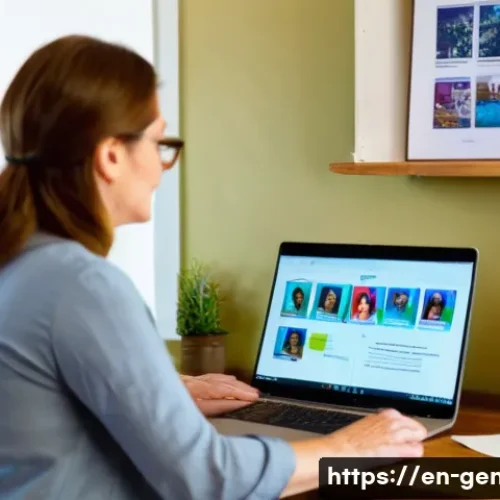
가문 행사와 족보 - **Prompt 1: Unearthing Ancestral Stories - A Cozy Conversation**
    "A warm and intimate scene feat...

You know, there’s a unique thrill that washes over you when you start digging into your family’s past, a feeling I’ve come to cherish deeply. It’s not just about filling in blank spaces on a family tree with names and dates; it’s about piecing together a vibrant, living story, uncovering the incredible lives that paved the way for yours. I remember the first time I found a handwritten letter from my great-grandmother, tucked away in an old box. Her elegant script and vivid descriptions of daily life during the Great Depression brought her to life in a way no birth certificate ever could. This journey is about unearthing those forgotten voices, understanding their struggles, their triumphs, and the sheer resilience that flows through your very veins. It’s about recognizing that you are a direct continuation of a truly magnificent human saga, and frankly, that’s a pretty powerful feeling. When you truly connect with their experiences, you gain a richer perspective on your own identity and purpose, seeing yourself not as an isolated individual but as a vital link in an unbroken chain of generations. It truly makes you appreciate the shoulders you stand upon, giving you a profound sense of belonging and a deeper understanding of who you are.

Starting Your Journey: Where to Begin

Embarking on this adventure can feel a little overwhelming at first, but trust me, it’s easier than you think. My personal journey started with simply asking my grandmother about her parents and grandparents – those casual kitchen table conversations provided invaluable first clues. Don’t underestimate the power of starting with what you already know, however small it seems. Look through old family Bibles, photo albums, or even just old utility bills; sometimes the most unexpected places hold the biggest hints. I’ve found that even fragmented memories or faded inscriptions can open up whole new avenues of research. Think of yourself as a detective, piecing together fragments of a fascinating puzzle. What stories have been passed down? Who are the oldest living relatives you can talk to? These initial steps, though seemingly simple, lay the foundational bricks for your ancestral house, giving you a solid starting point to build upon. It’s about being curious, asking questions, and being open to where the answers lead you.

Beyond the Basics: Diving Deeper into Records

Once you’ve exhausted your immediate family’s knowledge, it’s time to cast your net wider into the fascinating world of historical records. This is where the real detective work begins, and honestly, it’s addicting! Birth, marriage, and death certificates are your bread and butter, providing crucial dates and names. But don’t stop there! Census records are a goldmine, often revealing entire households, occupations, and even literacy levels. I once found my great-great-grandfather listed as a “blacksmith” in a 1900 census, and suddenly, a whole new image of his life formed in my mind. Military records can tell tales of bravery or sacrifice, immigration papers chronicle incredible journeys, and old newspaper archives often contain obituaries or small town gossip that give charming glimpses into daily life. It’s about systematically exploring these archives, often available online, to gradually stitch together the fabric of your family’s past. Each document you uncover isn’t just a piece of paper; it’s a direct link to someone who lived, loved, and left their mark on the world, a mark that ultimately led to you.

Navigating the Digital Family Tree: Essential Online Resources

In this digital age, tracing your family roots has become an unbelievably accessible and often incredibly swift process, thanks to a plethora of online resources. Honestly, when I first started, I was amazed at how much information was just a few clicks away! The sheer volume of digitized records, from census data to old newspaper clippings, is mind-boggling, and it really empowers anyone to become a family historian. It’s like having an entire library of historical documents right at your fingertips, available 24/7. My first big breakthrough came through one of these platforms when I found an entire branch of my family I never knew existed, complete with photos and stories shared by distant cousins. These platforms are constantly growing, adding new records and features, making the search for your ancestors an ongoing adventure. It’s truly a game-changer for anyone wanting to connect with their heritage without needing to travel to dusty archives across the globe. You can connect with others who are also researching the same lines, sharing discoveries and collaborating, which is an amazing feeling of community.

Top Websites for Genealogical Research

When it comes to online genealogy, there are a few heavy hitters that every aspiring family historian should know. Sites like Ancestry.com and MyHeritage are fantastic starting points, offering massive databases of historical records, user-submitted family trees, and powerful search tools. I’ve personally spent countless hours on Ancestry, getting lost in the rabbit hole of old records and making incredible connections. Then there’s FamilySearch.org, which is a treasure trove of free resources, meticulously curated by the Church of Jesus Christ of Latter-day Saints. Their microfilmed records and local family history centers are unparalleled. Don’t forget smaller, specialized sites too – sometimes a local historical society’s website or a niche database can hold that one missing piece. It’s worth exploring several platforms because each one might have unique collections or indexing approaches that could reveal something another missed. These sites often provide hints and suggestions based on your existing tree, guiding you toward potential ancestors and helping you piece together the puzzle with greater efficiency. You really can’t go wrong starting with these foundational platforms.

Leveraging Online Communities and Forums

Beyond the official databases, the internet is brimming with vibrant online communities dedicated to genealogy, and trust me, they are an invaluable resource! Forums, Facebook groups, and even Reddit communities focused on specific surnames, regions, or historical periods can connect you with people who share your research interests. I’ve personally received incredible tips and even direct assistance from complete strangers who happened to be researching the same family lines. It’s like having a team of fellow detectives ready to help you crack a cold case. You can post a brick wall, ask for translation help, or even seek advice on interpreting old documents. These communities are often populated by experienced genealogists who are passionate about helping others. Just remember to be respectful and clear in your questions, and always offer to share your own findings. The collaborative spirit within these groups is truly heartwarming and can provide breakthroughs you might never achieve on your own. It’s a wonderful feeling to know you’re not alone in your quest.

Resource Type Popular Examples Key Benefits for Genealogists
Major Genealogy Platforms Ancestry.com, MyHeritage, FamilySearch.org Vast record collections, user-submitted trees, DNA integration, powerful search tools
DNA Testing Services AncestryDNA, 23andMe, MyHeritage DNA Ethnic origins, genetic matches to relatives, health insights (optional)
Historical Newspaper Archives Newspapers.com, GenealogyBank, Chronicling America (Library of Congress) Obituaries, local news, historical context, social events
Government Archives National Archives (NARA, UK National Archives), State/County Archives Census records, military records, land deeds, immigration records
Specialized Databases FindAGrave, BillionGraves, PERSI (Periodical Source Index) Cemetery records, obituary indexes, specialized periodical articles
Advertisement

The Power of Personal Stories: Interviewing Your Elders

While digital records are absolutely fantastic, there’s a richness and depth you can only truly capture by sitting down with your elder relatives and listening to their stories. I’ve found that these personal interviews are often the most moving and insightful parts of my genealogical journey. There’s just something irreplaceable about hearing a story directly from someone who lived it, seeing the emotion in their eyes, and watching them recall details you wouldn’t find in any document. I still vividly remember my great-aunt recounting tales of her childhood during wartime, painting a picture that was so much more vibrant than any history book could offer. These aren’t just facts; they’re memories, feelings, and perspectives that bring your ancestors to life in a profoundly personal way. It’s an opportunity to connect on a deeper level, not just as a researcher, but as a family member genuinely interested in their unique experiences and the legacy they carry. Don’t procrastinate on this; our elders are living libraries, and their stories are precious and finite. Every conversation is a chance to preserve a piece of living history.

Techniques for Successful Interviews

You might think just showing up and asking questions is enough, but believe me, a little preparation goes a long way in making these interviews truly fruitful. I’ve learned that starting with open-ended questions like, “What was life like when you were growing up?” or “Can you tell me about your parents?” often yields the best results. Bring a recorder (with their permission, of course!) or be ready to take detailed notes, because you’d be surprised how quickly details can slip away. I always bring old photos or family heirlooms; these can be incredible conversation starters, unlocking memories that might have been dormant for years. My grandmother once teared up just looking at an old photograph of her childhood home, and suddenly, a flood of stories about her siblings and daily life came pouring out. Be patient, be a good listener, and don’t interrupt. Let their narrative flow naturally, even if it deviates a little; sometimes the detours lead to the most interesting discoveries. Remember, you’re not just collecting data; you’re engaging in a heartfelt conversation.

Preserving Oral Histories for Future Generations

Once you’ve collected these precious oral histories, the next crucial step is to preserve them so they can benefit future generations. This isn’t just for your research; it’s about safeguarding your family’s unique narrative. After my interviews, I always transcribe the recordings, not just word-for-word, but often adding notes about the speaker’s tone or any significant pauses. Then, I back up everything – the audio files, the transcriptions, and any photos or documents shared – on multiple platforms, like cloud storage and external hard drives. Think about creating a dedicated digital archive for your family. Some people even create small, private podcasts or video documentaries, which I think is a brilliant way to bring these stories to life. The goal is to make these invaluable narratives accessible and durable, ensuring that the voices of your ancestors continue to resonate long after they are gone. Imagine your great-great-grandchildren listening to your grandmother’s voice; that’s a legacy worth creating and protecting.

Decoding Your DNA: What Genetic Genealogy Reveals

Okay, let’s talk about something truly revolutionary in the world of family history: DNA testing. When I first heard about it, I was a bit skeptical, thinking it was just a fad. But honestly, diving into genetic genealogy has been one of the most eye-opening experiences in my entire research journey. It’s like having a biological compass pointing you towards unknown relatives and ancestral homelands. Suddenly, connections that felt impossible through traditional paper trails become clear, and you can confirm or even debunk long-held family myths. I remember the shock and excitement when my DNA results showed a surprising ethnic origin I had no idea about, prompting me to dig deeper into that particular branch of my tree. It’s not just about ethnicity estimates, though those are pretty cool; it’s about connecting with living relatives who share your DNA, sometimes very distant cousins who might hold the key to a brick wall in your research. It’s a scientific overlay to historical research, adding an undeniable layer of proof and often sparking entirely new avenues of exploration. This technology has truly transformed how we understand our past and our place in the global family.

Choosing the Right DNA Test for Your Goals

With so many DNA testing services out there, picking the right one can feel a little daunting. From my experience, it really depends on what you’re hoping to achieve. If you’re primarily interested in finding distant cousins and expanding your family tree, services like AncestryDNA or MyHeritage DNA are fantastic because they have huge user databases, meaning more potential matches. If your focus is more on deep ancestral origins and perhaps even ancient migration patterns, 23andMe offers excellent haplogroup analysis. Some services also offer health reports, but always remember to research privacy policies carefully before opting for those features. I personally started with AncestryDNA because it integrates seamlessly with my existing family tree on their platform, making it easy to cross-reference genetic matches with documented ancestors. Each company has its unique strengths, so doing a bit of homework on what each offers will ensure you get the most out of your investment. Think about what questions you most want answered about your heritage.

Interpreting Your DNA Results and Connecting with Matches

Receiving your DNA results is exciting, but then comes the crucial step of interpreting them. Ethnicity estimates are a fun starting point, but the real power lies in your “DNA matches.” These are people who share segments of DNA with you, indicating a common ancestor. Don’t be shy about reaching out to these matches! I’ve had incredible success connecting with fourth and fifth cousins who were able to share photos, documents, and even stories about our shared ancestors that I had no other way of finding. It’s like discovering new pieces of a puzzle you didn’t even know existed. When contacting a match, always be polite, introduce yourself, and explain your connection. Providing a little context about your research can encourage them to share their own. Sometimes a match might be a “brick wall breaker,” someone whose family tree bridges a gap in yours, finally revealing that elusive ancestor. It takes patience and a bit of detective work, but the potential for discovery through these genetic connections is truly astounding and immensely rewarding.

Advertisement

Crafting Your Family Narrative: Preserving Memories for Future Generations

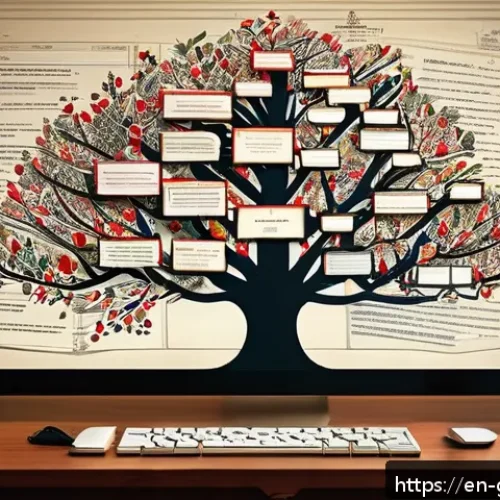
가문 행사와 족보 - **Prompt 2: The Modern Genealogist - Deep Dive into Records**
    "A focused individual, approximate...

After all the diligent digging, interviewing, and decoding, you’ll have amassed a wealth of information about your family’s past. But what do you do with it all? Simply leaving it in scattered files or digital folders would be a real shame. The true magic happens when you weave all these threads together into a cohesive, engaging narrative that future generations can easily access and cherish. I’ve personally found immense satisfaction in transforming my research into something tangible and meaningful. It’s not just about presenting dry facts; it’s about telling a story, bringing those long-gone ancestors to life with emotion and context. Imagine your grandchildren or great-grandchildren discovering a beautifully presented history of their family, complete with stories, photos, and insights that truly make them feel connected to their roots. This isn’t just a historical record; it’s a priceless legacy, a gift of identity and belonging that will continue to give for generations to come. It truly makes all the hard work feel incredibly worthwhile, creating a tangible product of your passion and dedication.

Organizing Your Findings into a Cohesive Story

The first step in crafting your family narrative is to organize your findings in a logical and engaging way. Think about the structure you want: chronological, by family branch, or perhaps focusing on key individuals. I often find a mix works best, using a chronological flow for major events but dedicating sections to particularly interesting ancestors. Start by outlining the main events and key players. What were the most significant challenges they faced? What were their greatest achievements? Don’t be afraid to use storytelling techniques – create characters out of your ancestors, describe the settings they lived in, and highlight their unique personalities. My personal approach involves creating separate chapters for different branches, making it easier for readers to navigate. This is where you can truly let your personality shine, infusing your own voice and perspective into the retelling of your family’s journey. It’s about transforming raw data into a compelling tale that resonates with emotion and personal connection.

Creating Lasting Family Archives and Heirlooms

Beyond the written narrative, there are so many wonderful ways to create lasting family archives and even physical heirlooms. Digitizing old photographs, letters, and documents is absolutely essential for preservation. I spend a lot of time carefully scanning old photos, ensuring they’re properly labeled with dates, names, and locations. But don’t stop there! Consider creating photo books, a custom family history website, or even a professionally bound book. I once compiled a book of my grandparents’ favorite recipes, along with photos and stories about their cooking, and it became an instant family treasure. Think about what your family values and what would be most meaningful to them. Perhaps a framed family tree, a digital video montage of old home movies, or even a physical box filled with replicas of important documents. These tangible connections to the past become powerful tools for intergenerational bonding and ensure that the stories and memories you’ve worked so hard to uncover will be cherished and passed down for countless years to come. It’s a wonderful way to cement your family’s unique identity.

Overcoming Obstacles: Common Hurdles and How to Jump Them

Let’s be real, while genealogy is an incredibly rewarding journey, it’s definitely not without its challenges. You’re going to hit “brick walls” – those frustrating moments where the paper trail seems to vanish, or you can’t find that one elusive record. Trust me, I’ve stared at my computer screen in despair more times than I care to admit, feeling like I’d reached the end of the line. But here’s the thing: these obstacles are just part of the adventure, and overcoming them is incredibly satisfying. It forces you to think creatively, to explore new avenues, and to refine your detective skills. Whether it’s a name change, a missing census record, or a record destroyed by fire, every genealogist faces these moments. The key is to not get discouraged, but to see it as a puzzle that simply requires a different approach. Remember that persistence is your best friend in this hobby; sometimes, the information you need simply hasn’t been digitized yet, or it’s hiding in a record set you hadn’t considered. Every setback is just a temporary detour, not a dead end.

Dealing with Missing or Damaged Records

One of the most common and frustrating obstacles you’ll encounter is missing or damaged records. Fires, floods, war, or simply poor preservation practices have unfortunately claimed countless historical documents. I remember desperately searching for my great-grandparents’ marriage certificate, only to discover the courthouse where it was filed had burned down decades ago. It felt like a punch to the gut! But this is where you need to get creative. If a primary record is missing, look for secondary sources. Did they remarry? Was their marriage mentioned in a local newspaper? Did a child’s birth certificate list their parents’ marriage date? Sometimes, you can piece together information from multiple sources, even if no single document tells the whole story. Talk to local historical societies; they might have obscure collections or even personal family records that survived. Don’t give up hope; often, the information you seek exists in a different form or location than you initially expected. It’s about being tenacious and thinking outside the box when the direct path is blocked.

Navigating Name Changes and Spelling Variations

Another classic genealogy headache is dealing with name changes and spelling variations. Back in the day, record-keepers weren’t always consistent, and immigrants often had their names Americanized at ports of entry, or they simply chose to adapt their names for easier assimilation. I once spent weeks searching for an ancestor named “Schmidt” only to find him listed as “Smith” in later records! It’s enough to make you pull your hair out. When you hit this wall, try searching with phonetic spellings, common alternate spellings, or even just the first name with a wide date range. Be aware of common mistakes made by transcribers of old handwritten documents. Ancestry.com and FamilySearch.org often have “soundex” features that can help, allowing you to search for names that sound similar. Also, consider nicknames or middle names used as primary names. It requires a flexible mindset and a willingness to try many variations, but with patience, you can often bridge these linguistic gaps and finally connect those seemingly disparate records. Every variant you try increases your chances of a breakthrough, so don’t be afraid to experiment with your search terms.

Advertisement

The Unexpected Joys of Discovery: Why This Journey Is So Rewarding

Honestly, if you’ve been on the fence about diving into your family history, let me tell you, the rewards far outweigh any challenges. This isn’t just a hobby; it’s a profound, often emotional, journey of self-discovery. There’s a particular kind of joy that bubbles up when you finally uncover a long-lost ancestor, or connect with a distant cousin, or piece together a story that explains a subtle family trait you’ve always wondered about. It’s not just intellectual satisfaction; it’s a deep sense of belonging and understanding. I’ve felt that overwhelming sense of connection when I’ve held an old photo of an ancestor and realized how much of their spirit or resilience lives on in me. This journey helps you appreciate the sacrifices, the strength, and the sheer persistence of those who came before you. It gives you an anchor in a sometimes-turbulent world, reminding you that you are part of a continuous, enduring lineage. The stories you uncover become part of your own story, enriching your life in ways you never expected, fostering a deep appreciation for the unique heritage that makes you, well, *you*. It truly is a remarkable adventure that connects you to humanity itself.

Connecting with Your Roots: A Sense of Belonging

One of the most powerful outcomes of exploring your family history is the incredible sense of belonging it fosters. In our increasingly globalized and sometimes disconnected world, understanding where you come from provides a unique and grounding anchor. When you trace your lineage back through generations, you realize you’re not just an individual; you’re a vital link in an unbroken chain of human experience. I’ve personally felt a profound sense of rootedness discovering my ancestors’ connection to a particular region or historical event, realizing that their struggles and triumphs directly shaped the world I inhabit today. It puts your own life into perspective, making you feel part of something much larger and more enduring than yourself. This feeling of being truly connected to your past can be incredibly comforting and empowering, giving you a deeper appreciation for your identity and the unique tapestry of experiences that have led to your existence. It’s a feeling that resonates deep within your soul, providing comfort and strength.

The Legacy You Create: Inspiring Future Generations

Finally, and perhaps most importantly, by embarking on this genealogical quest, you’re not just uncovering the past; you’re actively shaping the future. The family history you compile, the stories you preserve, and the connections you make become a priceless legacy for those who will come after you. Imagine the impact your work will have on your children, grandchildren, and beyond. I often think about how much I wish my own ancestors had documented more of their lives, and that motivates me to be the historian for my family. You’re building a foundation of identity, belonging, and shared heritage that will enrich their lives and provide them with a profound understanding of where they come from. You’re giving them the gift of knowing their roots, of understanding the struggles and triumphs that paved the way for their own existence. This journey isn’t just about discovery; it’s about creation – creating a lasting, vibrant testament to your family’s unique story, ensuring their voices echo through time and inspire generations yet to come. It’s one of the most fulfilling acts of love you can undertake for your family.

Wrapping Things Up

And there you have it, my friends! What an incredible journey we’ve taken together, diving deep into the fascinating world of family history. I truly hope this guide has sparked your curiosity and equipped you with the confidence to embark on your own ancestral adventure. Remember, every family has a unique story waiting to be told, and you are the perfect person to uncover it. It’s more than just names and dates; it’s about understanding the rich tapestry of lives that led to yours, and in doing so, gaining a profound sense of self and belonging. So, go forth, explore, connect, and let the incredible stories of your ancestors fill your heart with wonder and pride!

Advertisement

Helpful Information to Keep in Mind

1. Embrace the “Indirect” Approach When Direct Paths Fail: I’ve often found that when a direct record for an ancestor seems completely elusive, looking at the records of their siblings, children, or even neighbors can often provide the crucial clues needed to break through a “brick wall.” For example, a sister’s marriage record might mention your ancestor as a witness, or a child’s birth certificate might list a grandparent’s full name that you couldn’t find elsewhere. Don’t be afraid to cast a wider net and explore peripheral family members; their stories are often intertwined in ways that can illuminate your own direct line. Sometimes, focusing on their associates in community records, like church registers, local societies, or even old business directories, can unexpectedly reveal their presence and give you that golden nugget of information. It’s a bit like being a detective, piecing together seemingly unrelated fragments to form a complete picture, and it’s incredibly satisfying when it works.

2. Understand Historical Context to Interpret Records Accurately: Genealogy isn’t just about finding names; it’s about understanding the lives those names represent, and that means diving into the historical context of their time. Knowing about major events like wars, economic depressions, or even local industrial changes can explain why your ancestors moved, changed occupations, or why certain records might be scarce. For instance, if your family lived in a coal mining town in the late 19th century, understanding the dangers and transient nature of that industry can explain frequent moves or early deaths. Similarly, immigration patterns and naturalization laws of different eras will drastically affect the types of records you find and how they are structured. Without this context, you’re just looking at data; with it, you’re truly connecting with their human experience, allowing you to interpret documents with a much deeper and more empathetic understanding. It helps you see beyond the dry facts and truly grasp the realities they faced.

3. Prioritize Digital Organization and Backup from Day One: Trust me on this one – as soon as you start accumulating documents, photos, and notes, you need a robust digital organization system. I learned this the hard way with a chaotic folder full of unsorted scans! Create a consistent naming convention for files (e.g., “Surname_GivenName_Event_Date_Location”) and immediately back up everything to at least two different places – ideally cloud storage and an external hard drive. Think about how you’ll easily share this information later, too. Services like Google Drive or Dropbox can be invaluable for accessible storage, and dedicated genealogy software can help link all your digital assets to your family tree. Getting this right from the beginning will save you countless hours of frustration down the line and ensure that your invaluable research is protected and easily retrievable for yourself and future generations. It’s an investment of time that pays dividends.

4. Connect with Local Historical Societies and Libraries: While online resources are phenomenal, never underestimate the power of local historical societies, public libraries, and specialized archives. These institutions often hold unique collections that haven’t been digitized yet – think local newspapers, yearbooks, church records, cemetery records, family Bibles, or even personal papers donated by local families. The volunteers and librarians there are often incredibly knowledgeable about local families and history, and they can offer insights and direct you to resources you might never find online. I’ve had some of my most exciting breakthroughs chatting with a local librarian who knew the area like the back of her hand! Sometimes, simply a different perspective from someone immersed in that specific locale’s history can open up an entirely new line of inquiry. It’s worth a visit or at least a polite email, especially when you hit a frustrating research snag.

5. Be Prepared for Unexpected Discoveries (Both Good and Challenging): As you delve into your family’s past, you’re bound to uncover some surprises. Most will be wonderful – a hero ancestor, a beautiful love story, or an unexpected connection to a historical event. But be mentally prepared for the possibility of less comfortable revelations too, such as ancestors who made difficult choices, family secrets, or even criminal records. Genealogy is about uncovering the truth, not sanitizing the past. Approach every discovery with an open mind and a sense of empathy for the times your ancestors lived in. Remember, their lives, with all their complexities and imperfections, are part of the rich tapestry that makes you who you are. These challenging discoveries can sometimes lead to the most profound understandings and a deeper appreciation for the resilience of your lineage. It’s all part of the human story, after all.

Key Takeaways for Your Ancestral Journey

Embarking on your family history quest is a deeply personal and incredibly rewarding endeavor. Start with what you know, then leverage the vast world of online records and DNA insights. Don’t forget the invaluable stories held by your elder relatives, which add irreplaceable depth to your research. Organize your findings meticulously, and remember that persistence is key when facing those inevitable “brick walls.” Ultimately, this journey isn’t just about uncovering the past; it’s about forging a powerful connection to your roots, understanding your identity, and creating a lasting legacy for future generations to cherish.

Frequently Asked Questions (FAQ) 📖

Q: I’m genuinely intrigued by genealogy, but honestly, it feels like such a massive undertaking! Where on Earth do I even begin, and how do I avoid getting completely swamped?

A: Oh, believe me, I totally get that feeling! When I first started my own family history journey, it felt like trying to drink from a firehose – so much information, so many potential rabbit holes!
But trust me, it’s much simpler than you think to get started, and incredibly rewarding. My absolute top tip is to begin with what you already know, right in your own home.
Start by chatting with your living relatives, especially the older generations. Their memories are an irreplaceable treasure trove of stories, names, and even hints about where to look next.
I remember spending hours with my grandmother, looking through old photo albums, and just listening to her anecdotes about her parents and grandparents – it felt less like research and more like a cozy history lesson!
After that, gather any physical documents you have – old birth certificates, marriage licenses, death records, even letters or family Bibles. These are your foundational pieces.
Once you have a good grasp of the recent generations, you can then effortlessly transition to the online world. Websites like Ancestry.com and FamilySearch.org are absolute powerhouses.
They’ve got billions of records and tools that make digging through historical data surprisingly accessible. Just take it one generation at a time, and you’ll be amazed at how quickly your family tree starts to blossom!

Q: Okay, so I could trace my family tree, but honestly, what’s the real point? Is it just about collecting names and dates, or is there a deeper, more personal benefit to all this effort?

A: That’s such a brilliant question, and one I think many of us ponder before truly diving in! Initially, I thought it might just be about listing names, almost like a historical puzzle.
But what I quickly discovered is that it’s so much more profound than that. For me, it was like unlocking a hidden chapter of my own story. You see, genealogy isn’t just about who came before you; it’s about understanding why you are who you are today.
Discovering my ancestors’ struggles and triumphs gave me a whole new perspective on my own resilience and character. Imagine finding out your great-great-grandparents emigrated to a new country with nothing but hope – suddenly, your own sense of adventure makes a little more sense, doesn’t it?
Beyond that incredible personal insight, there are practical benefits too. You can uncover fascinating cultural heritage, understand migration patterns that shaped your family, and even gain insights into potential family health trends.
But perhaps the most beautiful aspect is the profound sense of connection and belonging it provides. In a world that often feels disconnected, knowing you’re part of a continuous, incredible lineage is incredibly grounding.
It’s a journey of self-discovery through the lives of others, and it truly enriches your sense of identity.

Q: I keep hearing about these DN

A: tests for ancestry – are they really worth the money, and how accurate can they truly be? It sounds a bit like magic, or maybe even a gimmick! A3: Oh, I totally understand the skepticism, especially with something that sounds almost too good to be true!
But let me tell you, from personal experience, those DNA tests are absolutely a game-changer, and definitely worth considering if you’re serious about digging into your roots.
I was genuinely shocked (in a good way!) when my results came back. It wasn’t just about my main ethnic heritage, which I generally knew, but the unexpected smaller percentages from regions I had no idea about!
It added so much color to my family’s story. How do they work? Essentially, you provide a saliva sample, and the lab analyzes your DNA to compare it to reference populations around the world.
This gives you an “ethnicity estimate” breakdown – revealing percentages from various geographical regions. Beyond that, and arguably even more exciting, these tests can connect you with living relatives you never knew existed!
One of my best friends actually found a third cousin she never knew existed through a DNA match on AncestryDNA, and now they’re practically inseparable.
As for accuracy, it’s important to remember they provide estimates. These are incredibly sophisticated and generally reliable, but they’re not always exact percentages, and sometimes the regions can be quite broad.
Companies like AncestryDNA, 23andMe, and MyHeritage DNA are constantly refining their algorithms and expanding their reference databases, making the results more precise over time.
While not magic, they certainly provide an incredible, scientifically-backed snapshot of your genetic heritage and can open up entirely new avenues in your genealogical quest!

Advertisement