Unlock Family Fortune: SK Clan Secrets You Can’t Afford to Miss

webmaster

**

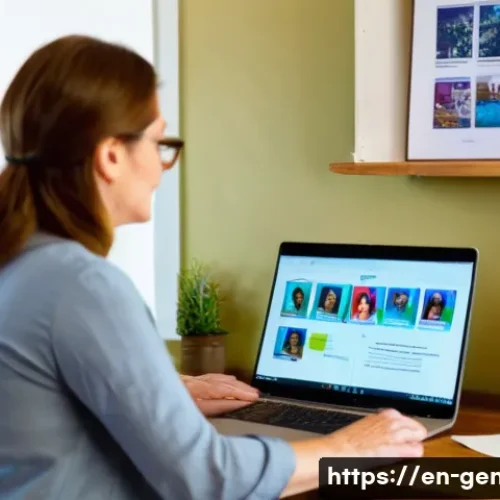
"A woman, fully clothed in modest attire, sits at a table interviewing her great-aunt in a sunny living room filled with family photos, appropriate content, safe for work, natural pose, perfect anatomy, well-formed hands, professional photography, family-friendly"

**

Family history, the intricate tapestry of our ancestry, often holds more stories than we can imagine. For SK families, tracing lineage back through generations can be a fascinating journey into the past, revealing unexpected connections and illuminating the origins of cherished traditions.

I’ve always been intrigued by the idea of uncovering my roots, and delving into the SK family’s genealogical records seems like a treasure hunt of historical proportions.

It’s more than just names and dates; it’s about understanding the values, struggles, and triumphs that shaped the people who came before us. The modern tools and resources available now make this exploration more accessible than ever.

Personally, I’m excited to explore this topic. Let’s delve into the details in the article below.

Delving into the Past: Unearthing SK Family HistoryUnlocking the secrets hidden within the SK family’s lineage is like embarking on a historical adventure.

Each generation contributes a layer of stories, values, and traditions that shape the family’s identity. I’ve found that modern tools and resources can make this exploration more accessible and rewarding than ever before.

It’s about connecting to the past and understanding the struggles and triumphs that define who we are today.

Exploring Genealogical Records

unlock - 이미지 1

Tracing your family tree involves poring over records like birth certificates, marriage licenses, census data, and immigration documents. I remember when my grandmother first started digging into our family’s past.

She spent hours at the local library, sifting through old books and microfilms. Now, it’s easier than ever with online databases like Ancestry.com and FamilySearch.

These resources provide a wealth of information that can help you piece together your family’s story. It’s like being a detective, uncovering clues that lead you further down the path of discovery.

Interviewing Relatives

One of the most rewarding aspects of family history research is talking to relatives. They often hold invaluable stories and memories that can’t be found in any official document.

I sat down with my great-aunt Mildred last year, and she told me tales of our family’s migration from Ireland in the 1800s. She shared anecdotes about the challenges they faced and the sacrifices they made.

These stories bring your family history to life and give you a deeper understanding of who you are. It’s a personal connection that can’t be replicated any other way.

The Significance of Family NamesFamily names carry a lot of weight. They connect us to our ancestors and provide clues about our heritage. The SK family name, for instance, might have originated from a particular region, occupation, or historical event.

I recall discovering that my mother’s maiden name, “Smith,” was one of the most common surnames in England, derived from the occupation of blacksmithing.

This simple fact opened up a whole new avenue of research for me. Understanding the meaning and origin of your family name can deepen your appreciation for your roots.

Understanding Surnames

Surnames often have interesting origins and meanings. They can be derived from occupations, places, personal characteristics, or even nicknames. For example, the name “Baker” likely originated from someone who baked bread, while “Hill” might refer to someone who lived near a hill.

Researching the etymology of your surname can provide valuable insights into your family’s history and cultural background. It’s like unraveling a mystery, with each clue leading you closer to the truth.

Variations and Spellings

Family names can change over time due to various factors such as immigration, language barriers, and clerical errors. I once encountered a record where my ancestor’s name was spelled differently than I expected.

It turned out that the immigration officer had misspelled it when they arrived in the United States. These variations can make tracing your family history challenging, but they also add to the richness and complexity of your family’s story.

Be prepared to encounter different spellings and variations as you delve deeper into your research. Preserving Oral Traditions and StoriesOral traditions and stories are a vital part of family history.

They are often passed down through generations, providing insights into the lives and experiences of your ancestors. I remember my grandfather telling stories about his childhood during the Great Depression.

These stories painted a vivid picture of hardship and resilience. Preserving these stories is essential for keeping your family’s history alive.

Recording Interviews

One of the best ways to preserve oral traditions is to record interviews with family members. Use a tape recorder or video camera to capture their stories and memories.

Ask them open-ended questions about their lives, experiences, and family history. Encourage them to share anecdotes, photos, and documents that provide additional context.

These interviews will become valuable resources for future generations.

Creating a Family Archive

Gather all of your family history research, including documents, photos, interviews, and stories, and create a family archive. Organize the materials in a way that makes sense to you and your family.

Consider digitizing the materials so that they can be easily shared and preserved. A family archive will serve as a treasure trove of information for future generations to learn about their roots.

Leveraging Technology for Genealogical ResearchTechnology has revolutionized the way we research family history. Online databases, DNA testing, and genealogy software have made it easier than ever to trace your lineage.

I was amazed when I first used DNA testing to discover long-lost cousins in other countries. It opened up a whole new world of possibilities for connecting with my family’s past.

Online Databases

Online databases like Ancestry.com, FamilySearch, and MyHeritage provide access to a vast collection of genealogical records. These databases include birth certificates, marriage licenses, census data, immigration records, and more.

You can search these databases by name, date, and location to find information about your ancestors. Be sure to use multiple databases to maximize your chances of finding relevant records.

DNA Testing

DNA testing can provide valuable insights into your family’s origins and connections. DNA testing companies like 23andMe and AncestryDNA analyze your DNA to identify your ethnic background and potential relatives.

You can use this information to trace your ancestry back hundreds or even thousands of years. DNA testing can also help you find long-lost cousins and connect with distant relatives.

The Ethical Considerations of Family History ResearchAs you delve into your family history, it’s important to be mindful of ethical considerations. Respect the privacy of living individuals and avoid sharing sensitive information without their consent.

Be honest and accurate in your research, and avoid making assumptions or drawing conclusions without sufficient evidence. I once discovered a rumor about a scandalous affair in my family’s past.

While it was tempting to investigate further, I decided to respect the privacy of the individuals involved and refrain from sharing the rumor with others.

Respecting Privacy

Respect the privacy of living individuals when researching family history. Avoid sharing sensitive information about them without their consent. This includes information about their health, finances, and personal relationships.

Be mindful of the potential impact your research could have on their lives.

Accuracy and Verification

Strive for accuracy and verification in your family history research. Don’t rely solely on hearsay or unverified sources. Cross-reference information from multiple sources to ensure its accuracy.

Be cautious about accepting information at face value and be willing to question and challenge assumptions.

Resource Type Description Example
Online Databases Websites with genealogical records Ancestry.com, FamilySearch
Government Records Official documents like birth certificates National Archives, County Courthouses
DNA Testing Services that analyze your DNA for ancestry insights 23andMe, MyHeritage DNA
Genealogy Software Programs to organize and track family history data Legacy Family Tree, RootsMagic
Libraries and Archives Repositories with historical documents and books Library of Congress, Local Historical Societies

Navigating Challenges and RoadblocksFamily history research is not always easy. You may encounter challenges such as missing records, conflicting information, and dead ends.

I once spent months trying to track down a particular ancestor, only to discover that the records had been destroyed in a fire. Don’t get discouraged if you encounter these obstacles.

Be persistent, resourceful, and willing to explore different avenues of research.

Missing Records

Missing records can be a frustrating challenge in family history research. Records may have been lost, destroyed, or never created in the first place.

If you encounter missing records, try searching alternative sources. Look for similar records in different locations or time periods. Contact local historical societies or archives for assistance.

Conflicting Information

Conflicting information can arise when different sources provide contradictory details about your ancestors. In such cases, evaluate the reliability and credibility of each source.

Consider the biases and perspectives of the authors or creators. Look for corroborating evidence from other sources. Be willing to revise your conclusions as new information becomes available.

Sharing and Celebrating Your Family HistoryOnce you’ve uncovered your family history, share it with others. Create a family tree, write a family history book, or host a family reunion.

Celebrate your family’s story and honor the legacy of your ancestors. I organized a family reunion last year to share my research with my relatives. It was a heartwarming experience to see everyone connect with their shared history.

Creating a Family Tree

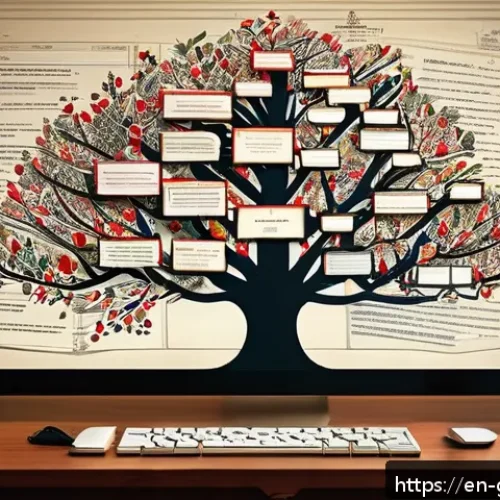
A family tree is a visual representation of your ancestry. It shows the relationships between family members and provides a framework for organizing your research.

You can create a family tree using genealogy software, online tools, or even a simple handwritten chart. Share your family tree with relatives and encourage them to contribute their own information.

Writing a Family History Book

Writing a family history book is a great way to document and share your research. Include stories, photos, and documents that bring your family’s history to life.

Consider self-publishing your book or sharing it online. A family history book will become a treasured heirloom for future generations. Delving into the SK family history has been a truly enriching journey.

It’s about connecting to our roots, understanding our ancestors, and preserving their stories for future generations. Each discovery, each interview, each record examined, weaves a richer tapestry of who we are.

The adventure never truly ends; it’s a continuous exploration, a living legacy.

In Conclusion

Unearthing your family’s past is more than just a hobby; it’s a profound connection to your heritage. It’s about discovering the strength, resilience, and stories that have shaped you. Embrace the journey, connect with your relatives, and preserve your family’s legacy for generations to come. Happy researching!

Helpful Tips and Tricks

1. Start with what you know: Begin by documenting information about your immediate family, such as birth dates, marriage dates, and places of residence.

2. Utilize free resources: Websites like FamilySearch offer access to a vast collection of genealogical records at no cost.

3. Join genealogy societies: Local genealogy societies can provide valuable resources, advice, and networking opportunities.

4. Take advantage of library resources: Libraries often have extensive collections of local history books, maps, and genealogical resources.

5. Document everything: Keep detailed notes of your research process, including sources, dates, and any assumptions you make.

Key Takeaways

• Genealogical research involves exploring various records, interviewing relatives, and understanding family names.

• Oral traditions and stories are vital for preserving family history, so record interviews and create a family archive.

• Technology has revolutionized genealogical research through online databases and DNA testing.

• Ethical considerations are crucial, including respecting privacy and ensuring accuracy in research.

• Navigating challenges like missing records and conflicting information requires persistence and resourcefulness.

• Sharing and celebrating your family history through family trees, books, and reunions enriches family connections.

Frequently Asked Questions (FAQ) 📖

Q: Why should I even bother looking into my family history? I mean, what’s the point?

A: Honestly, I used to think the same thing. “Who cares about great-great-grandma Mildred?” But then a friend started researching her family and discovered they were early settlers in her town.
It totally changed how she saw herself and her place in the community. Think of it as a way to understand where you come from. Maybe you’ll find a cool story, a hidden talent, or just a deeper connection to your family.
Plus, it’s a great conversation starter at Thanksgiving!

Q: What resources are available for tracing my family history? I’m not sure where to start.

A: Oh man, there are SO many! When I helped my uncle with his, we started with Ancestry.com. They have tons of records and it’s pretty user-friendly.
Also, don’t underestimate the power of family stories! Talk to your older relatives. They might have old photos, documents, or memories that can fill in the gaps.
Local libraries and historical societies are goldmines too. They often have local records and genealogy experts who can point you in the right direction.
Think of it as a detective game – put on your Sherlock Holmes hat!

Q: How reliable is the information I find online about my family history? I’m worried about finding inaccurate or misleading information.

A: That’s a valid concern, definitely. I’ve heard some horror stories about people finding completely fabricated family trees online. The key is to always double-check your sources.
Don’t just take information at face value. Cross-reference data from different websites, verify dates and locations with official records (like birth certificates or census data), and be wary of information that seems too good to be true.
And remember, it’s okay to have gaps in your knowledge. The journey is just as important as the destination!

📚 References

Wikipedia Encyclopedia