Ace Your Exams: Unlocking the Secrets of Past Papers You Can’t Afford to Miss

webmaster

**

A senior woman, fully clothed in a modest floral dress, sits at a wooden table in a bright, sunlit room. She's meticulously examining a very old, handwritten document with a magnifying glass. Around her are stacks of genealogy books, maps, and organized binders. Safe for work, appropriate content, perfect anatomy, natural pose, professional, family-friendly, high-quality photo.

**

Ever feel like you’re lost in a maze when it comes to ancestry and family history? I used to think tracing my roots was just a dusty, old-fashioned hobby, until I started digging into my own family’s past.

It was more than just names and dates – it was a journey through history, filled with fascinating stories and unexpected connections. I even discovered a rogue pirate on my mother’s side!

Genealogy courses can be incredibly valuable, offering structured guidance and resources to navigate the complexities of historical records. And with the rise of AI-powered genealogy tools, exploring your family tree is becoming even more accessible and insightful.

Let’s delve into what these courses offer. Let’s uncover accurate information below!

Unlocking Hidden Family Stories Through Genealogy Courses

ace - 이미지 1

Genealogy courses are a fantastic way to really understand the methods and resources available for piecing together your family history. It’s not just about learning to use online databases; it’s about understanding historical context, deciphering old documents, and interpreting the clues that your ancestors have left behind.

I remember feeling completely overwhelmed when I first started. I jumped online, found a bunch of names, but I had no idea if they were even the right people!

A course helped me understand how to verify information and avoid those kinds of frustrating dead ends.

Deciphering Historical Records: A Skill Worth Mastering

One of the most valuable things I learned in a genealogy course was how to actually read old records. Believe me, trying to make sense of 18th-century handwriting is like trying to learn a new language!

Courses teach you paleography, which is the study of old handwriting. You’ll learn how to recognize common letter forms and abbreviations that were used in the past.

This skill opens up a whole new world of primary source documents, like wills, deeds, and letters. I even managed to find my great-great-grandmother’s marriage certificate, and reading her actual signature gave me chills!

Beyond Names and Dates: Understanding Social History

Genealogy is more than just collecting names and dates; it’s about understanding the lives your ancestors lived within the context of their time. A good genealogy course will delve into social history, teaching you about the customs, traditions, and major events that shaped their lives.

For example, learning about the impact of the Industrial Revolution helped me understand why my family moved from rural England to the United States in the late 1800s.

Utilizing Online Resources and Databases Effectively

While digging through dusty archives is exciting, the internet offers a wealth of genealogical resources. Genealogy courses will teach you how to navigate these online databases effectively, from Ancestry.com to FamilySearch, and how to critically evaluate the information you find.

You’ll also learn about specialized databases for specific regions or ethnic groups. Plus, you’ll understand how to use search operators to refine your searches and get the most relevant results.

Building Your Family Tree: Structure and Accuracy

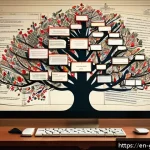
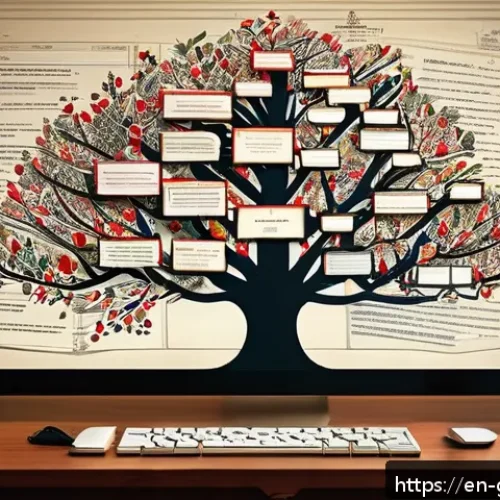
Simply collecting names and dates doesn’t paint a full picture. Learning how to accurately structure your family tree is crucial. Genealogy courses teach you different methods for organizing your findings and documenting your sources, ensuring that your research is accurate and verifiable.

Genealogy Software: Taming the Data Beast

There are a number of genealogy software programs that can help you organize your research, create charts and reports, and even share your findings with family members.

A genealogy course can provide an overview of the different software options available, helping you choose the one that best suits your needs. I personally use Family Tree Maker, but I know others swear by RootsMagic or Legacy Family Tree.

It’s all about finding the tool that clicks with your research style.

Citing Sources: The Backbone of Credible Genealogy

In genealogy, proper citation is everything. A course will hammer home the importance of meticulously documenting your sources, whether it’s a census record, a birth certificate, or a family photograph.

You’ll learn how to cite different types of sources accurately, using established genealogical citation styles. This not only ensures the credibility of your research but also makes it easier for others to verify your findings.

Avoiding Common Pitfalls: Identifying and Correcting Errors

Genealogical research is prone to errors, from transcription mistakes to misinterpretations of historical records. A course will teach you how to identify and correct common errors, such as confusing individuals with similar names or misdating events.

You’ll also learn how to critically evaluate the information you find and avoid perpetuating inaccuracies.

Ethical Considerations in Genealogy: Respecting Privacy and Avoiding Harm

Genealogy is not just about digging up the past; it’s about dealing with sensitive information and respecting the privacy of both living and deceased individuals.

A good genealogy course will address ethical considerations, such as obtaining consent before sharing information about living relatives and avoiding the dissemination of potentially harmful or embarrassing information.

Privacy Concerns and Data Protection: Navigating Modern Challenges

In today’s digital age, privacy is a paramount concern. Genealogy courses should address the challenges of protecting sensitive information online, such as birth dates, addresses, and Social Security numbers.

You’ll learn about privacy settings on genealogy websites and the importance of being mindful of the information you share. It’s a balancing act between sharing your research and protecting the privacy of your family members.

DNA Testing Ethics: Consent, Privacy, and Interpretation

DNA testing has revolutionized genealogy, but it also raises ethical questions about consent, privacy, and the interpretation of results. Courses should discuss the importance of obtaining informed consent before testing DNA, particularly for minors or individuals with diminished capacity.

You’ll also learn about the potential implications of DNA results, such as unexpected ethnicity estimates or the discovery of previously unknown relatives.

For example, I recently discovered a half-sibling my grandfather never knew about. It was a sensitive situation that required careful communication and respect for everyone involved.

Leveraging DNA Testing for Genealogical Breakthroughs

DNA testing has become an incredibly powerful tool for genealogists, helping to break down brick walls and uncover new branches of your family tree. But interpreting DNA results can be complex, and a genealogy course can provide the guidance you need to make sense of your genetic data.

Understanding Autosomal DNA: Ethnicity Estimates and Matching Relatives

Autosomal DNA tests, such as those offered by AncestryDNA and 23andMe, can provide insights into your ethnic origins and help you find living relatives who share your DNA.

A course will teach you how to interpret your ethnicity estimates, understand the limitations of these estimates, and use your DNA matches to identify common ancestors.

Exploring Y-DNA and mtDNA: Tracing Paternal and Maternal Lines

Y-DNA and mitochondrial DNA (mtDNA) tests can trace your direct paternal and maternal lines, respectively. These tests are particularly useful for researching surname origins and tracking the migrations of your ancestors.

A genealogy course will explain the science behind Y-DNA and mtDNA testing and how to use the results to supplement your traditional genealogical research.

Combining DNA and Traditional Research: A Powerful Synergy

The real power of DNA testing lies in its ability to complement traditional genealogical research. A course will teach you how to combine DNA evidence with documentary evidence to confirm your findings, resolve conflicting information, and uncover new leads.

It’s like having a detective on your side, helping you piece together the puzzle of your family history.

Preserving and Sharing Your Family History

Once you’ve compiled your family history, it’s important to preserve it for future generations and share it with your loved ones. Genealogy courses can provide guidance on the best ways to document, organize, and disseminate your research.

Creating Family History Books and Websites: Telling Your Story

One of the most rewarding ways to share your family history is to create a family history book or website. A course will teach you how to organize your information, write engaging narratives, and incorporate photographs and other visual elements.

You’ll also learn about different publishing options, from self-publishing to working with a professional publisher.

Archiving and Preservation Techniques: Ensuring Longevity

Preserving your family history for future generations requires careful attention to archiving and preservation techniques. A genealogy course will provide practical tips for storing your documents, photographs, and other artifacts to prevent damage from light, moisture, and pests.

You’ll also learn about digitization and backup strategies to ensure that your research is accessible for years to come.

Sharing Your Research with Family Members: Connecting Generations

Ultimately, genealogy is about connecting with your family and sharing your discoveries with them. A course will offer suggestions for engaging family members in your research, hosting family reunions, and creating online forums for sharing information and photos.

It’s about building bridges between generations and keeping your family history alive.

Advanced Genealogy Techniques and Resources

As you delve deeper into genealogy, you may want to explore more advanced techniques and resources. A genealogy course can introduce you to specialized research methods, such as land record analysis, probate research, and military record analysis.

Navigating Archives and Libraries: Accessing Primary Sources

Visiting archives and libraries can provide access to a wealth of primary source materials, such as original documents, manuscripts, and photographs. A genealogy course will teach you how to navigate these institutions effectively, locate relevant records, and interpret the information you find.

Working with Professional Genealogists: When to Seek Expert Help

Sometimes, you may encounter roadblocks that require the expertise of a professional genealogist. A course can help you determine when it’s appropriate to seek professional assistance, how to find a qualified genealogist, and how to work effectively with them.

Genealogical Societies and Organizations: Networking and Collaboration

Joining a genealogical society or organization can provide opportunities for networking, collaboration, and continuing education. A course will introduce you to different genealogical societies and organizations and the benefits of membership.

Here’s a quick guide to some common genealogical resources:

Resource Type Description Example
Online Databases Websites with digitized records and family trees. Ancestry.com, FamilySearch, MyHeritage
Government Records Birth, marriage, and death certificates; census records; military records. National Archives, State Archives, County Clerk’s Office
Church Records Baptism, marriage, and burial records. Local Churches, Diocesan Archives
Land Records Deeds, mortgages, and property tax records. County Recorder’s Office
Probate Records Wills, estate inventories, and guardianship records. County Probate Court
Newspapers Obituaries, marriage announcements, and local news articles. Newspaper Archives, Library of Congress

Future Trends in Genealogy: AI and Beyond

The field of genealogy is constantly evolving, with new technologies and resources emerging all the time. One of the most exciting developments is the use of artificial intelligence (AI) to automate tasks and analyze data.

AI-Powered Genealogy Tools: Automating Tasks and Analyzing Data

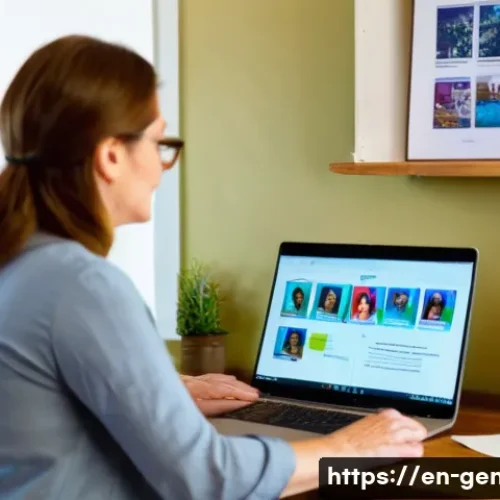
AI-powered genealogy tools can automate tasks such as transcribing handwritten documents, identifying potential DNA matches, and building family trees.

A course will explore the capabilities of these tools and their potential impact on genealogical research.

The Future of DNA Testing: Advanced Analysis and Personalized Medicine

DNA testing is becoming increasingly sophisticated, with new tests being developed to analyze more aspects of your genome. A genealogy course will discuss the potential of these tests for genealogical research and their implications for personalized medicine.

Staying Up-to-Date with Genealogical Research: Lifelong Learning

Genealogy is a lifelong learning journey, and it’s important to stay up-to-date with the latest trends and resources. A course will provide tips for continuing your genealogical education, such as attending conferences, reading journals, and participating in online forums.

By taking a genealogy course, you can unlock the secrets of your family history and connect with your ancestors in a meaningful way. It’s an investment in yourself, your family, and your understanding of the past.

Unearthing your roots through genealogy isn’t just about filling in the blanks on a family tree; it’s about giving voice to the stories of those who came before us.

I can tell you from personal experience, the journey is full of surprises and unexpected connections, offering a richer understanding of who you are and where you come from.

In Conclusion

Embarking on the genealogical journey is akin to opening a treasure chest filled with untold stories. With the resources and insights gained from genealogy courses, you’re not just researching names and dates; you’re weaving a rich tapestry of your family’s past. So, dive in, explore, and let the stories of your ancestors come to life!

Handy Information

1. Start with What You Know: Begin documenting what you already know about your immediate family. Interview relatives and gather existing documents like birth certificates, marriage licenses, and family photos. I wish I had recorded my grandmother’s stories earlier; her firsthand accounts were invaluable!

2. Explore Online Databases: Leverage online resources like Ancestry.com, FamilySearch, and MyHeritage to access vast collections of digitized records. Remember to critically evaluate the information you find and always verify sources.

3. Visit Local Archives and Libraries: Don’t underestimate the value of local archives, libraries, and historical societies. These institutions often hold unique records that aren’t available online. Plus, librarians and archivists can provide valuable guidance.

4. Consider DNA Testing: DNA testing can provide valuable clues about your ethnic origins and help you connect with distant relatives. Consider taking an autosomal DNA test from a reputable provider like AncestryDNA or 23andMe.

5. Join a Genealogical Society: Connect with other genealogy enthusiasts by joining a local or national genealogical society. These organizations offer educational programs, research assistance, and networking opportunities. I’ve learned so much from fellow researchers at my local society!

Key Takeaways

* Genealogy courses provide essential skills for researching your family history, from deciphering old records to utilizing online resources. * Building an accurate family tree requires careful documentation, proper citation, and a critical approach to avoiding errors.

* Ethical considerations, such as privacy and data protection, are paramount in genealogical research. * DNA testing can be a powerful tool for uncovering new leads, but it should be combined with traditional research methods for the best results.

* Preserving and sharing your family history ensures that your research will be enjoyed by future generations.

Frequently Asked Questions (FAQ) 📖

Q: Are genealogy courses only for serious history buffs?

A: Not at all! While a love for history certainly helps, genealogy courses are designed for anyone curious about their family’s past. I know folks who signed up just wanting to solve a family mystery or find out where their quirky traits come from.
Many courses cater to beginners, offering step-by-step guidance to make the process less daunting. Think of it like learning a new hobby – patience and a bit of curiosity are all you really need!

Q: With so much information online, why bother with a genealogy course?

A: That’s a fair question! While the internet is a treasure trove, it can also be overwhelming and misleading. Genealogy courses give you the skills to sift through that information, evaluate sources critically, and avoid common pitfalls.
Imagine trying to build a house without a blueprint – that’s what genealogy research without proper training can feel like. Plus, a good course often includes access to subscription databases and expert advice that you wouldn’t easily find on your own.

Q: How can

A: I genealogy tools assist in family history research? A3: AI is revolutionizing genealogy in some pretty cool ways! These tools can automatically transcribe old documents, translate foreign language records, and even suggest potential family connections based on vast amounts of data.
I’ve seen AI analyze old photos and identify relatives I never knew existed! However, it’s crucial to remember that AI is still a tool – it’s not a replacement for human judgment and critical thinking.
It’s best used as a supplement to your research, helping you to uncover clues and save time, but always verify the information yourself.